How Ancient Humans Saw in the Dark Without Electricity
About this video
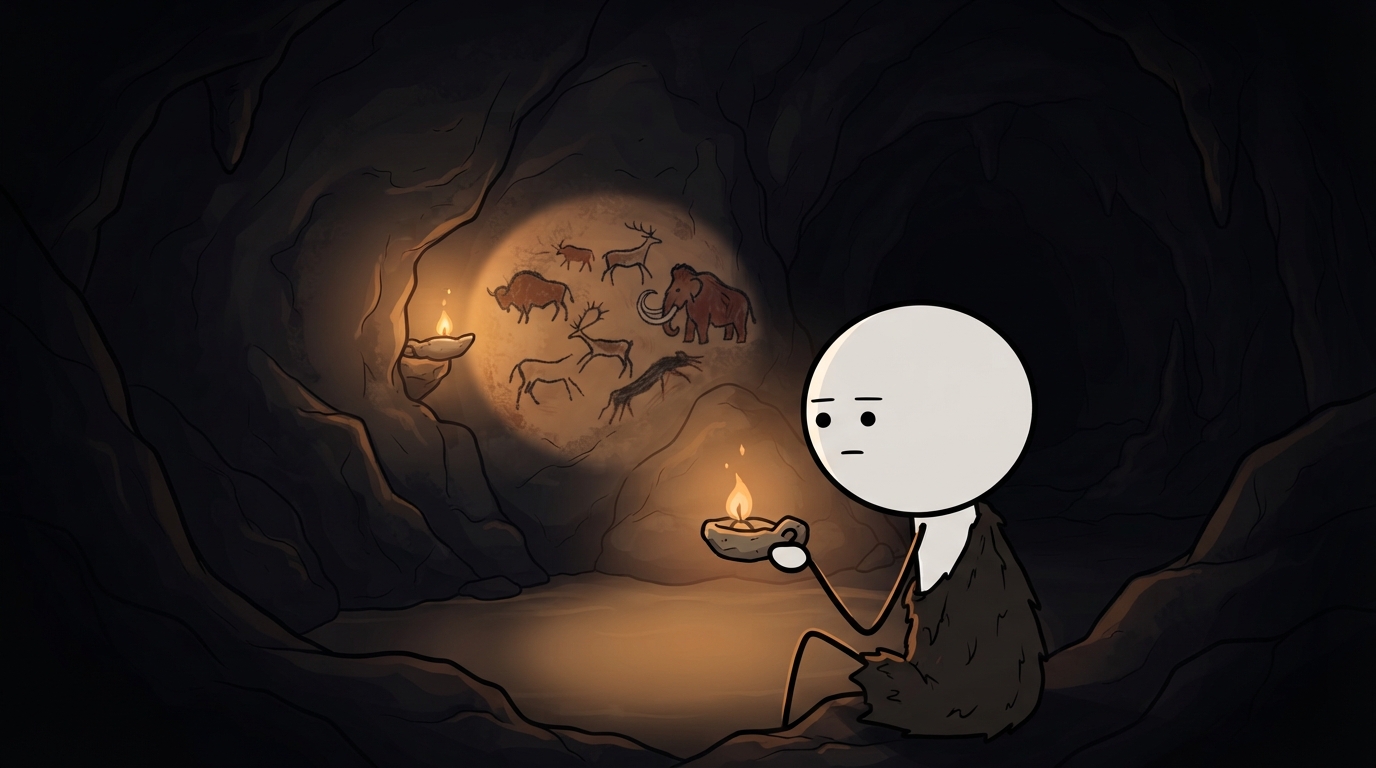
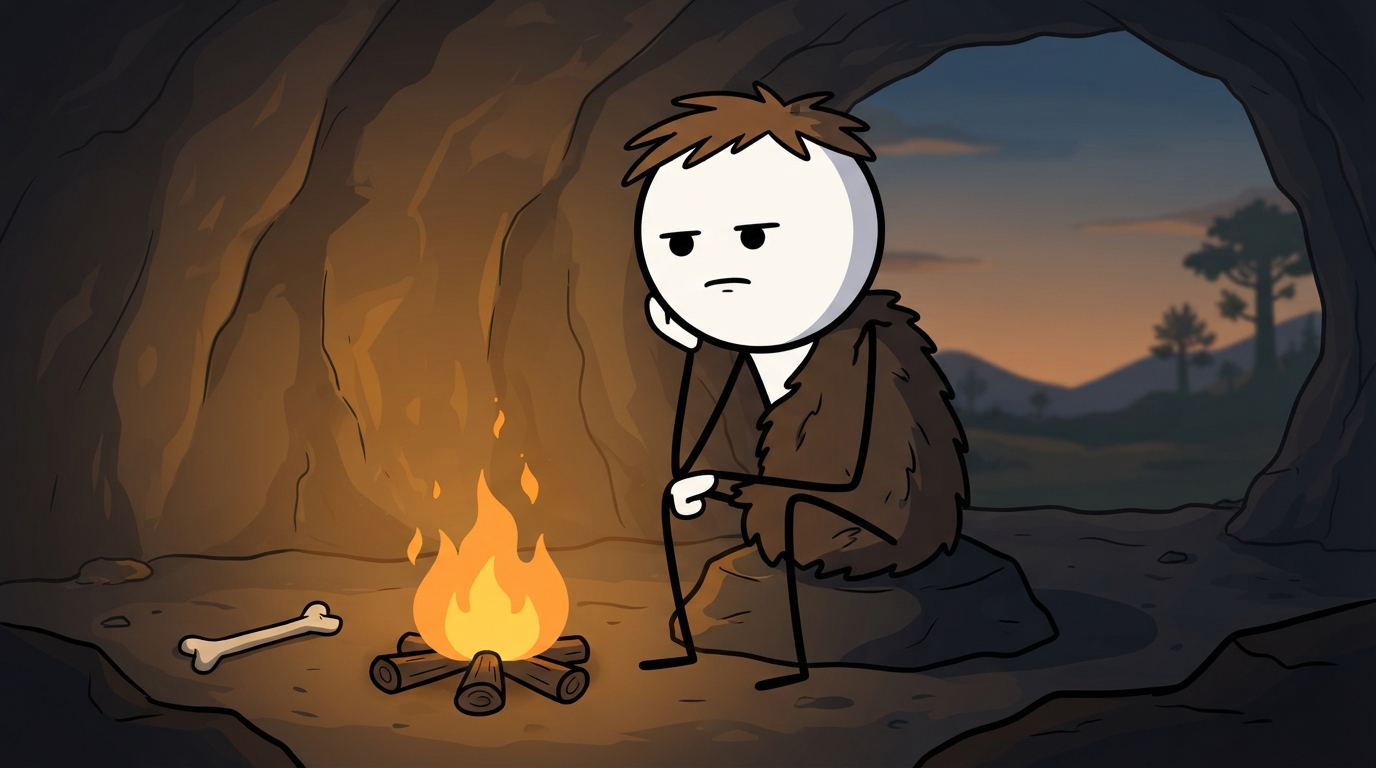
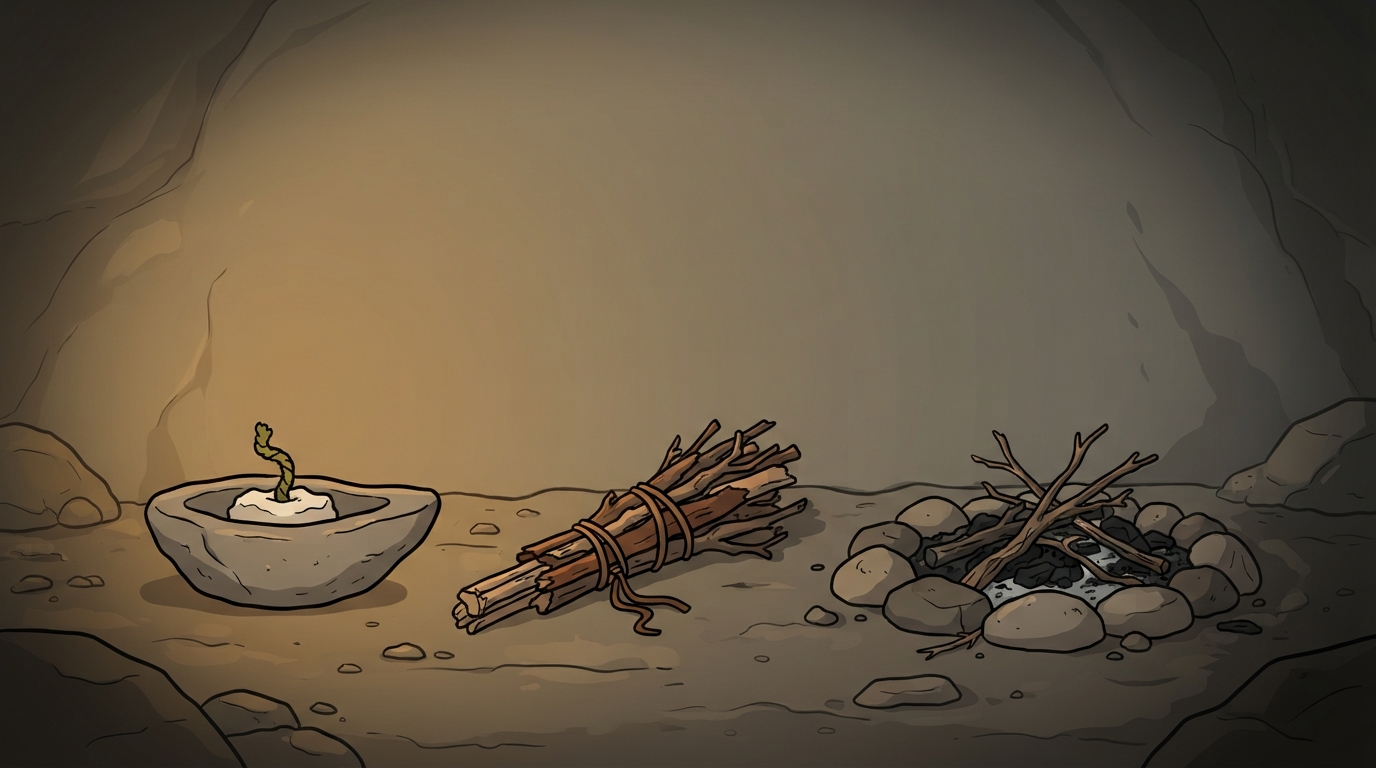
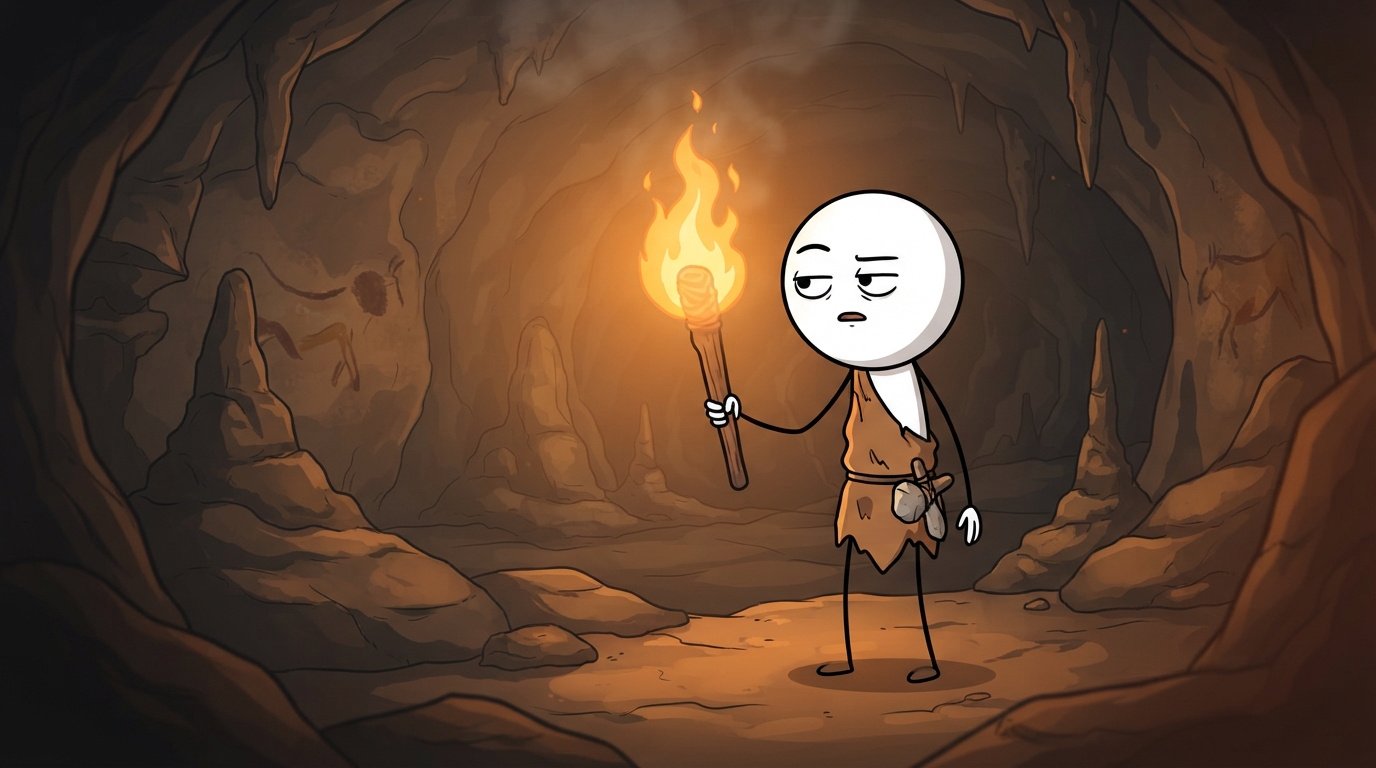
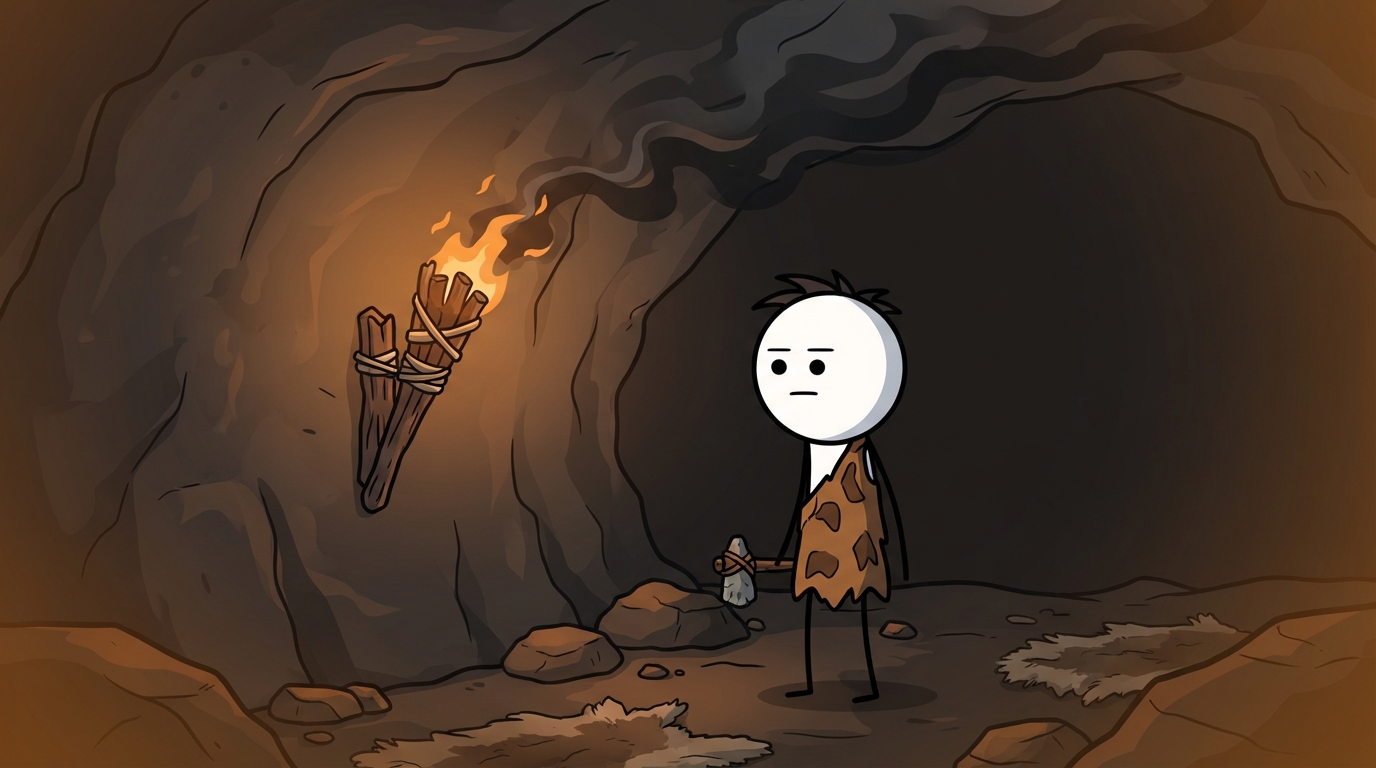
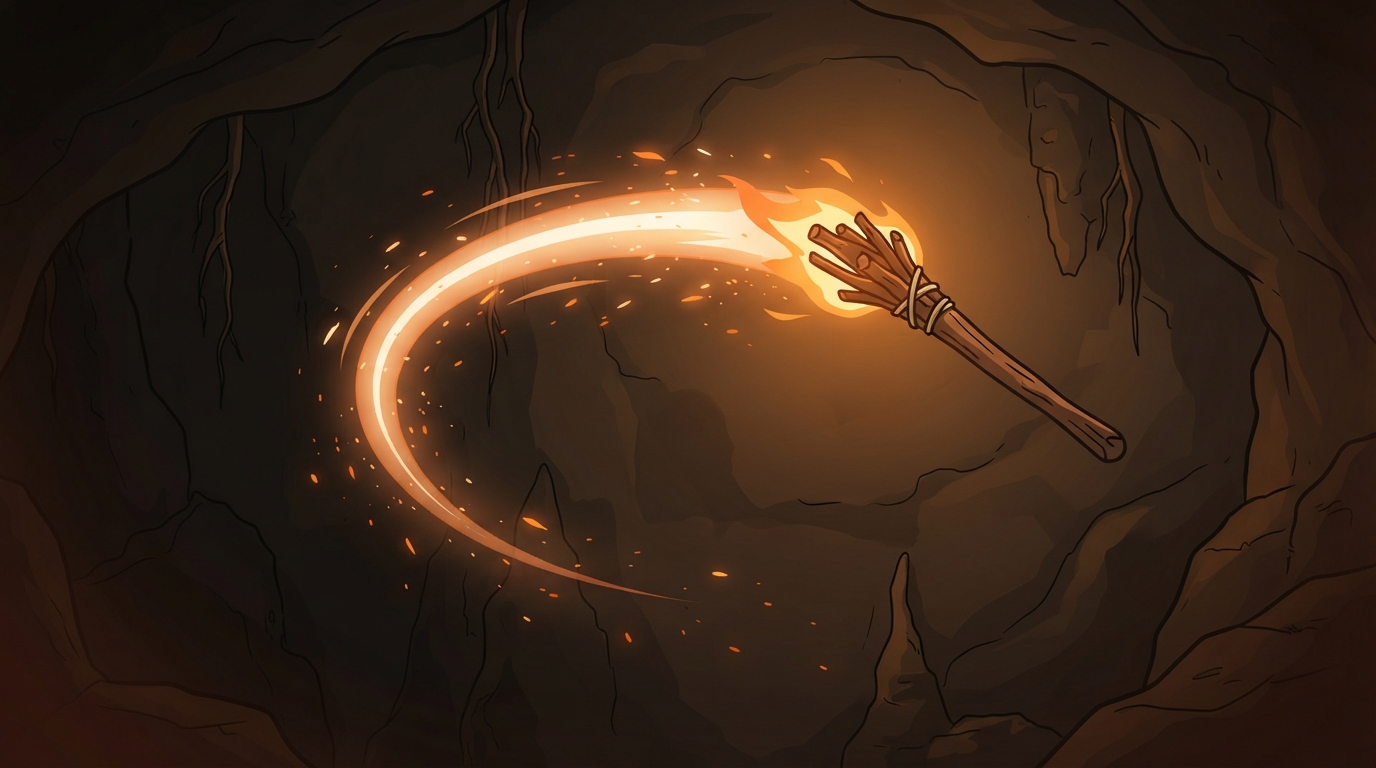
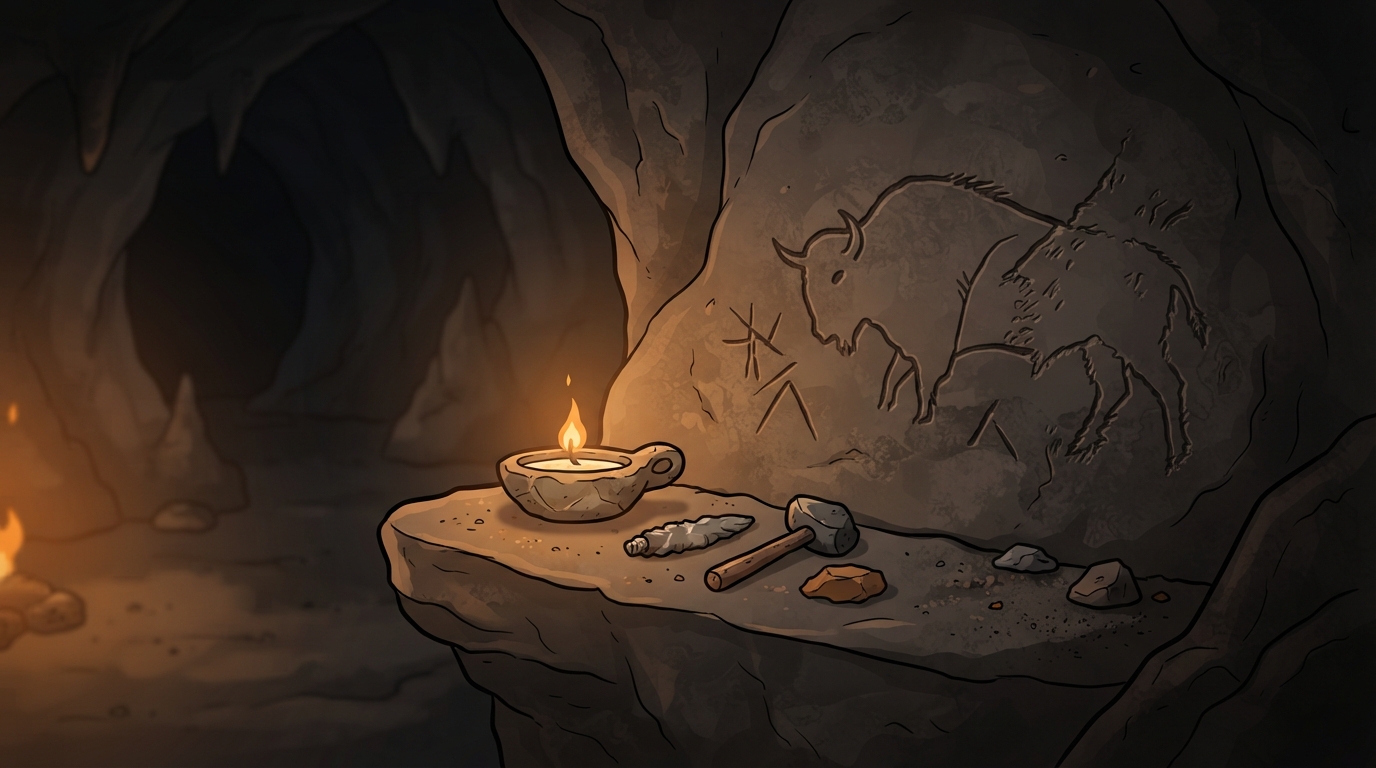
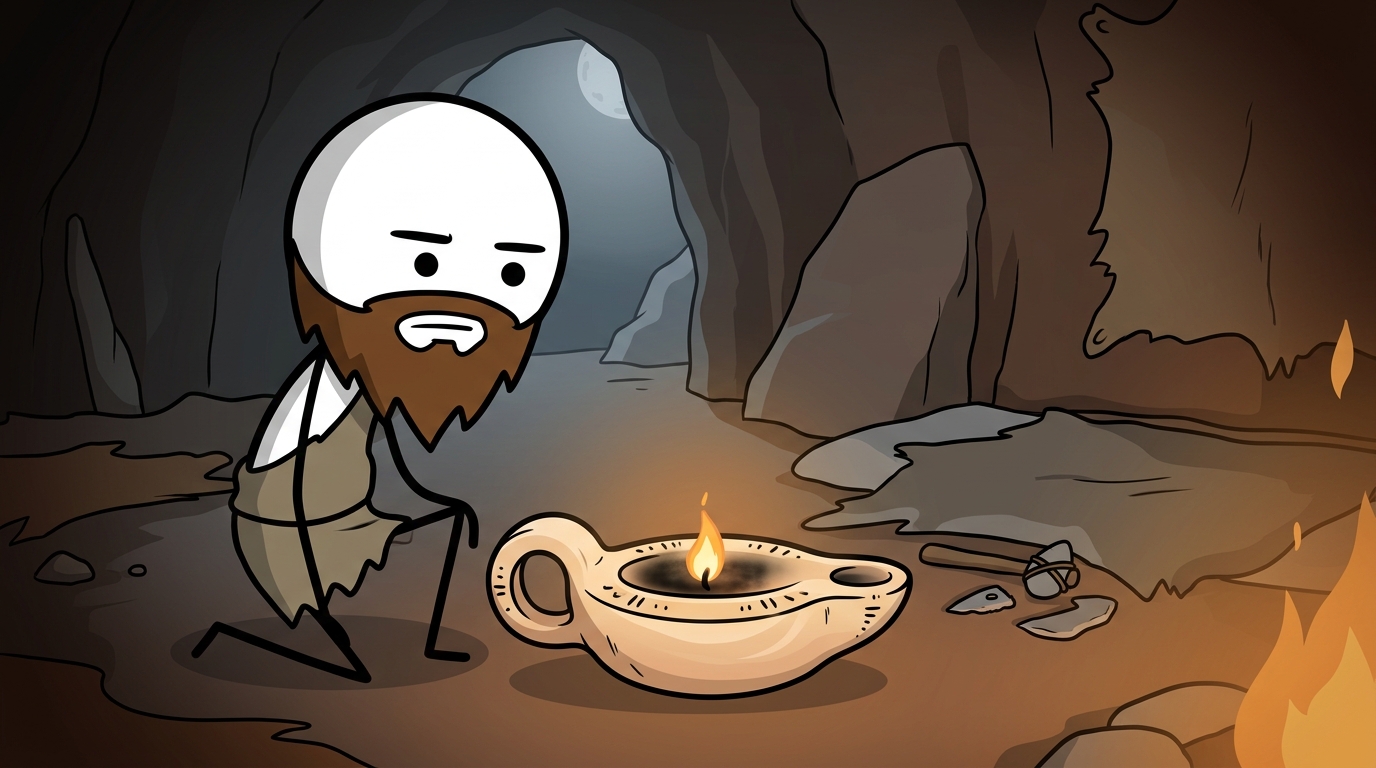
How did ancient humans see in the dark without electricity? In this video, we explore the ingenious methods they used, from torches and stone lamps to the flicker of firelight in deep caves. Discover the science and the myths behind prehistoric illumination. Chapters: 00:00 A kilometre from daylight 00:12 Three questions 00:24 The myth 00:36 They rebuilt it and measured it 00:48 Torches: about forty minutes 01:00 They need to be waved 01:12 The smoke decides everything 01:24 The stone lamp 01:36 Three metres of light 01:48 Torches travel, lamps work 02:00 A lamp somebody carved 02:12 Most were just stones 02:24 They built scaffolding 02:36 The fireplace 02:48 The traces are still there 03:00 You never see the whole wall 03:12 The flicker was part of it 03:24 How far to push it 03:36 Children were down there 03:48 Nothing casual about it 04:00 They were burning food 04:12 Somebody planned the supply 04:24 Organised, not impulsive 04:36 Only the sealed places survived 04:48 Not where the art was 05:00 What we cannot know 05:12 How, not why 05:24 What it does settle 05:36 The actual conditions 05:48 Every reproduction is a lie
From the video
More from [ARCHIVED] Life Before Jobs

How Ancient Humans Made Bread Without Yeast

How Ancient Humans Made Rope Without Machines

How Ancient Humans Made Rope Without Machines
How Ancient Humans Made Rope Without Machines

How Ancient Humans Counted Without Numbers

How Ancient Humans Counted Without Numbers

How Ancient Humans Counted Without Numbers