The Pope Who Sold the Same Relic 50 Times
About this video
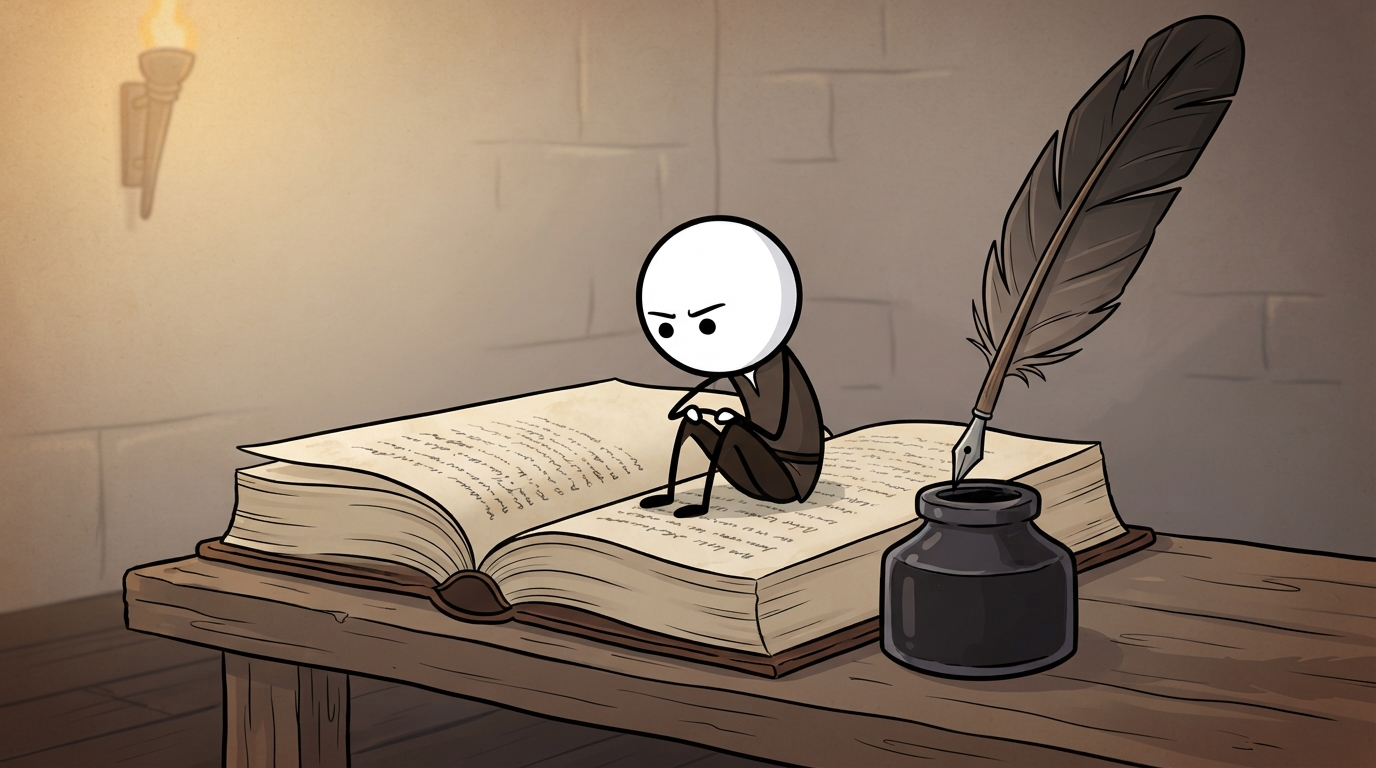
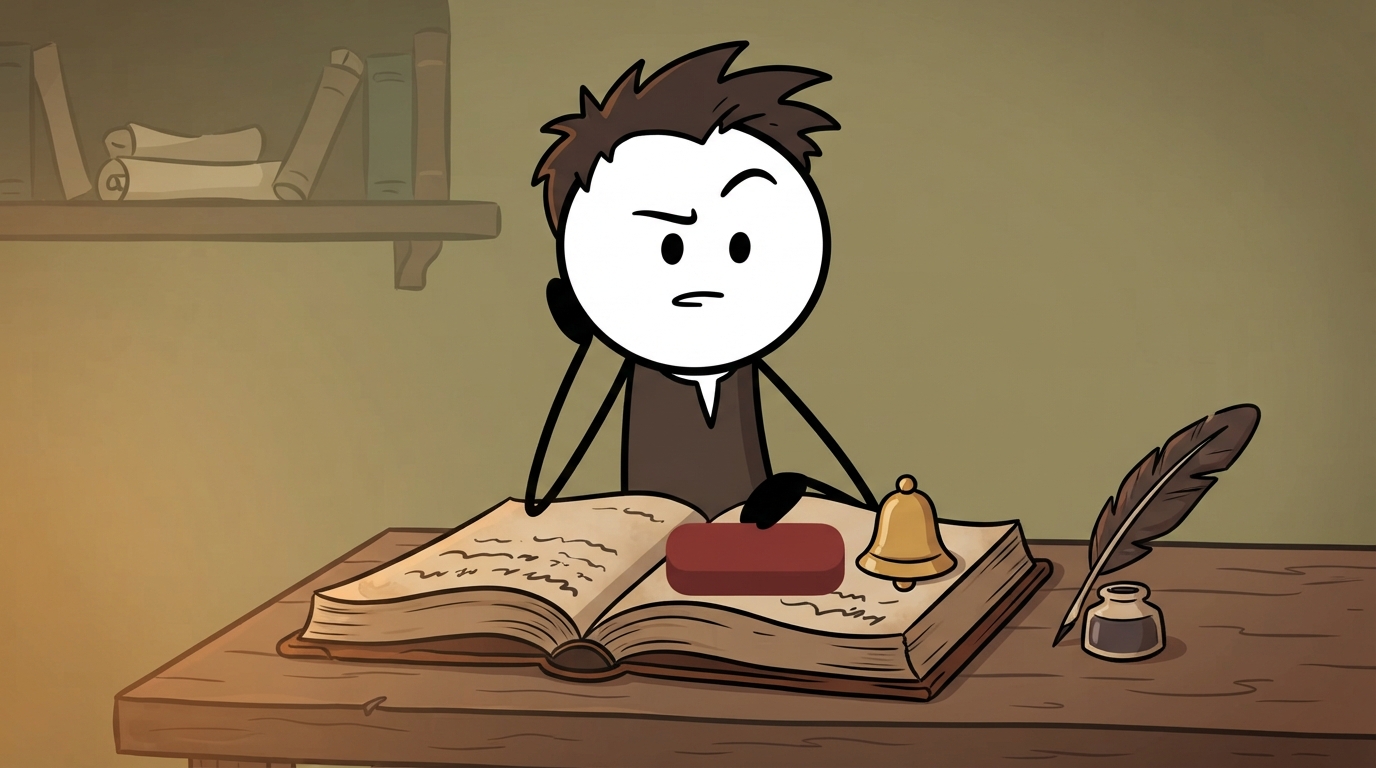
Discover how a medieval pope turned holy relics into a lucrative scam, selling the same fake bone fragments to churches across Europe. Learn the shocking story of religious corruption and the relic trade that gripped Christendom. Chapters: 00:00 The Relic Scam 00:12 Relic Demand Explodes 00:24 Relics = power 00:36 Relic Sales Banned 00:46 The relic trade booms 00:58 Claimed vs. real relics 01:10 The Pope's Enemies 01:22 The Wolf in Shepherd's Robes 01:34 The same bone, a hundred buyers 01:46 Relic sales banned, yet scam thrives 01:58 Chaucer's Pardoner: public scam 02:10 Why did it take so long? 02:22 Lateran Council's failed relic ban 02:34 The Trial of a Dead Pope 02:46 The First Sale 02:58 The Relic Economy 03:10 The Verification Problem 03:22 The True Cross Splinters 03:34 The Pardoner's Tale 03:46 The Papal Factory 03:58 The Economic Impact 04:10 The Political Weapon 04:22 The Colonna Revenge 04:34 The Legacy of Fraud 04:46 Relics as Currency 04:58 Forged Certificates 05:10 Saints Dismembered 05:22 The Scam's Long Shadow 05:34 The Echo of Boniface's Bones Sources & further reading: • Catholic Encyclopedia: Pope Boniface VIII — https://www.newadvent.org/cathen/02662a.htm • John Calvin, 'Traité des reliques' (1543) — A Protestant critique of relic veneration, famously noting the abundance of True Cross fragments. • Fourth Lateran Council, Canon 62 (1215) — Official decree prohibiting the veneration of relics without papal approval and condemning relic sales. • Colonna Manifesto (1297) — A document issued by the Colonna family accusing Boniface VIII of simony and other crimes, including relic fraud. • Eusebius, 'Life of Constantine' (c. 337) — Early account of Helena's discovery of the True Cross. • Geoffrey Chaucer, 'The Canterbury Tales' (c. 1400) — The Pardoner's Tale satirizes the sale of fake relics, indicating public skepticism.
From the video
More from Quilled History

Eleven Months to Produce an Heir
The Murder That Cost Him a Crown
The Joke That Cost a King a Kingdom

The Bear the Polish Army Enlisted as a Private | Monte Cassino
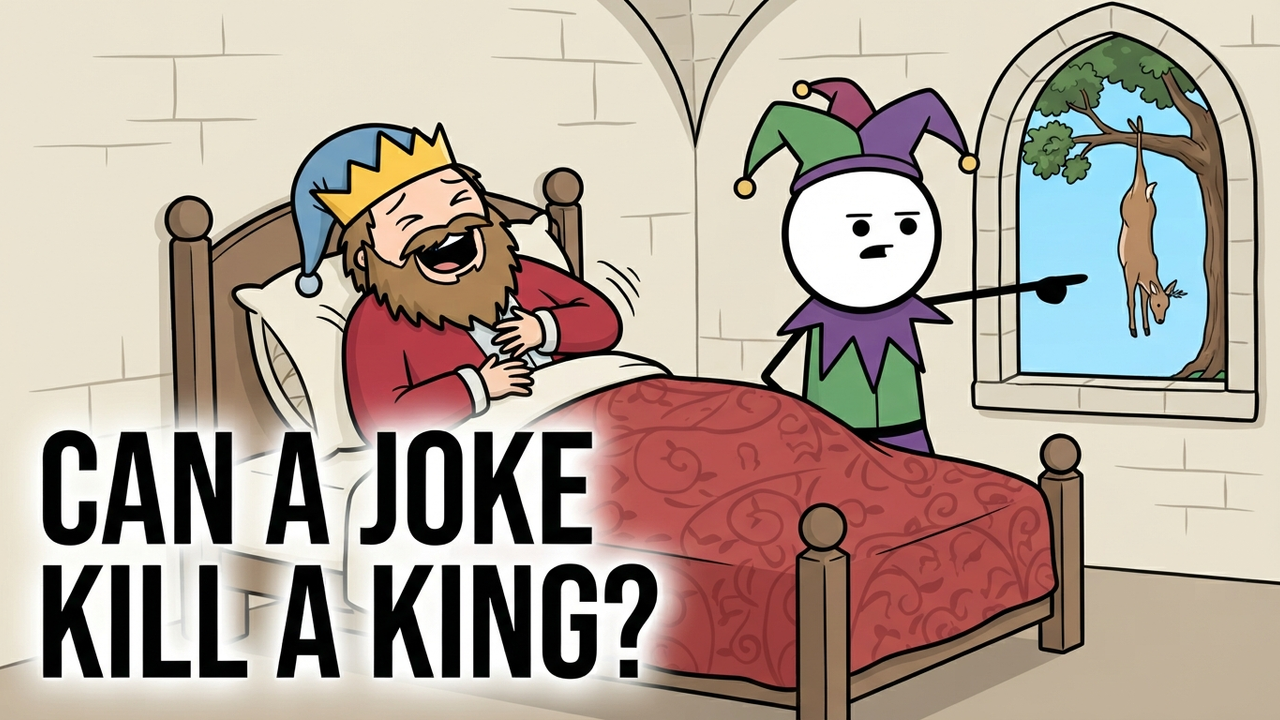
The Joke That Emptied the Throne of Aragon
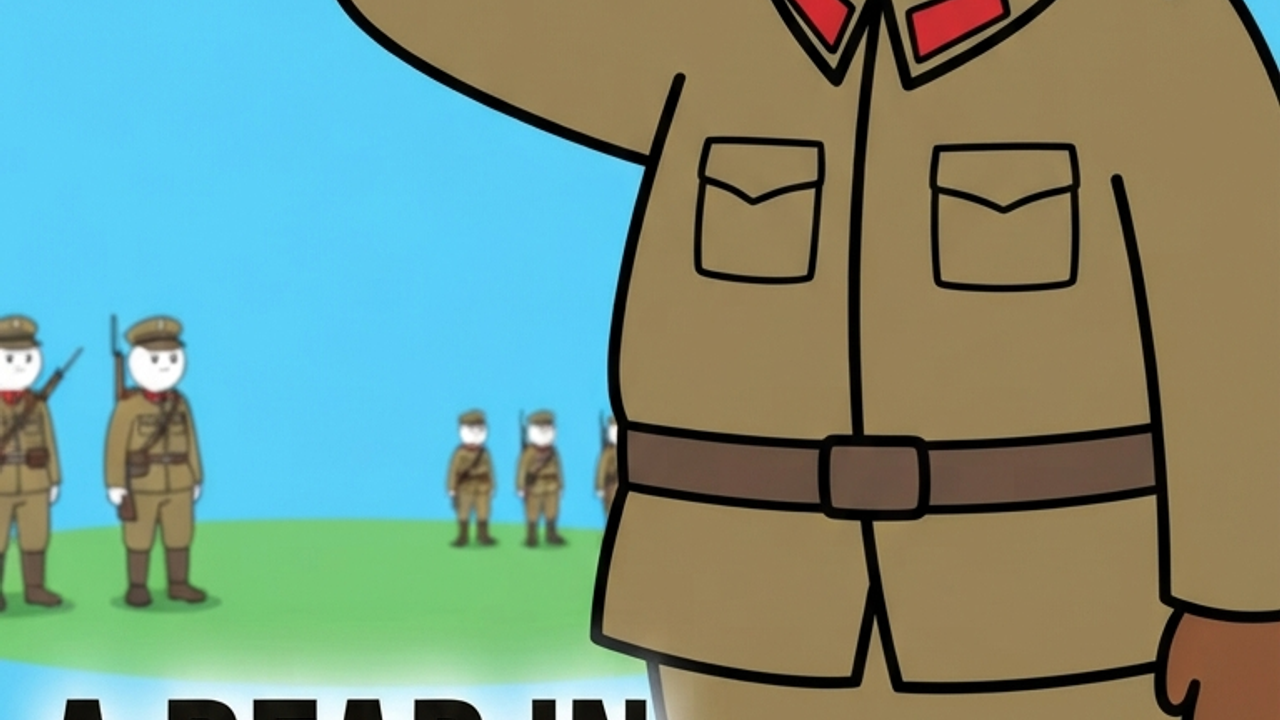
The Bear the Polish Army Enlisted as a Private

The Bear the Polish Army Enlisted as a Private