Can Your Smartwatch EXPOSE Your Bank PIN?
About this video
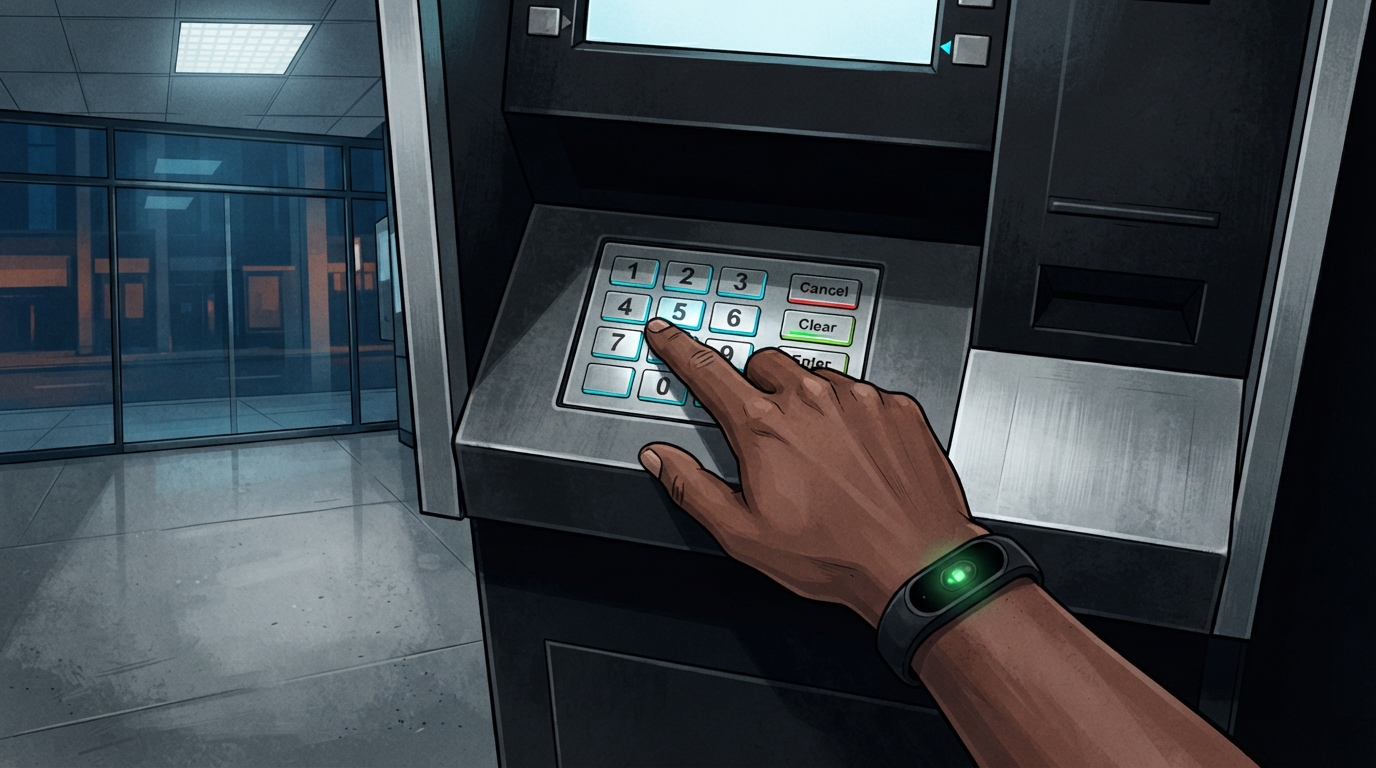
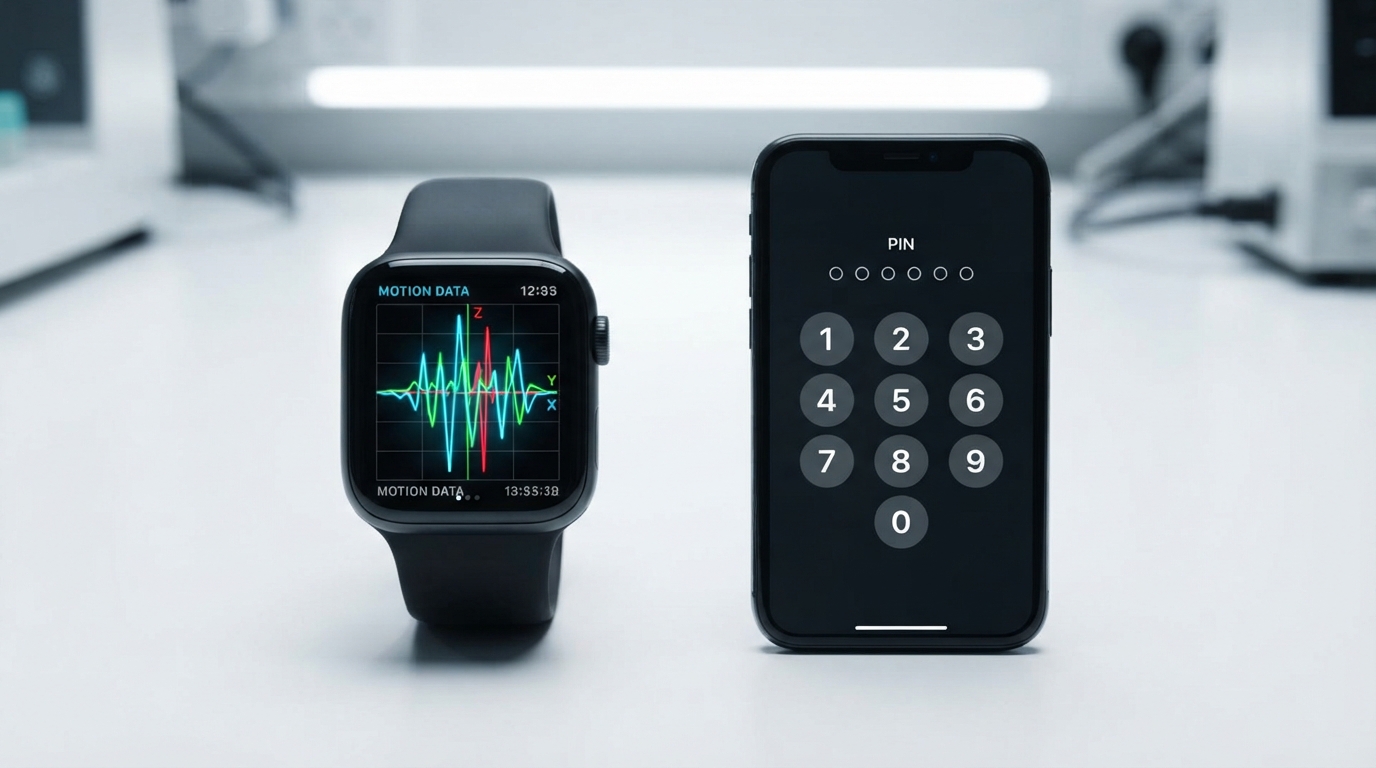
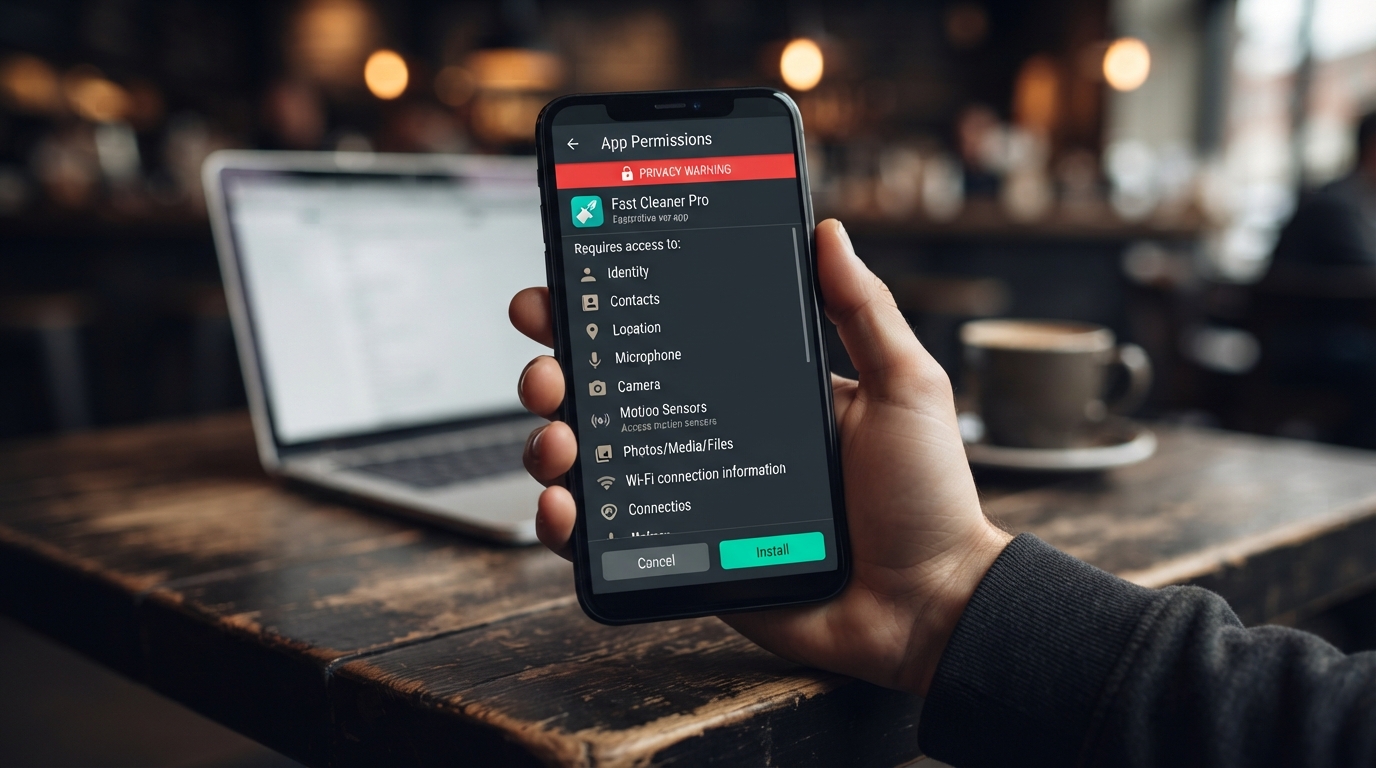
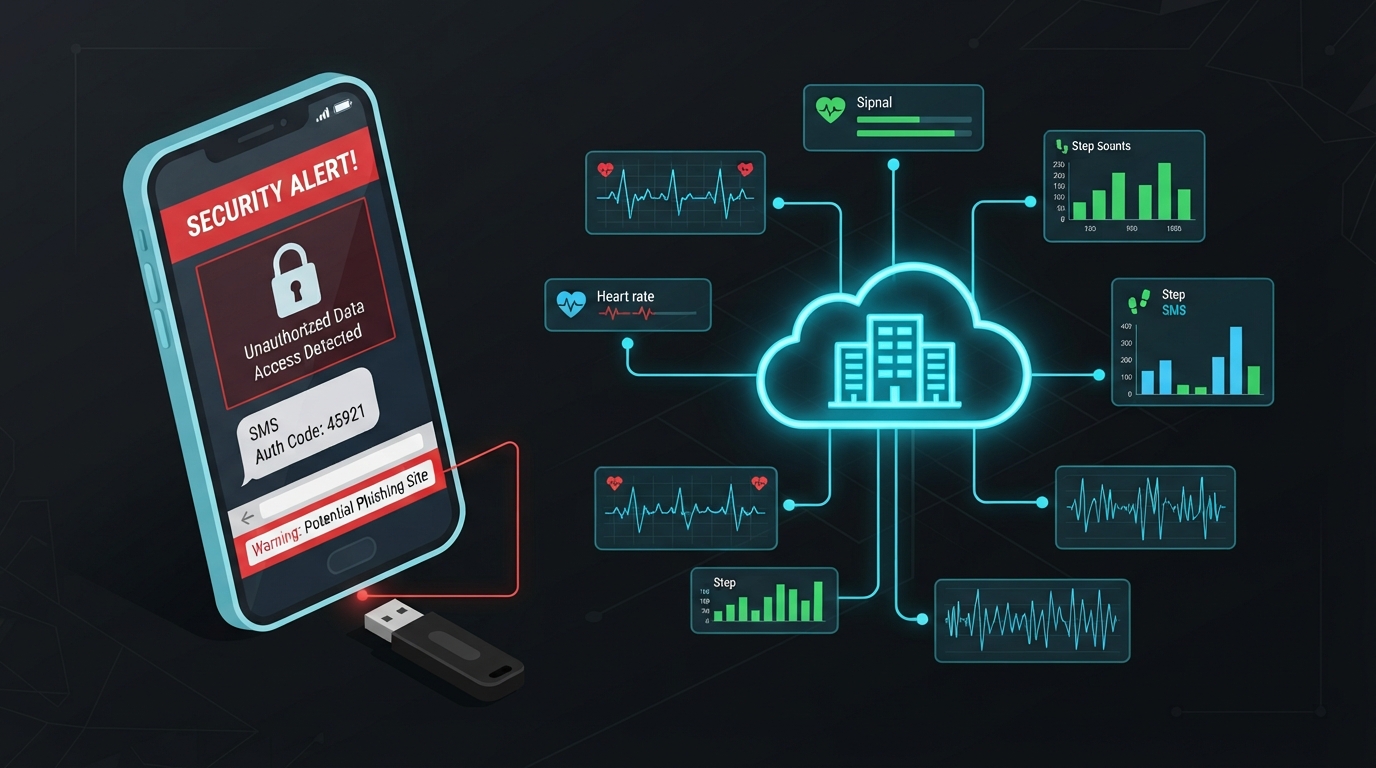
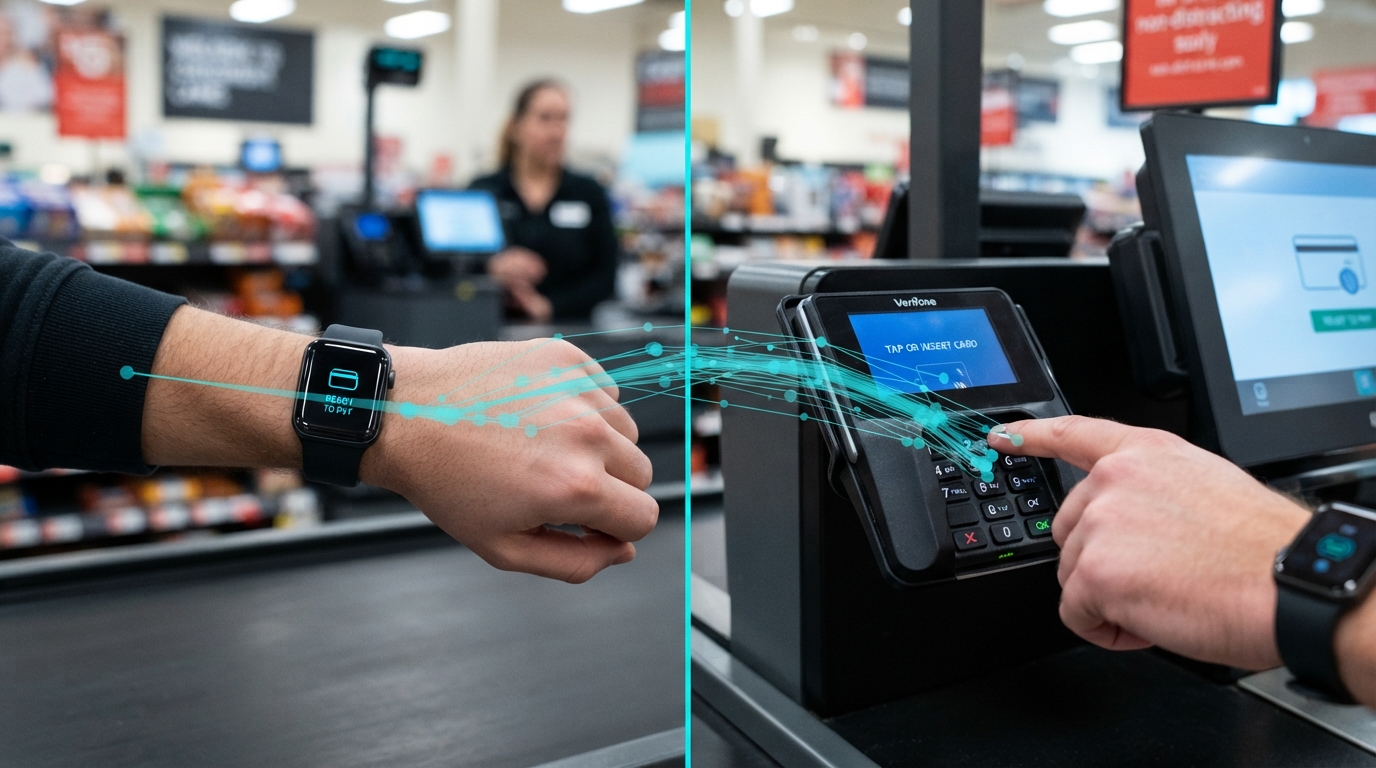
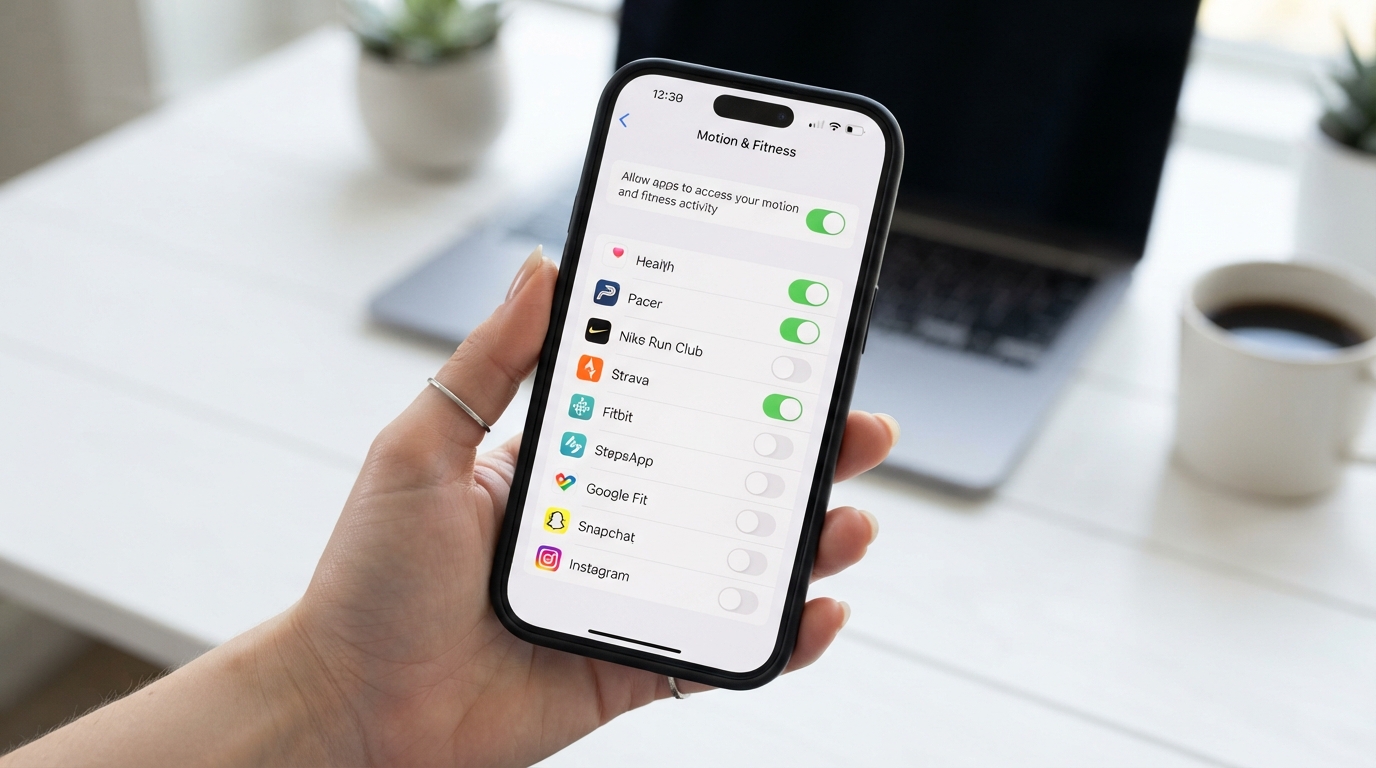
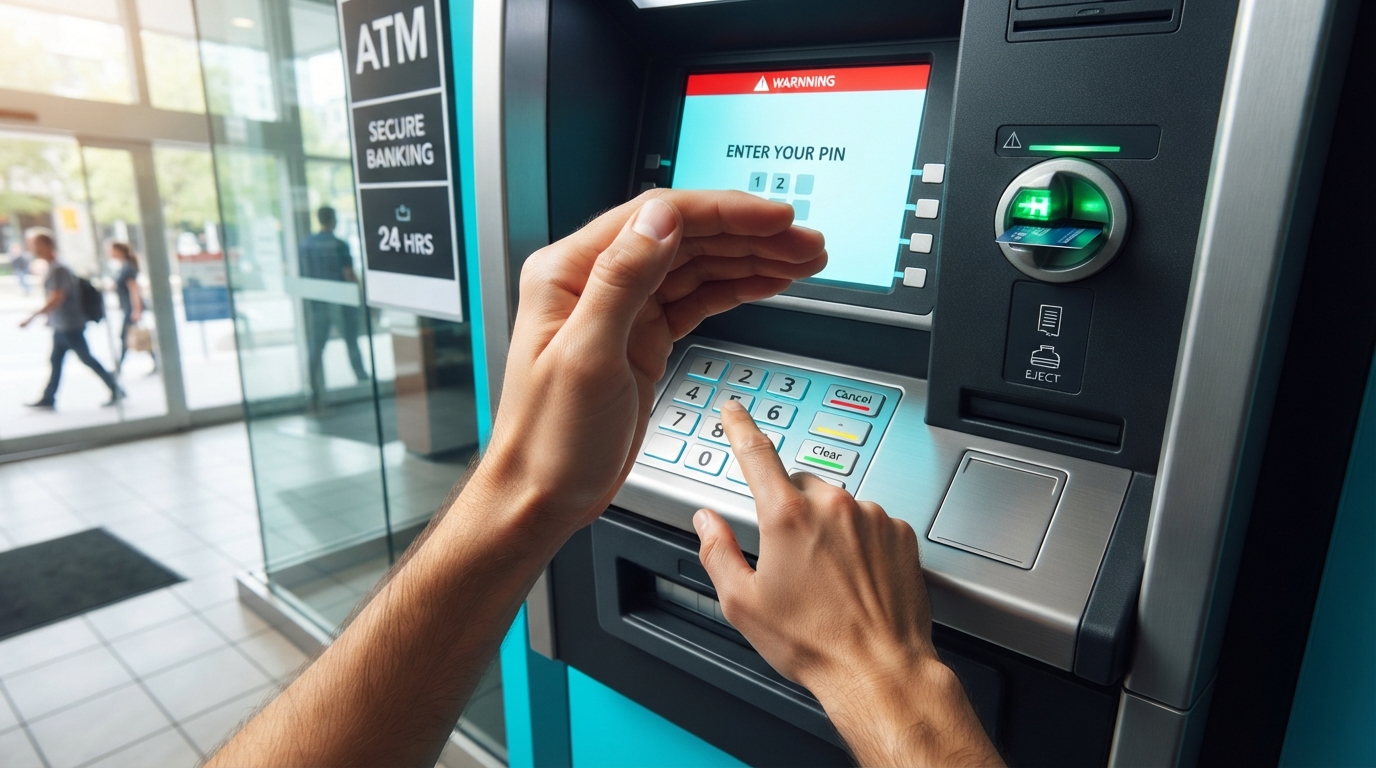
Your fitness tracker records every micro-movement when you enter a PIN at an ATM or payment terminal, and researchers have proven they can reconstruct unlock codes from accelerometer data alone. This video shows how motion-sensing apps with broad permissions can log your gestures, sync that data to cloud accounts, and why shielding your hand and auditing sensor permissions are your only real defenses against this silent threat. Chapters: 00:00 Your wrist betrays PINs 00:16 Proven since 2015 00:31 How wrist sensors steal PINs 00:45 Default access granted 01:01 Lab to real world 01:14 Sample rate vs. accuracy 01:27 Physical defense 01:43 The takeaway Sources & further reading: • ACM Conference on Computer and Communications Security 2015 - 'Stealing PINs via Mobile Sensors' (Newcastle University) — Foundational study demonstrating PIN inference from smartwatch motion sensors with 70–90% accura • IEEE Symposium on Security and Privacy 2017 - 'Motion Sensor-Based Keystroke Inference Attacks' (Stevens Institute of Technology) — Demonstrated 80% ATM PIN recovery using wrist-worn accelerometer and gyroscope data • USENIX Security Symposium 2020 - 'Internal Sensors as Privacy Threat' (Binghamton University) — Showed millimeter-precision tap inference using smartphone internal motion sensors • Apple iOS Security Documentation — https://support.apple.com/guide/security/motion-and-fitness-sec9d1e7f7b7/web • Android Developers - Sensors Overview — https://developer.android.com/guide/topics/sensors/sensors_overview • National Institute of Standards and Technology (NIST) Cybersecurity Framework — Provides guidance on mobile sensor security and permission auditing best practices
From the video