What Is the Oh-My-God Particle?
About this video
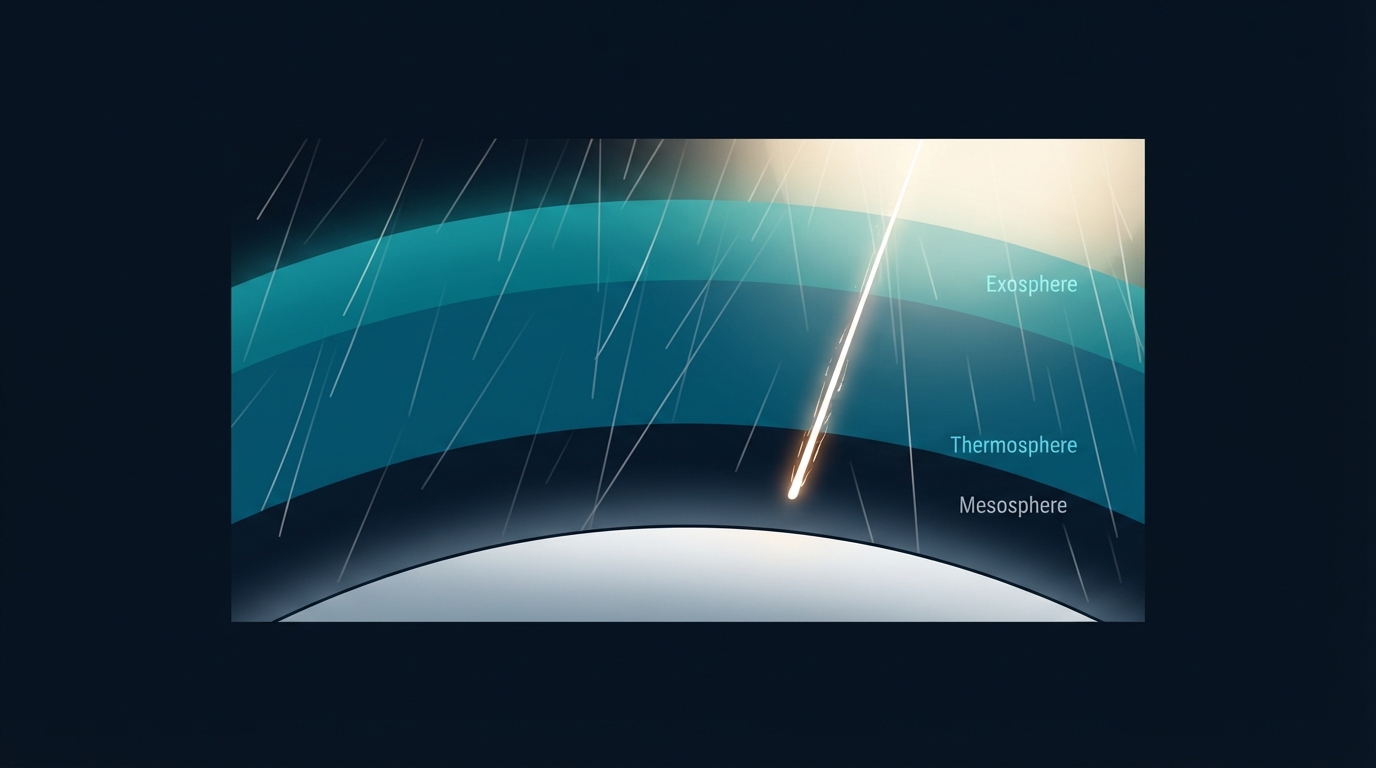
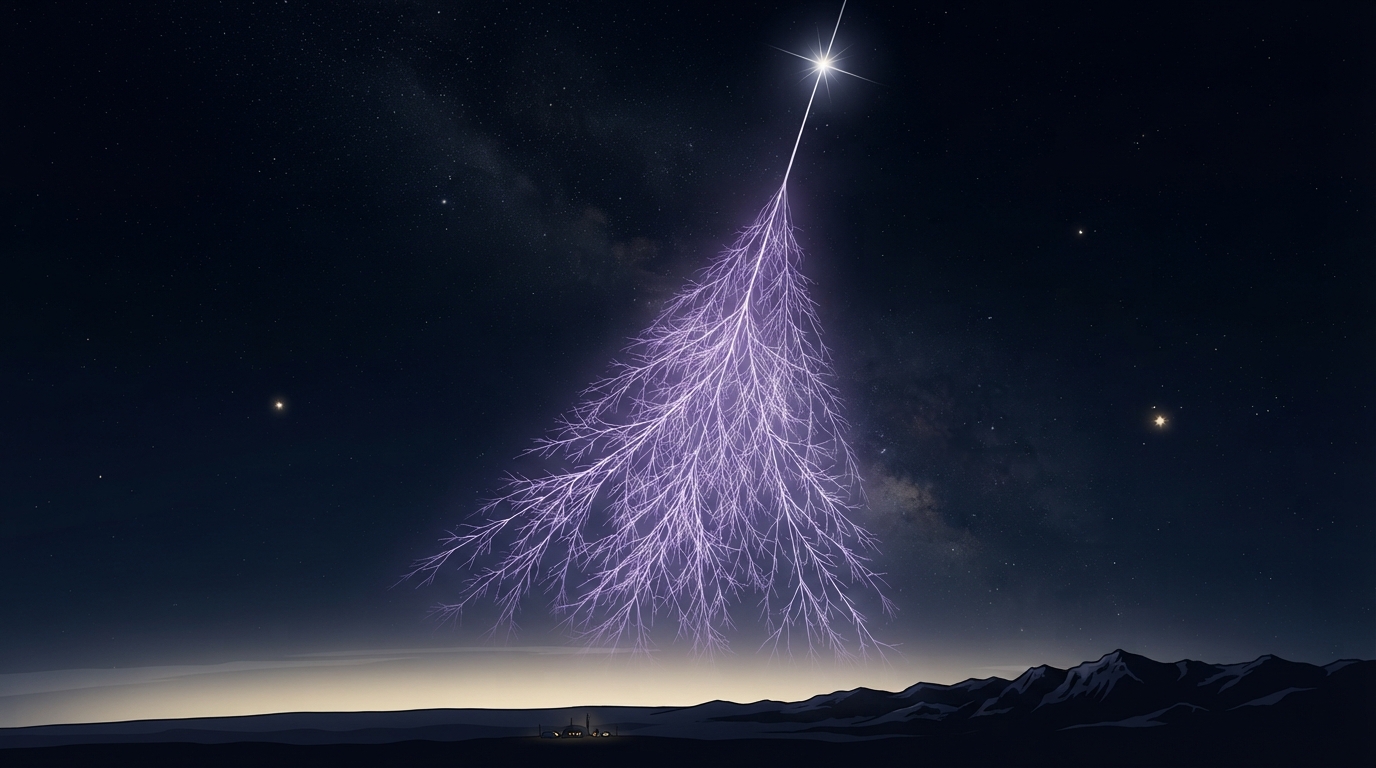
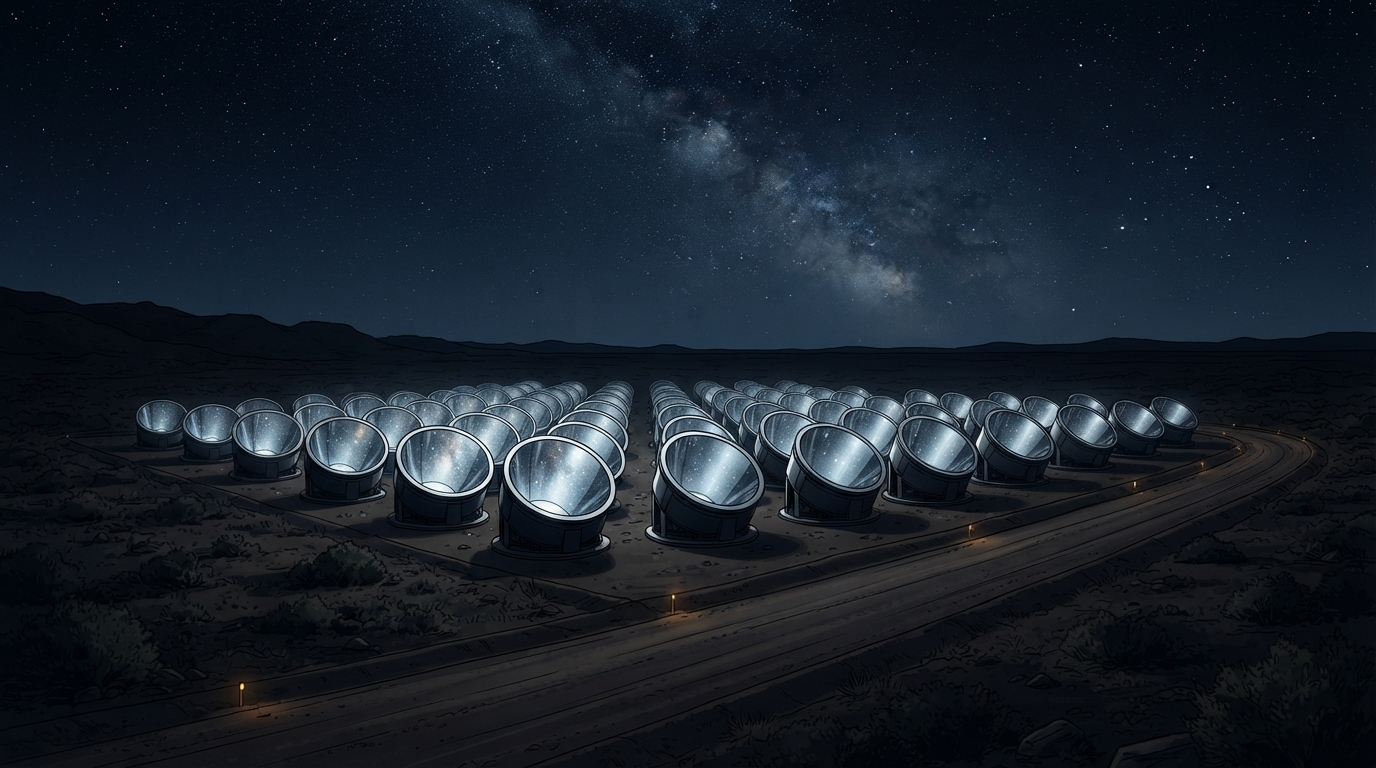
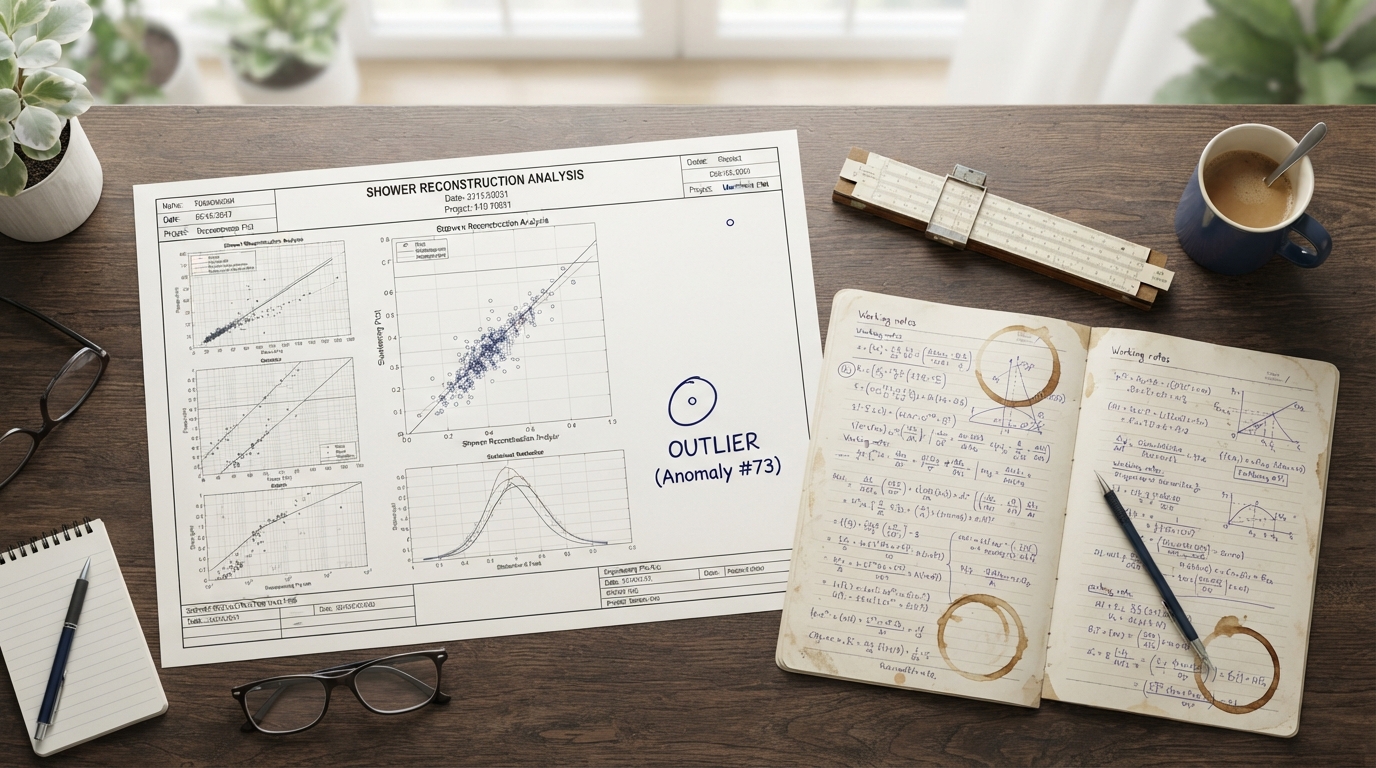
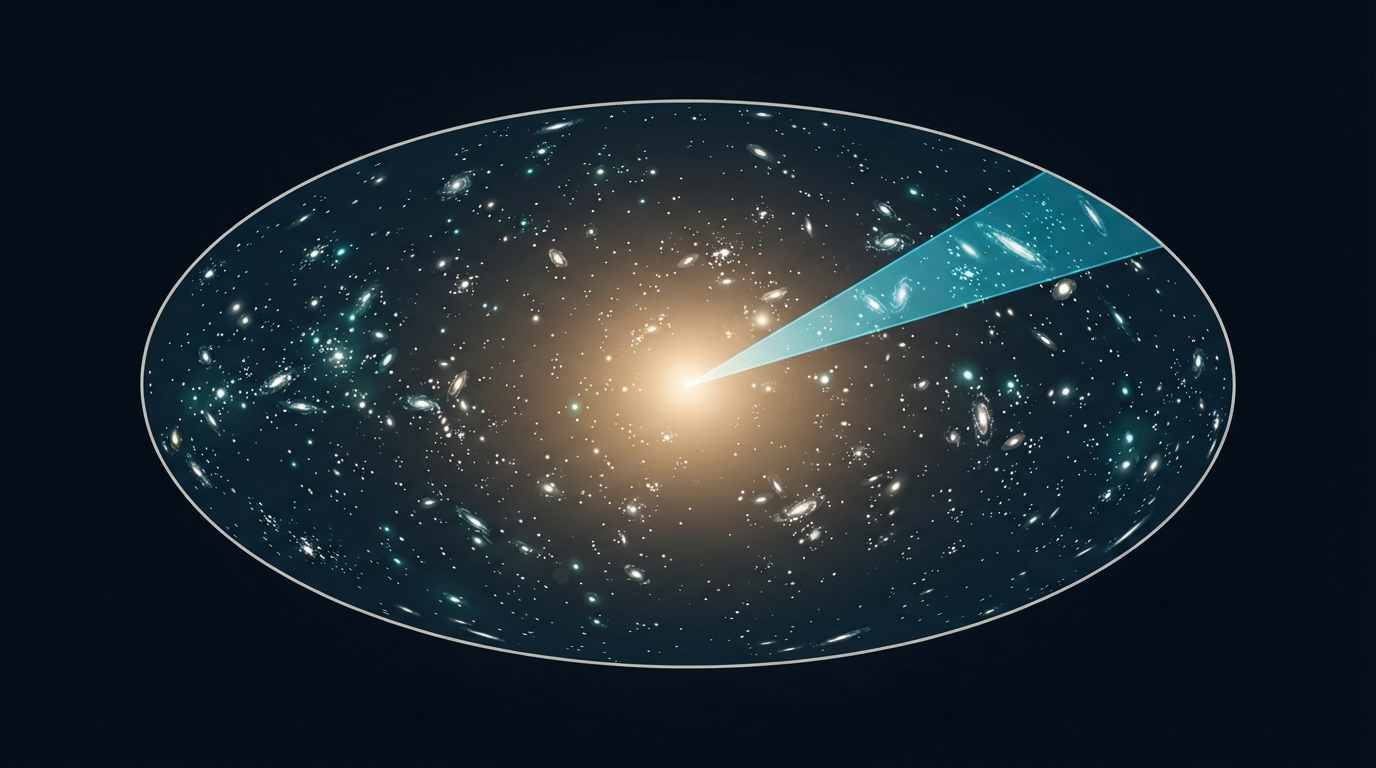
Ultra-high-energy cosmic rays should not exist, yet detectors have recorded single particles carrying the energy of a fast-pitched baseball. This video explores the Oh-My-God particle of 1991 and the Amaterasu particle of 2021, why the GZK limit says their sources must be nearby, and why the arrival directions point at empty space. We examine the three uncomfortable explanations: unmapped magnetic fields, an unknown source class, or new particle physics. Sources & further reading: • Fly's Eye detector — The cosmic ray detector in Utah that recorded the Oh-My-God particle in 1991. • Telescope Array — The cosmic ray observatory in Utah that detected the Amaterasu event in 2021. • Pierre Auger Observatory — The cosmic ray observatory in Argentina that studies ultra-high-energy cosmic rays. • GZK limit — The theoretical limit on cosmic ray energy due to interactions with the cosmic microwave background, proposed by Greisen, Zatsepin, and Kuzmin in 1966. • Scientific literature on ultra-high-energy cosmic rays — Peer-reviewed papers and reviews covering the detection and analysis of ultra-high-energy cosmic rays.
From the video



More from [ARCHIVED] Still Unexplained

The decibel scale is a human-defined measure, not a physical floor, so negative decibels a

GUESS THE AGE

GUESS THE NUMBER

Why Time Feels Different at the Bottom of the Ocean
What the James Webb Telescope Wasn't Built to Find

Why Lightning Never Leaves This One Lake

Something Is Pulling Our Galaxy. We Cannot See It.