Why You Attract People Who Need Saving
About this video
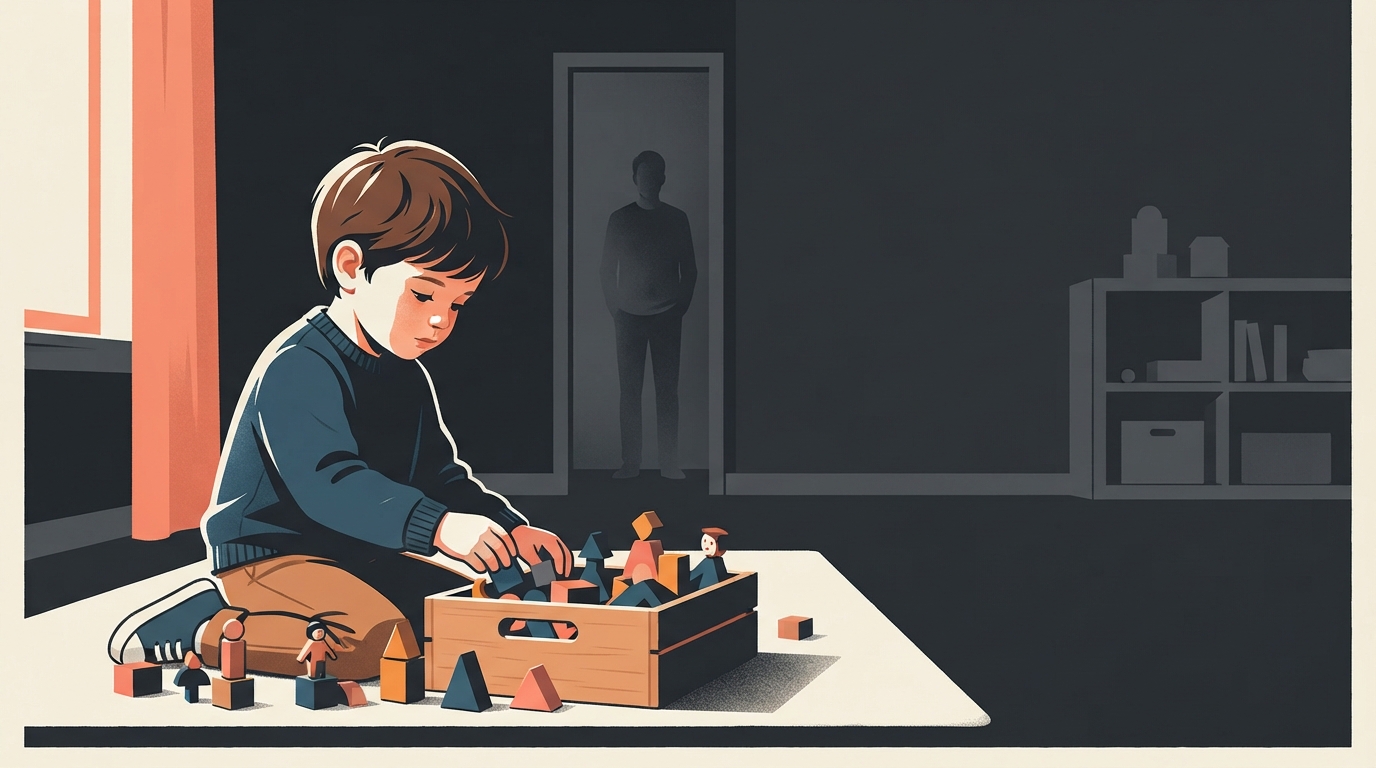
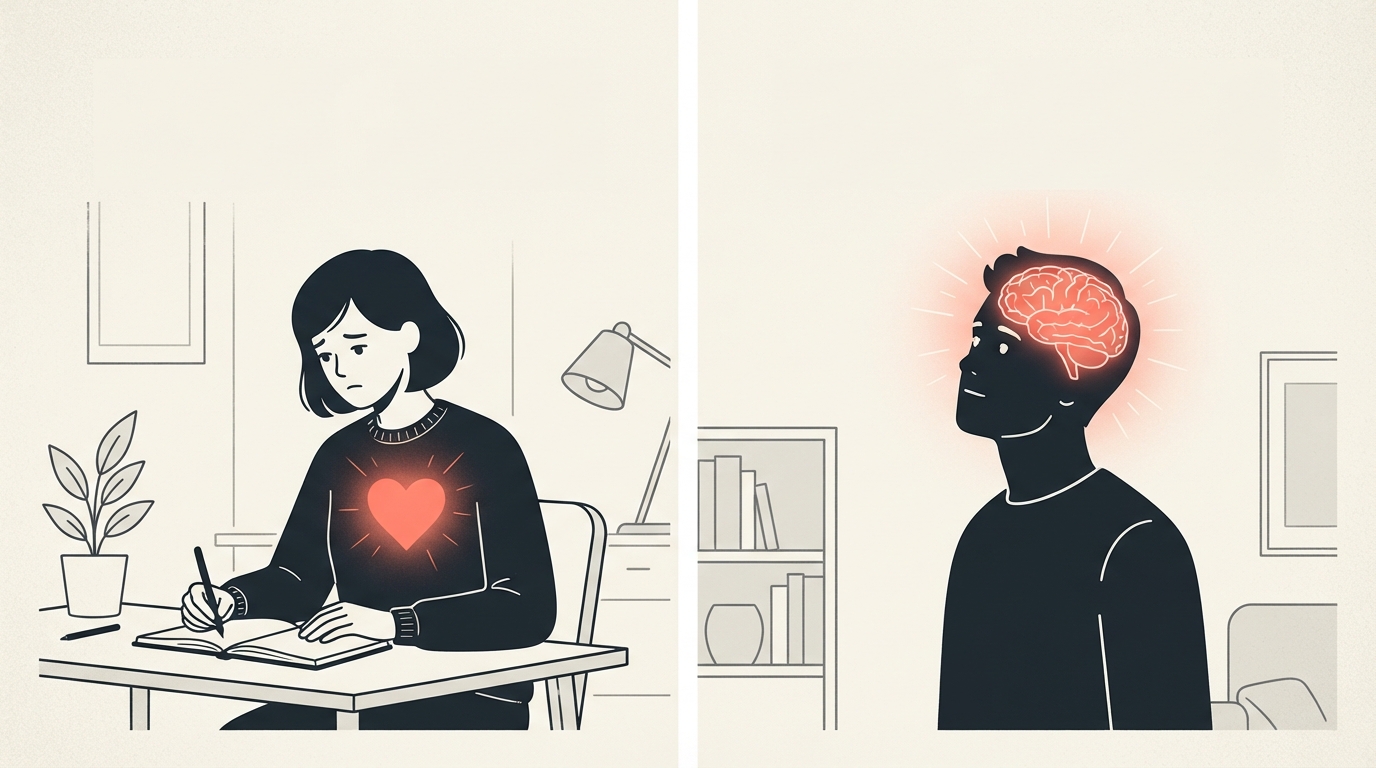
Why do you keep attracting people who need saving? This video explores the rescuer identity mirror, the childhood roots of parentification, and the hidden cost of being the emotional first responder. Learn one reframe that breaks the cycle without villainizing anyone. Chapters: 00:00 The Rescuer's Trap 00:16 Childhood Roots 00:32 Childhood Roots 00:48 Parentification 01:04 A Learned Skill 01:20 Neural Mirror 01:36 Unpaid Work of Feeling 01:52 The Hidden Trap 02:08 The Shocking Reversal 02:24 Mutual Trap 02:40 Depression & Anxiety 02:56 The Cycle 03:12 Redirect the Skill 03:28 Skill Becomes Superpower 03:44 The Final Reframe 04:00 Real Strength 04:16 The Dopamine Trap 04:32 The Savior Complex 04:48 The First Step Sources & further reading: • Karpman Drama Triangle — Stephen Karpman's 1968 transactional analysis model describing rescuer, victim, and persecutor roles. • Codependency: A Review of the Literature — https://doi.org/10.1080/07347324.2018.1461331 • National Association for Children of Addiction — https://nacoa.org • The Managed Heart: Commercialization of Human Feeling — Arlie Hochschild's 1983 book on emotional labor. • Parentification and Its Impact on Adult Relationships — https://www.apa.org • Pew Research Center: Gender and Emotional Labor — https://www.pewresearch.org
From the video










More from The Cognition Desk

The Authority Illusion

The Ownership Illusion

Why You Can't Stop Overthinking

Endowment Effect: Why Touching Increases an Item's Value

Cognitive Dissonance Explained: Why We Justify Bad Decisions

Authority Bias and the Halo Effect: Why Smart People Fall for Scams

Smartphone Addiction: How Variable Rewards Hijack Your Brain's Dopamine System