Why You Overprepare for Simple Conversations
Chapters
About this video
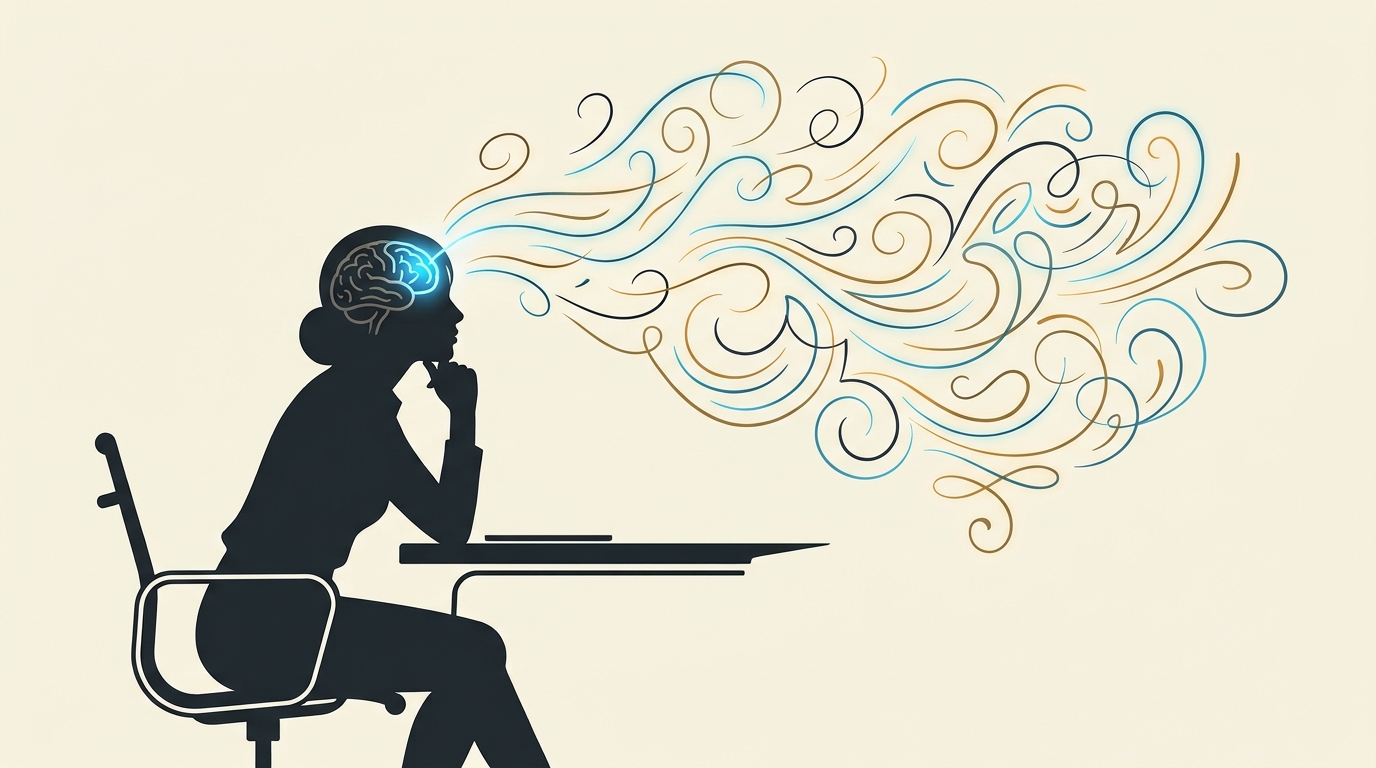
Discover why you overprepare for simple conversations and how safety scripts trap your social spontaneity. Learn the psychology behind compulsive rehearsal and how to rewire your brain for authentic connection. Chapters: 00:00 The Safety Script Trap 00:16 Inside Your Brain 00:31 PFC Overrides Spontaneity 00:46 Social Anxiety Stats 01:00 Prep Doesn't Protect 01:16 The Script Is a Cage 01:32 Rebuild Spontaneity 01:48 Rewire the Brain 02:04 Compulsive vs. Useful 02:20 What About Stuttering? 02:36 Your Brain on Surprise 02:52 What If It's Work? 03:08 The 3-Second Pause 03:24 You Are Enough 03:40 The Hidden Cost 03:56 Missed Cues 04:12 Letting Go Feels Risky Sources & further reading: • National Institute of Mental Health (NIMH) - Social Anxiety Disorder Statistics — https://www.nimh.nih.gov/health/statistics/social-anxiety-disorder • Gifted Child Quarterly - Social Anxiety in Gifted Adolescents — Study published in Gifted Child Quarterly, 2015, showing elevated social anxiety rates in gifted populations. • Clark & Wells (1995) - A cognitive model of social phobia — Seminal paper describing safety behaviors in social anxiety. • Journal of Autism and Developmental Disorders - Social Anxiety in Neurodivergent Populations — Meta-analysis showing 2-4x higher social anxiety rates in neurodivergent individuals. • Behaviour Research and Therapy - Anticipatory anxiety and mental rehearsal — 2021 study linking mental rehearsal to increased anticipatory anxiety. • YouGov - Survey on phone call rehearsal habits — 2022 survey reporting 68% of respondents rehearse casual calls.
From the video







More from The Cognition Desk

The Authority Illusion

The Ownership Illusion

Why You Can't Stop Overthinking

Endowment Effect: Why Touching Increases an Item's Value

Cognitive Dissonance Explained: Why We Justify Bad Decisions

Authority Bias and the Halo Effect: Why Smart People Fall for Scams

Smartphone Addiction: How Variable Rewards Hijack Your Brain's Dopamine System