Why You Self-Sabotage When Life Gets Good
About this video
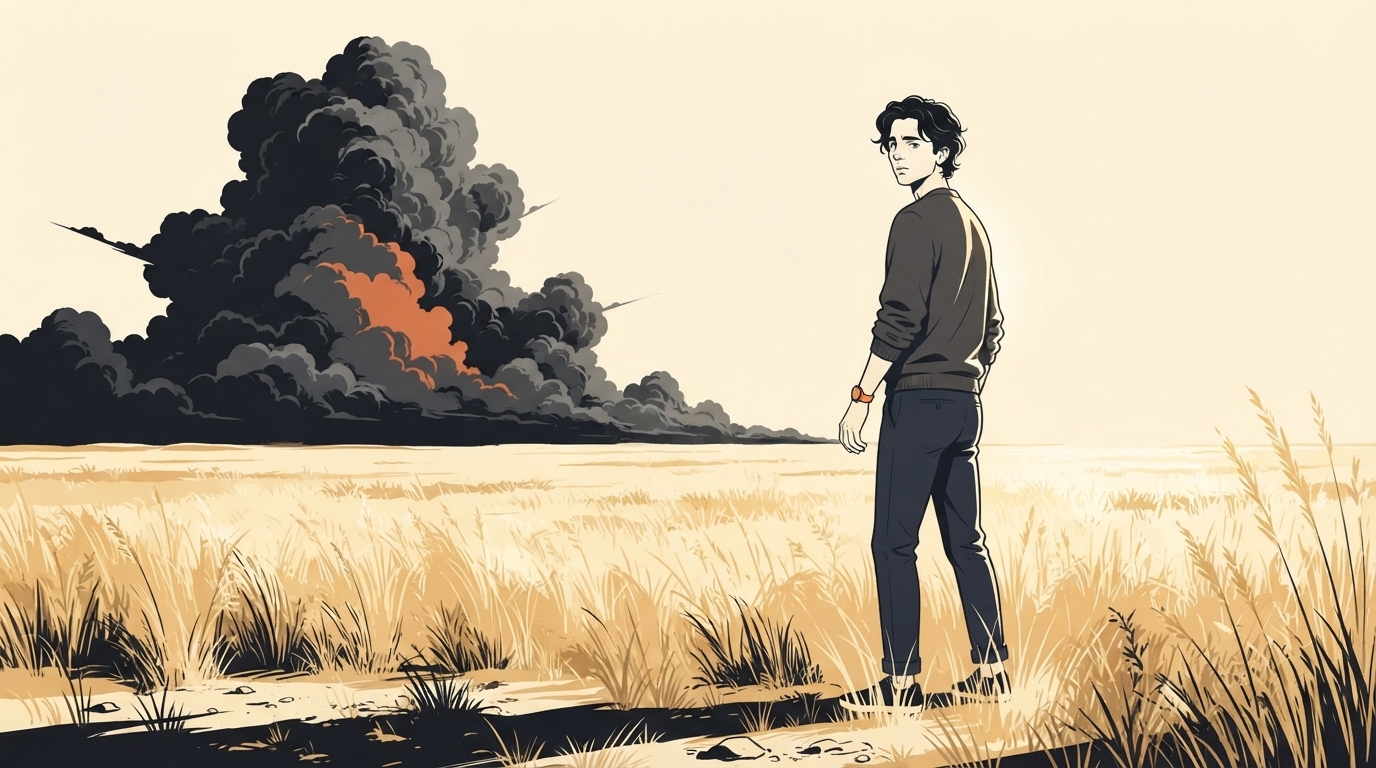
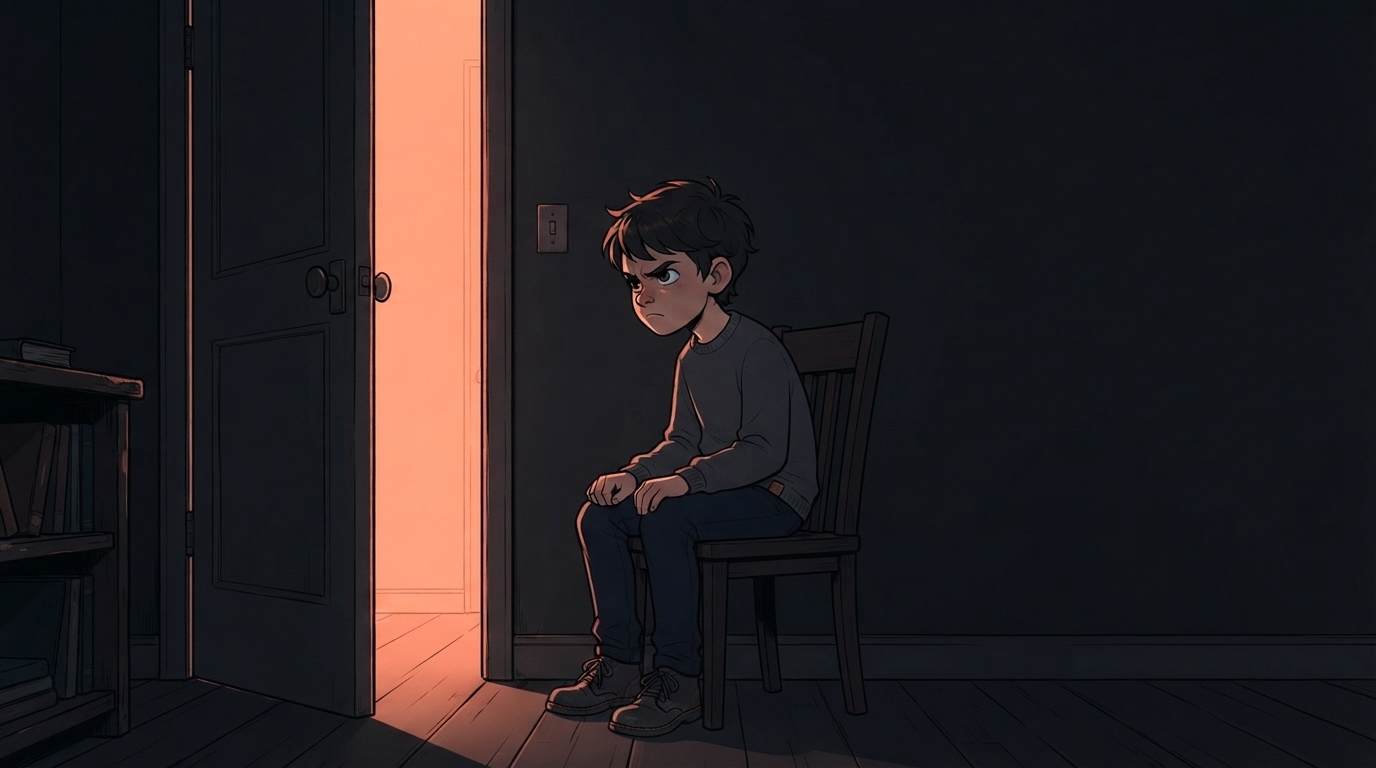
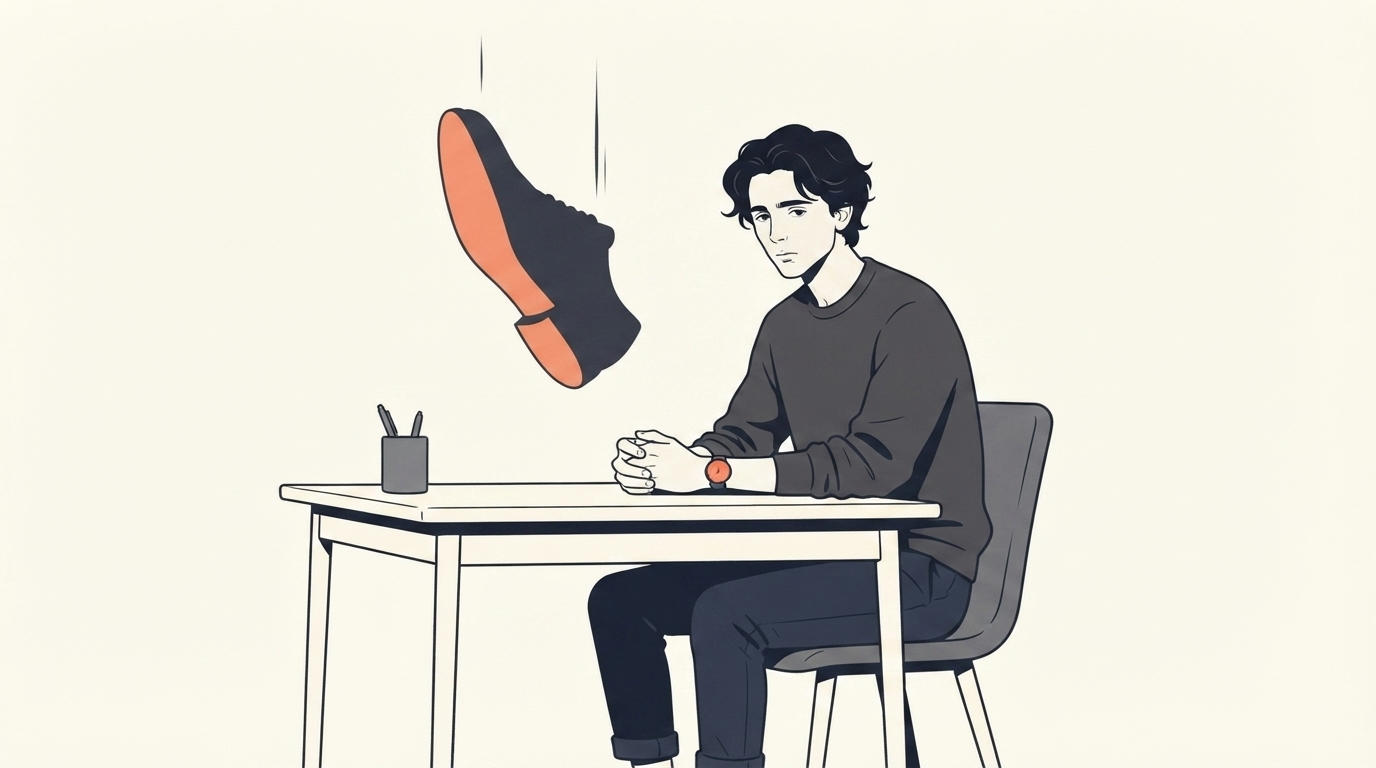
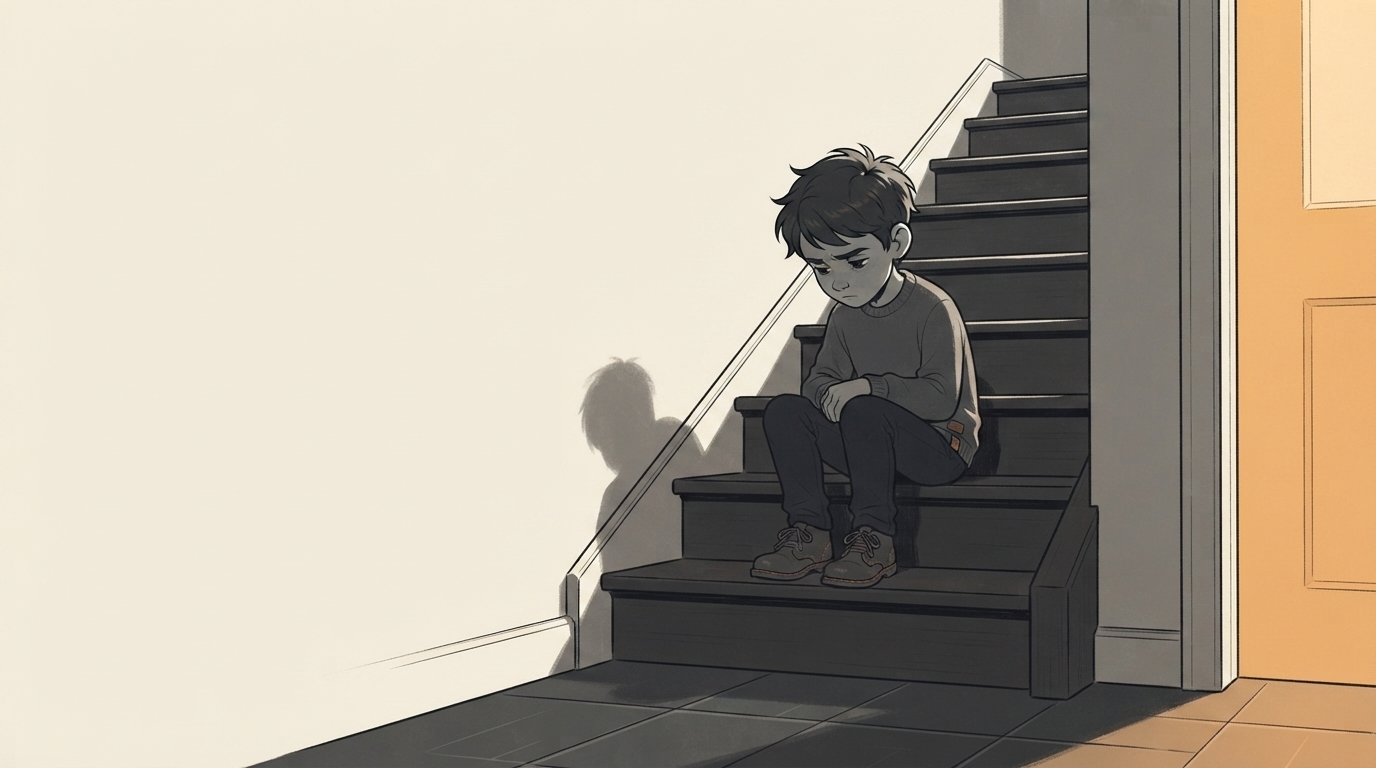
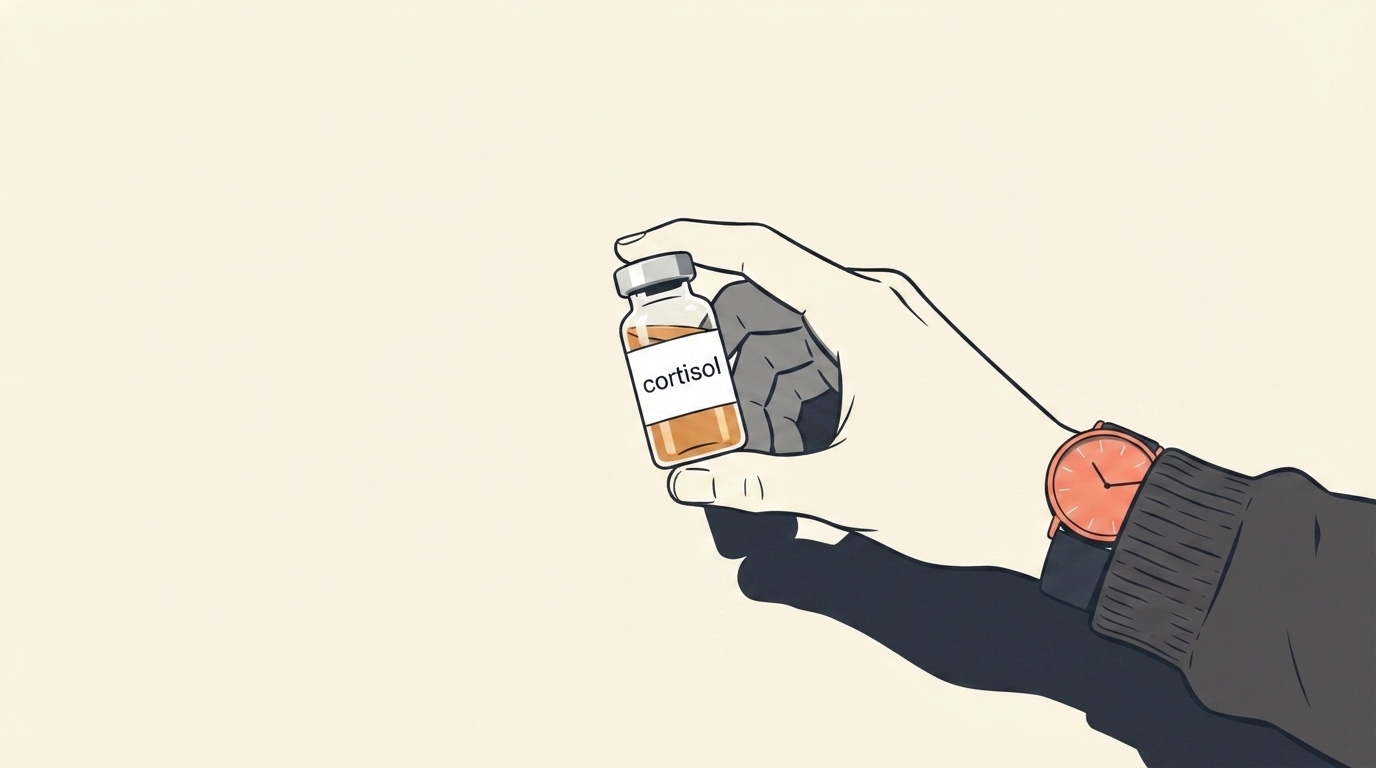
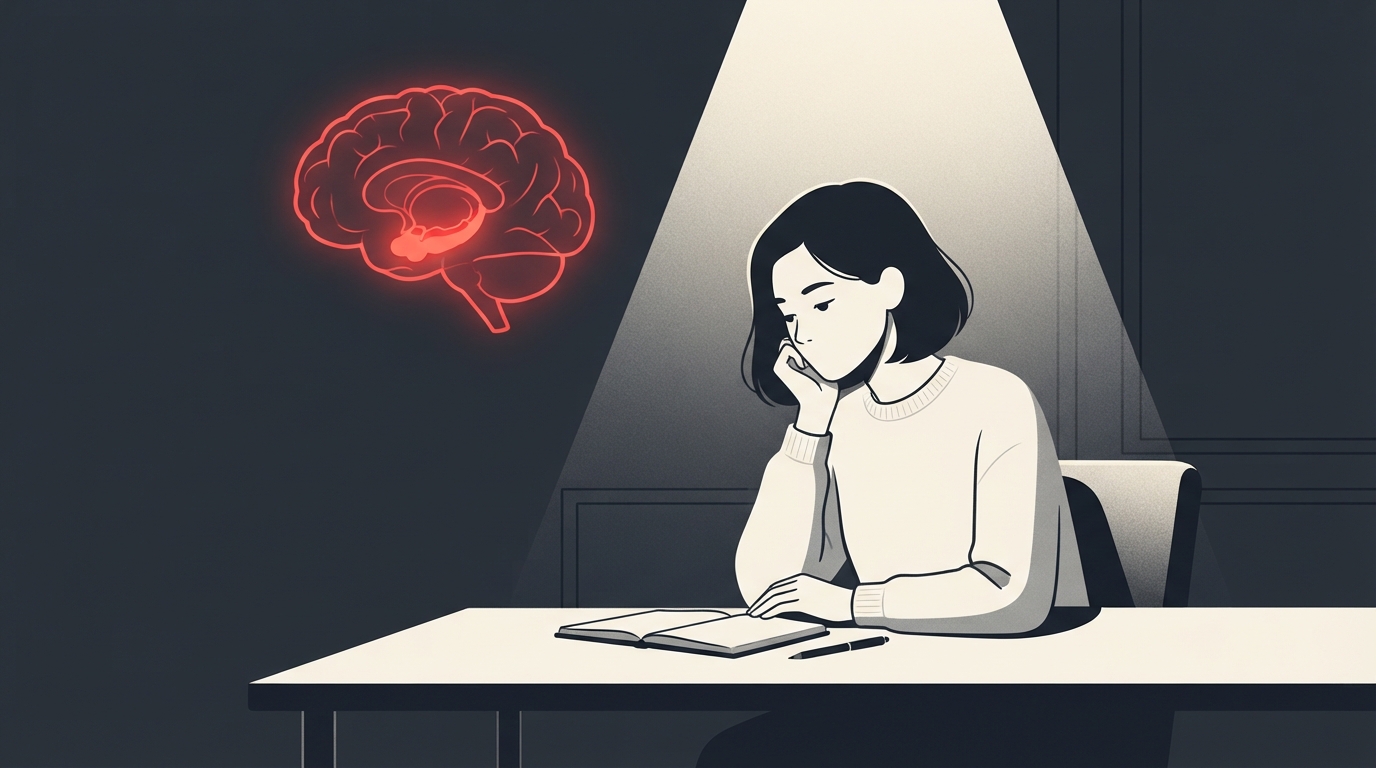
If you find yourself disappearing or self-sabotaging right when things start going well, you're not broken—you're wired for survival. This video explores the rare-mind pattern of discomfort with peace, rooted in childhood unpredictability, and how to rewire your brain to trust the calm. Chapters: 00:00 The Unease of Peace 00:15 Survival Mode 00:29 Hyperactive Amygdala 00:43 The Twist: When Good Things Trigger Flight 00:59 The Sabotage Stat 01:15 Learning to Trust the Floor 01:31 The Cost of Familiarity 01:47 Small Steps to Safety 02:03 The New Normal 02:19 The Courage to Stay Sources & further reading: • CDC Adverse Childhood Experiences (ACEs) Study — https://www.cdc.gov/violenceprevention/aces/index.html • Journal of Traumatic Stress, 'Childhood Adversity and Adult Self-Sabotage' — 2020 study linking unpredictability to self-sabotage • Nature Neuroscience, 'Amygdala Hyperactivity in Adults with ACEs' — 2018 study on threat detection • Psychoneuroendocrinology, 'Cortisol Levels and Childhood Adversity' — 2019 study on stress hormones • APA Stress in America Survey 2022 — https://www.apa.org/news/press/releases/stress/2022 • Harvard Health, 'Neuroplasticity and Trauma Recovery' — 2021 article on brain rewiring
From the video



More from The Cognition Desk

The Authority Illusion

The Ownership Illusion

Why You Can't Stop Overthinking

Endowment Effect: Why Touching Increases an Item's Value

Cognitive Dissonance Explained: Why We Justify Bad Decisions

Authority Bias and the Halo Effect: Why Smart People Fall for Scams

Smartphone Addiction: How Variable Rewards Hijack Your Brain's Dopamine System