Why Do We Say 'Cut to the Chase'?
About this video
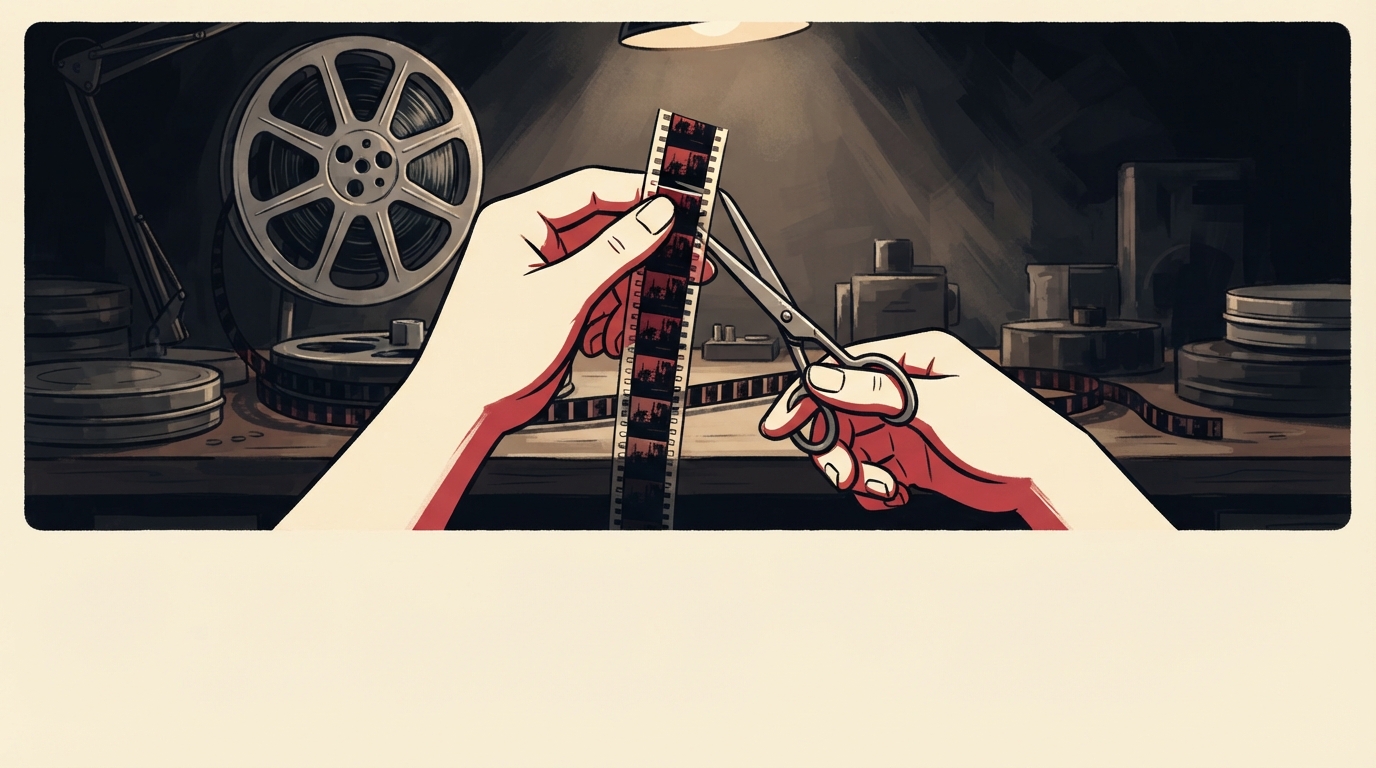
Discover the surprising origin of the idiom 'cut to the chase' in this video. Learn how silent film directors literally cut film to save money and keep audiences entertained. Chapters: 00:00 Cut to the Chase 00:16 Chase Scenes Win 00:29 Cutting the Film 00:45 Intertitles slow the story 00:57 Chase scenes deliver action 01:13 Directors cut to the chase 01:29 Intertitles Cost Money 01:45 Chases Need No Words 02:00 Cut to the Chase 02:12 Keaton & Chaplin 02:25 Cheap Thrills 02:39 The Cost of Talk 02:54 A Director's Order 03:07 From Edit to Idiom 03:17 First Print Appearance 03:30 Surviving Sound 03:44 The Order Lives On 04:00 A Factory of Phrases 04:15 Discarded Scenes 04:30 Cost, Art, Audience 04:43 Keeping Legacy Alive 04:57 The Cost of Film Stock 05:13 The Birth of Editing 05:29 The Rise of the Stuntman 05:45 The Language of Film 06:01 The Sound Era Shift 06:17 The Power of Idioms 06:33 The Phrase Endures Sources & further reading: • Oxford English Dictionary — Entry for 'cut to the chase' with earliest recorded usage. • Encyclopedia Britannica — Articles on silent film and early Hollywood practices. • American Film Institute — Resources on film history and production economics. • Library of Congress — Collections on silent film and early cinema. • Film History journal — Academic articles on the transition to sound and film editing.
From the video
More from The English Pour
Nobody Ever Bit the Bullet
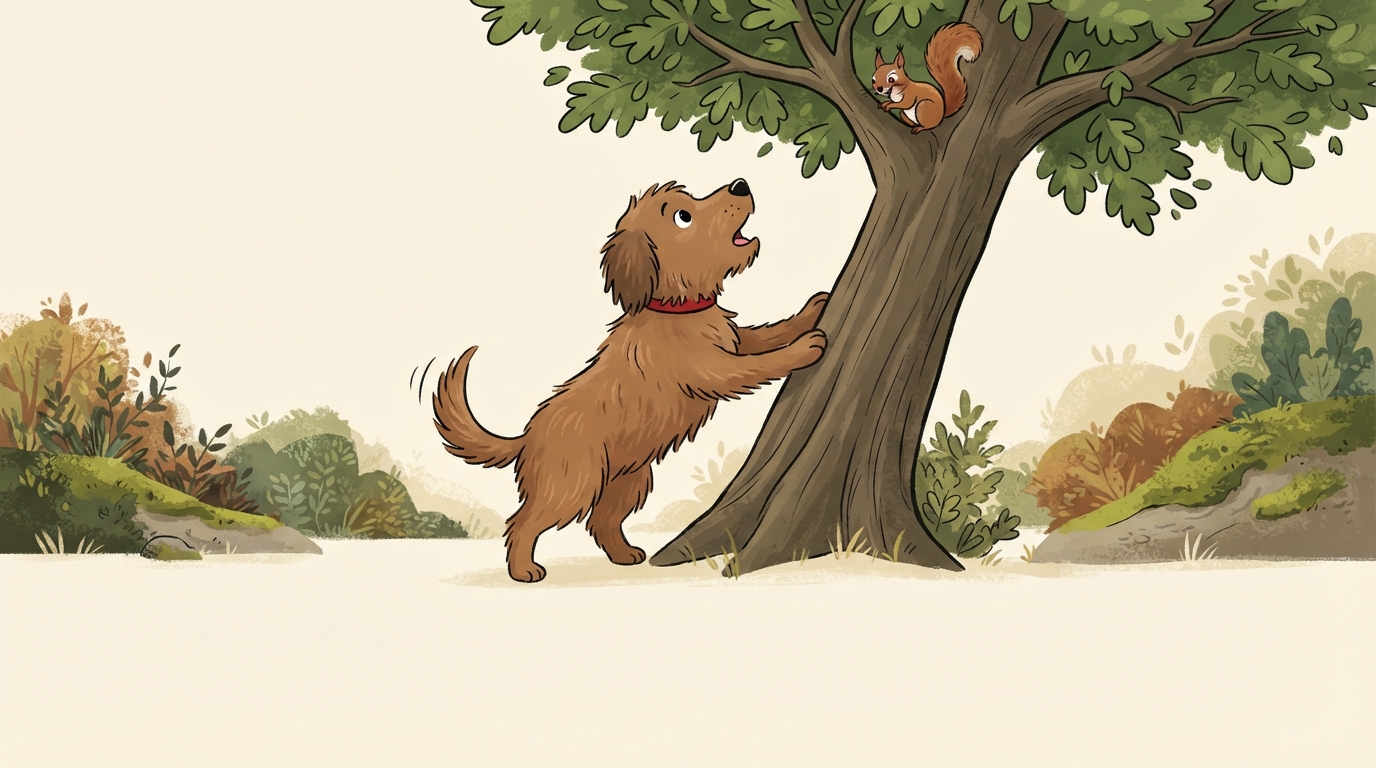
Why Hunters Coined 'Barking Up the Wrong Tree'
5 Everyday Phrases Born on the Gallows
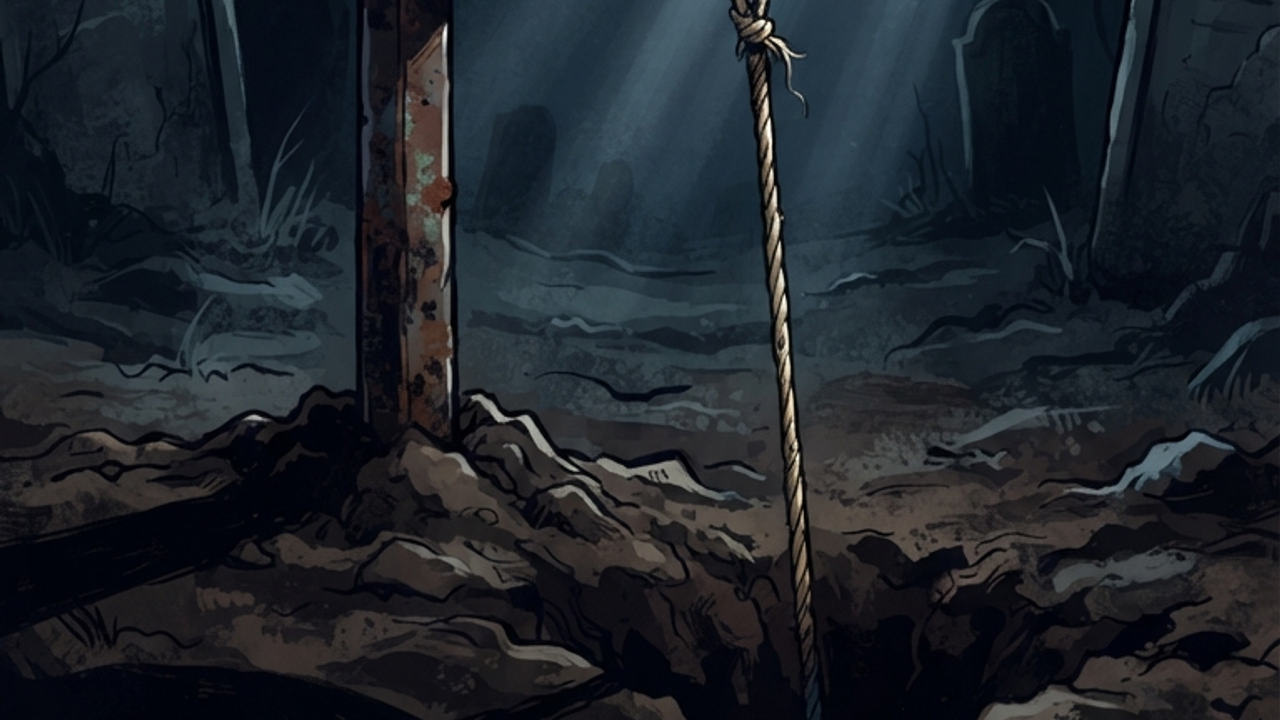
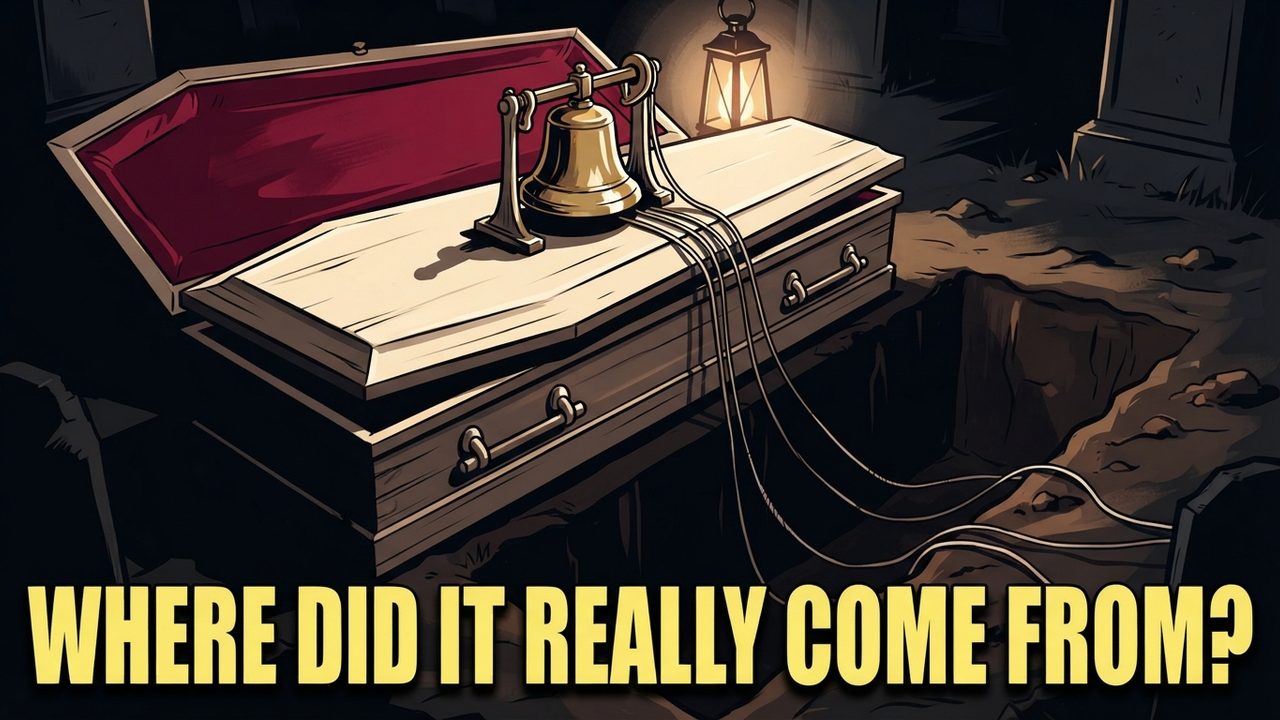
The Coffin Bell Behind 'Saved by the Bell'
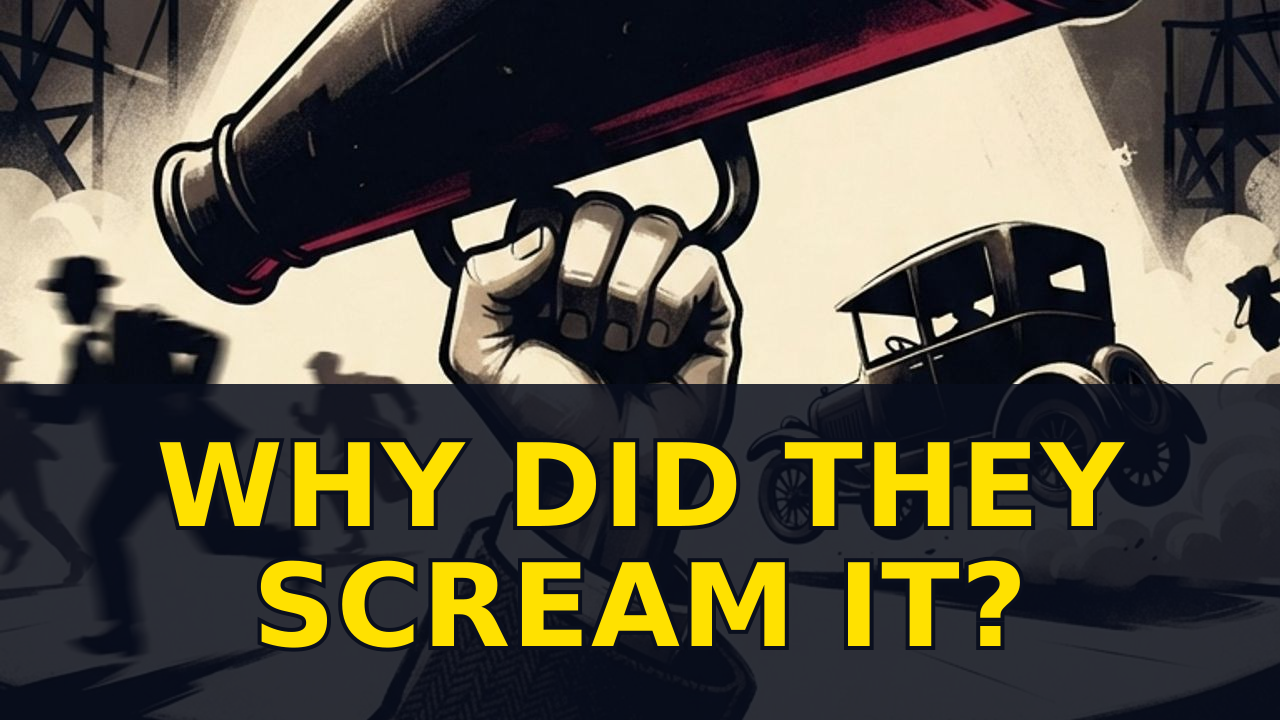
Why Directors Screamed 'Cut to the Chase'
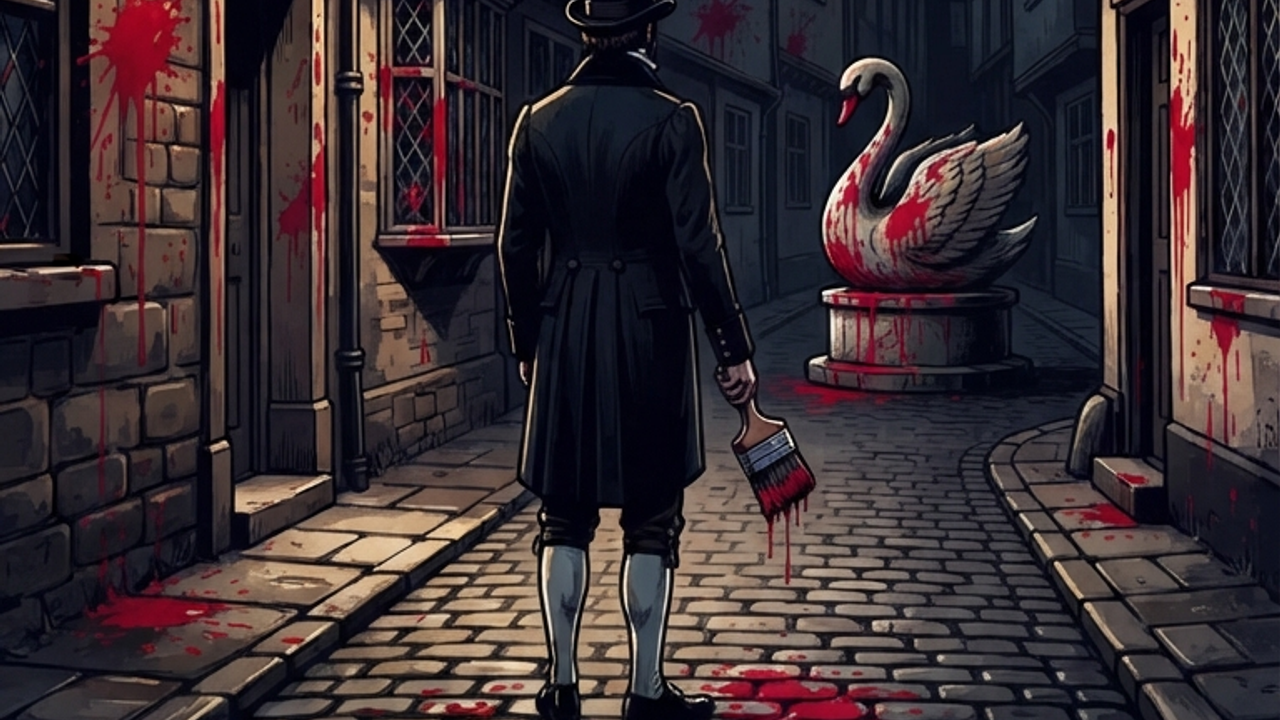
The Rampage Behind 'Paint the Town Red'
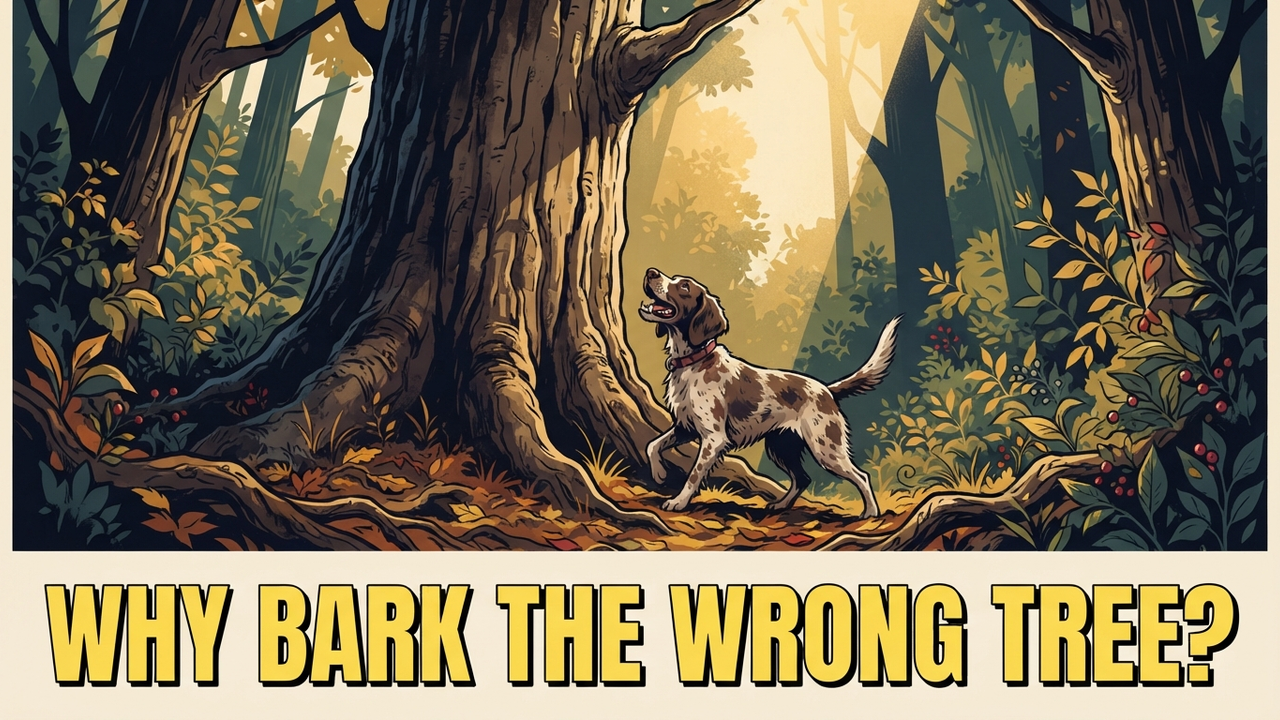
Where Did "Barking Up the Wrong Tree" Come From?