How Pilots Land When They Can't See the Runway
Chapters
About this video
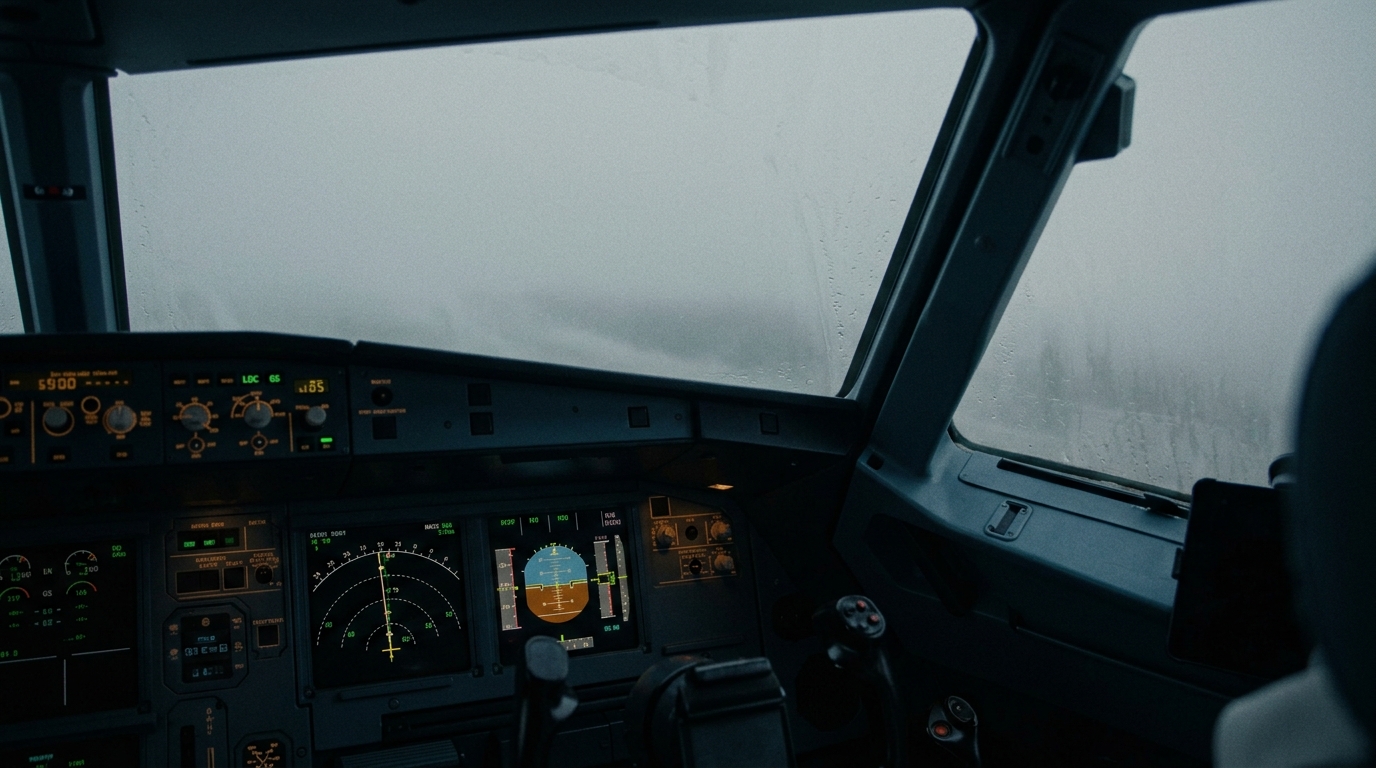
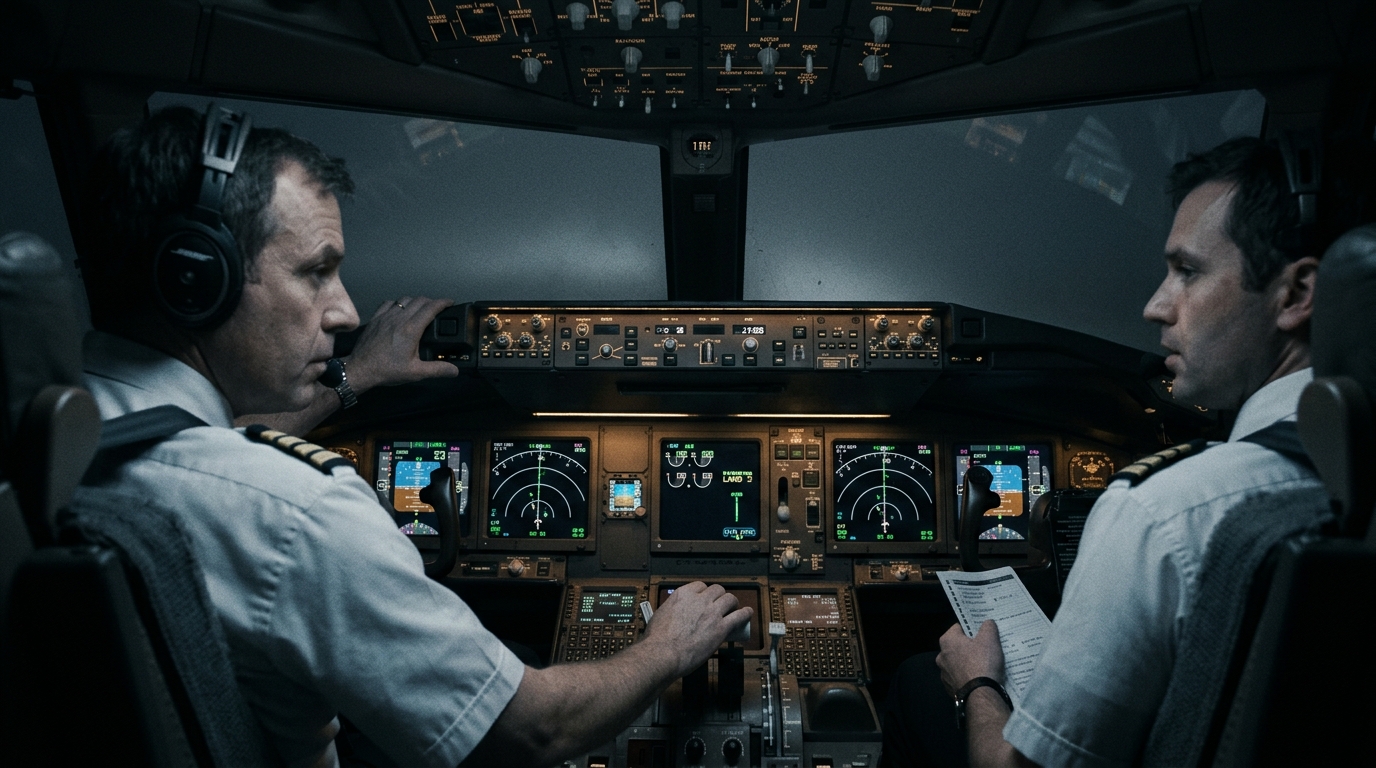
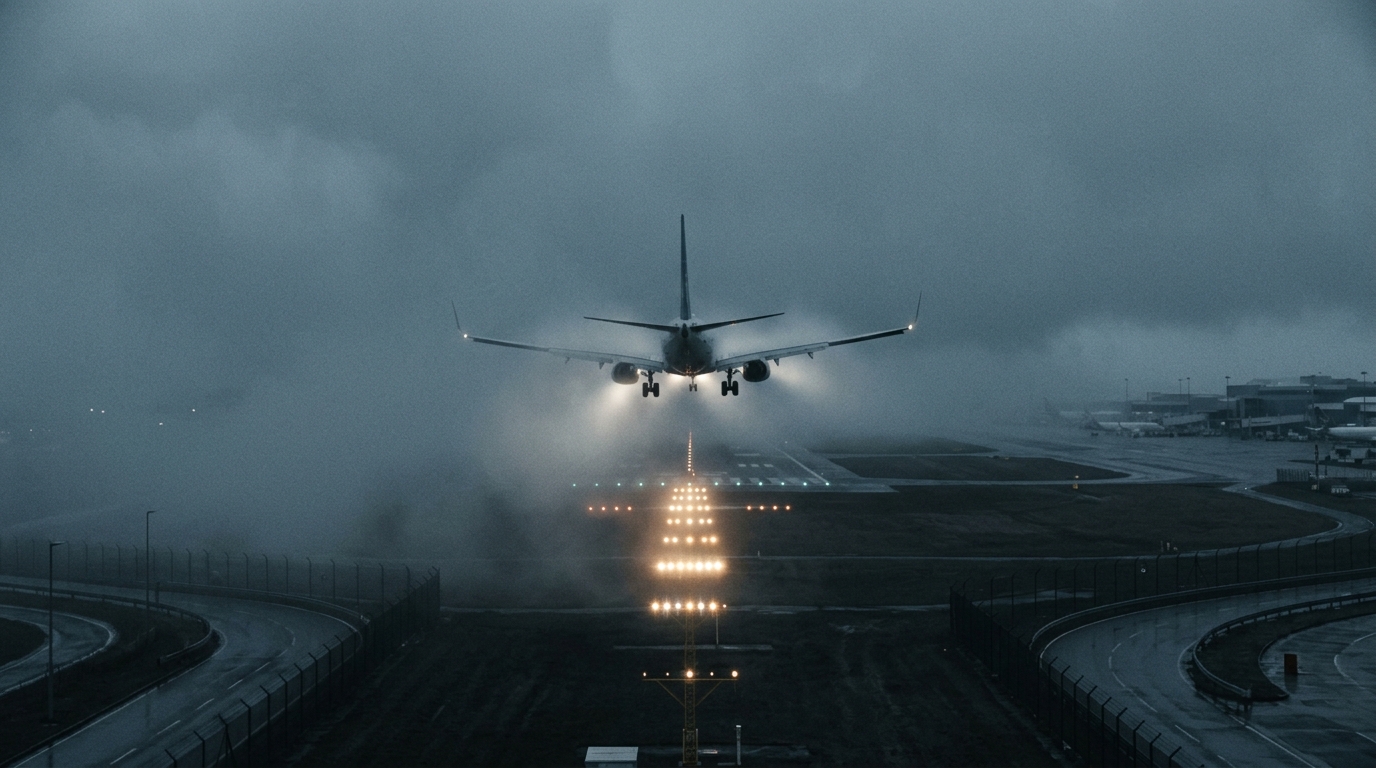
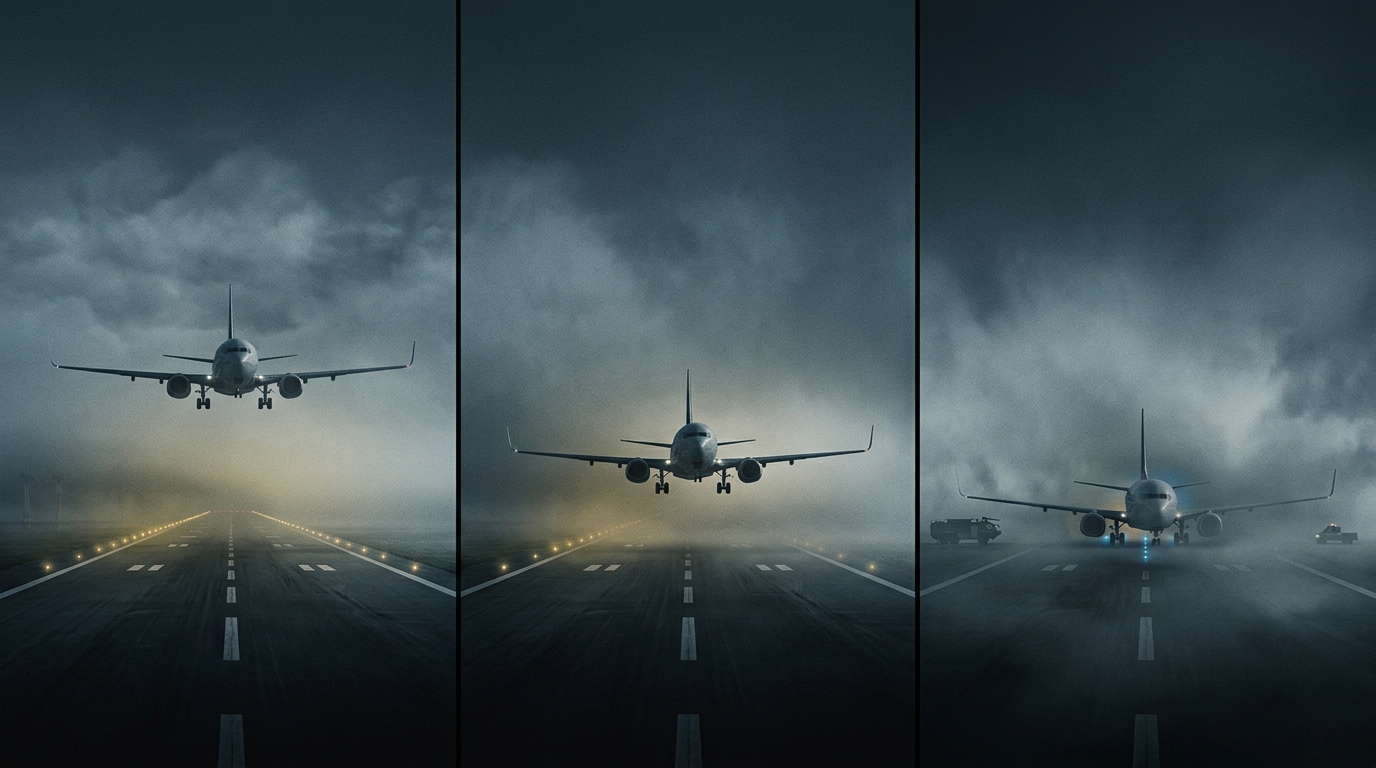
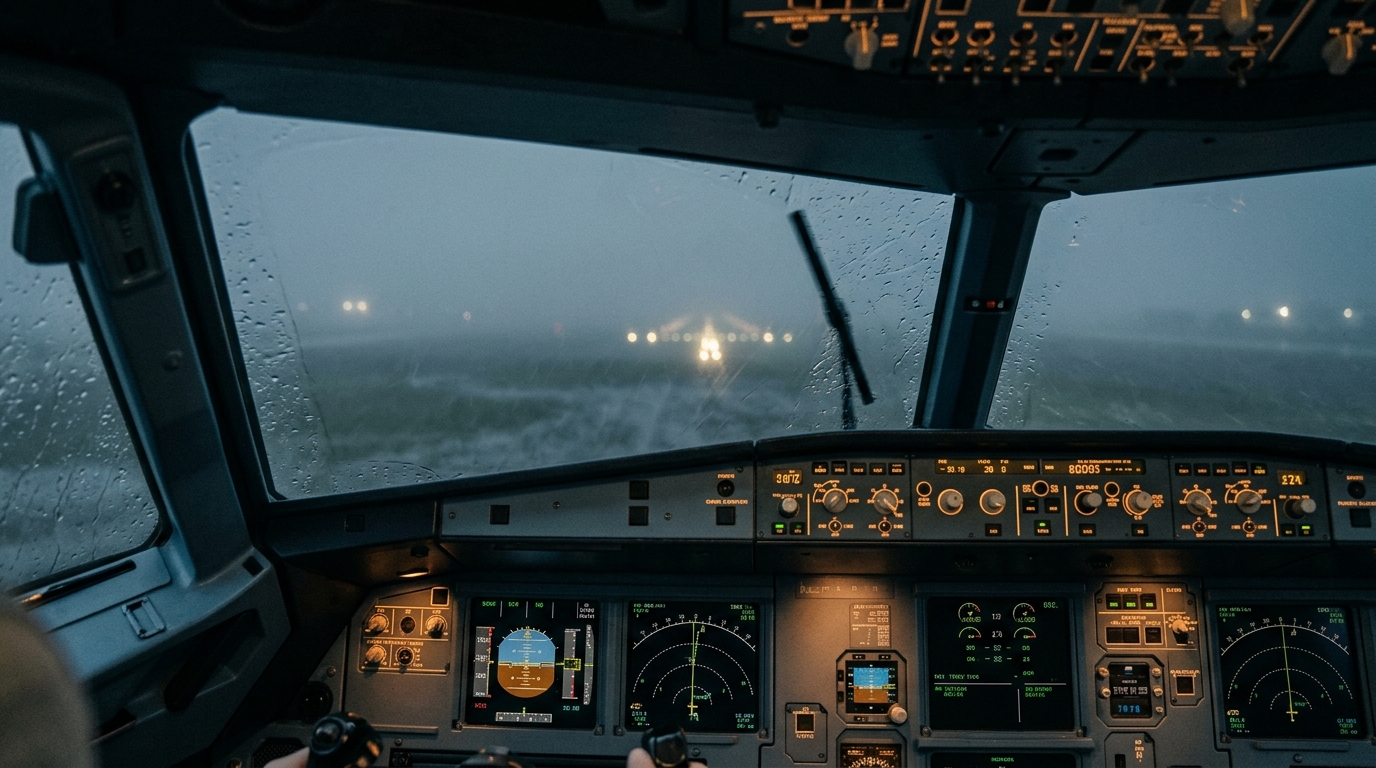
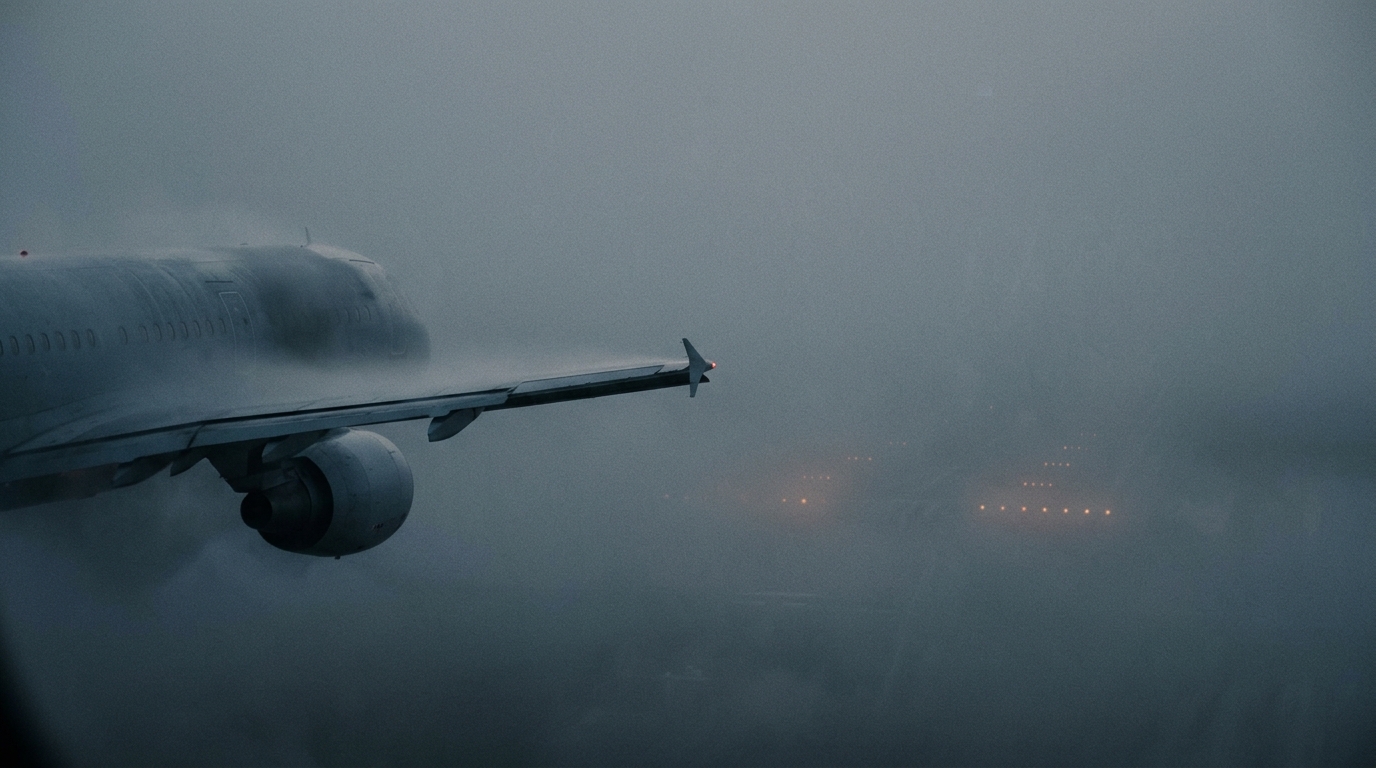
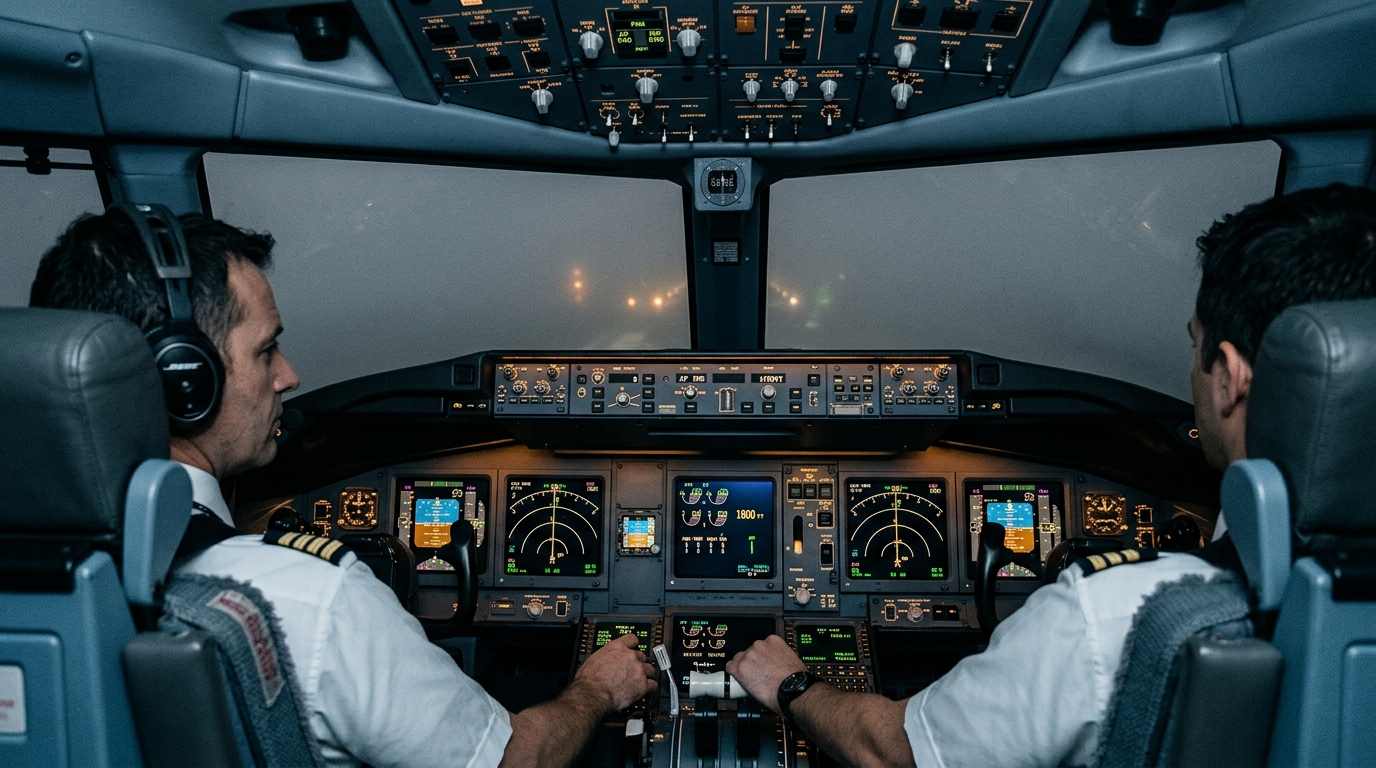
How do planes land when pilots can't see the runway through thick fog? This video explains the Instrument Landing System (ILS), autoland technology, and the different visibility categories that allow aircraft to safely touch down even in zero visibility conditions. You'll learn about decision heights, runway visual range requirements, and why the pilot's role remains critical even when the autopilot is landing the plane. Chapters: 00:00 Blind Landing 00:18 Autoland Myth 00:40 In zero visibility, the pilot's role shifts from 01:03 The First Blind Landing 01:25 The ILS provides precision guidance even when th 01:48 Following the Invisible Ramp 02:08 The Visibility Ladder 02:30 The Visibility Ladder 02:48 CAT I: 200 ft, 550m RVR 03:05 CAT II: Lower, Closer 03:21 In zero visibility, the pilot's role shifts from 03:38 When the Plane Lands Itself 03:59 pilot's role shifts from manual flying to system 04:15 Infrastructure Matters 04:32 50 meters of visibility 04:50 Fog's Hidden Danger 05:05 The critical need for standard phraseology and l 05:20 The Human Factor 05:36 Visual Lifelines 05:58 Approach lights provide visual cues for alignmen 06:19 A Visual Corridor 06:40 When ILS Fails 07:00 The Real Backup 07:21 The Radio Highway 07:45 Signal Interference 08:08 The Decision Height 08:30 Go-Around Procedure 08:53 Crew Coordination 09:15 Training for the Worst 09:39 The final decision Sources & further reading: • ICAO Annex 10: Aeronautical Telecommunications — https://www.icao.int • FAA Instrument Landing System (ILS) Standards — https://www.faa.gov • NTSB Report on Tenerife Disaster — https://www.ntsb.gov • NATS Low Visibility Procedures at Heathrow — https://www.nats.aero • EASA Certification Specifications for Autoland — https://www.easa.europa.eu • IATA Operational Safety Audit — https://www.iata.org
From the video


More from Wings & Wrecks
Where Lightning Goes When It Hits an Airliner

Vasa Ship Stability Test That Proved She Would Capsize
The Ferry That Capsized in a Calm Harbor

WOULD YOU SEE THE TAPE?

WHY IS YOUR WINDOW ROUND?

How SS El Faro's Engine Stopped in a Hurricane
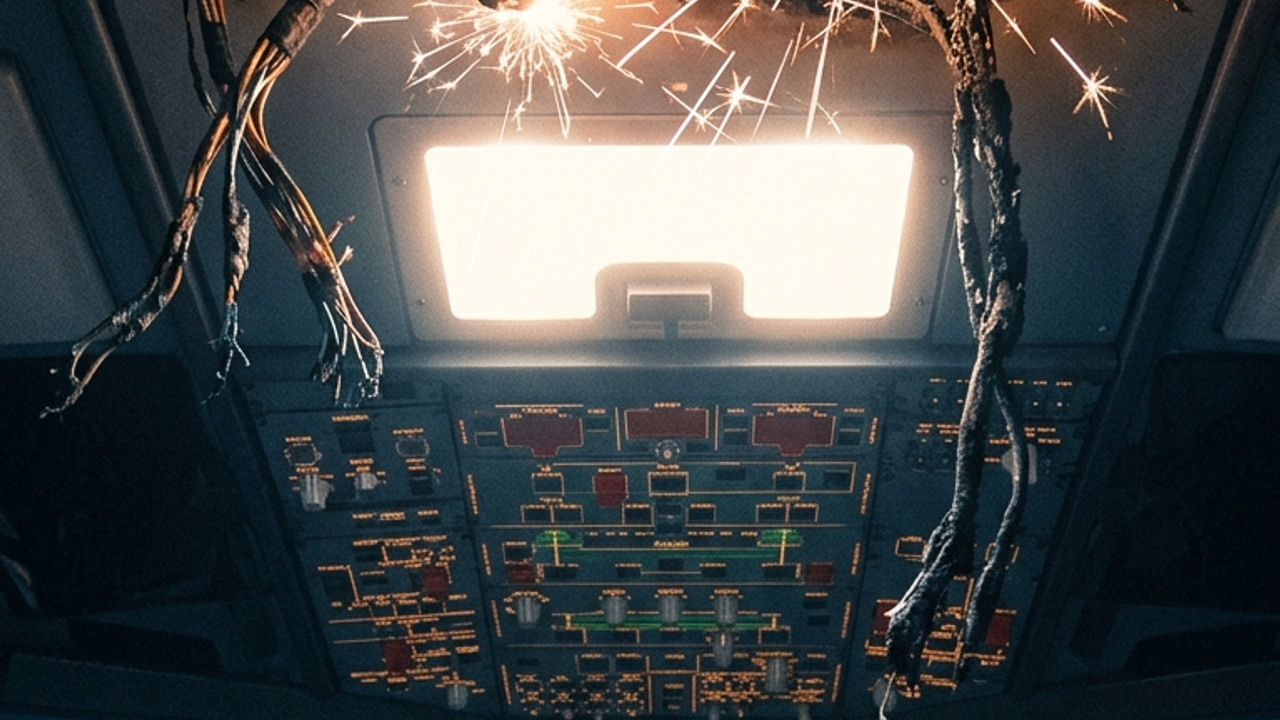
Swissair 111 Fire: Why Smoke Above the Cockpit Was Unstoppable