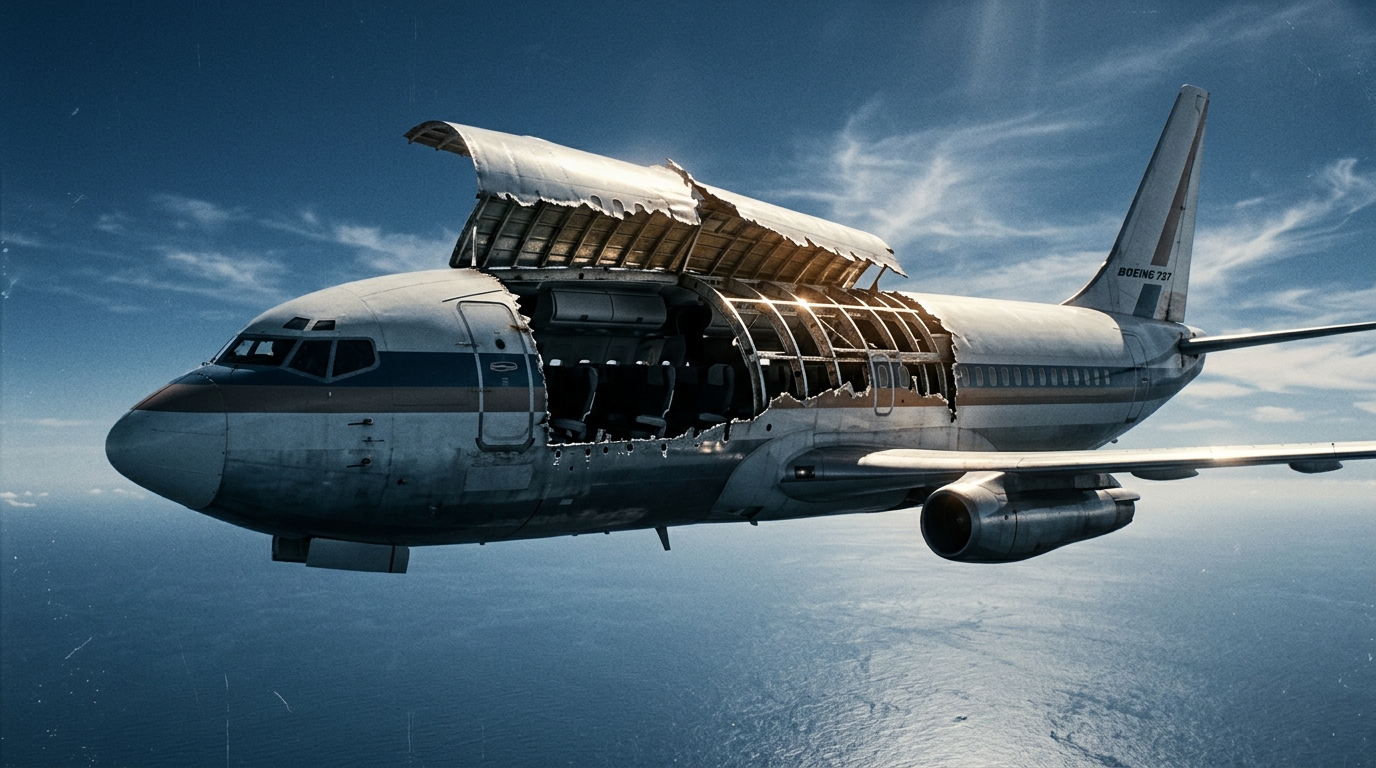
The 737 That Split Open at 24,000 Feet
About this video
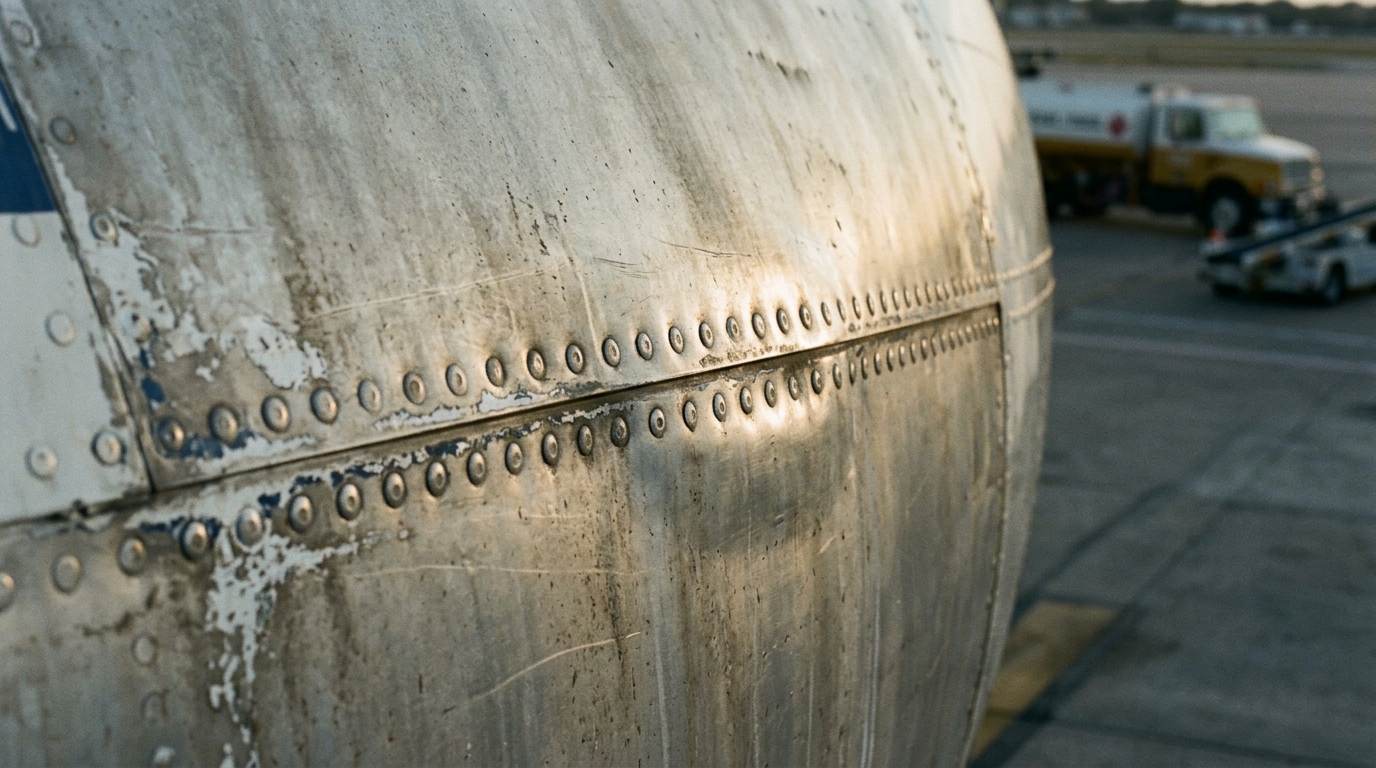
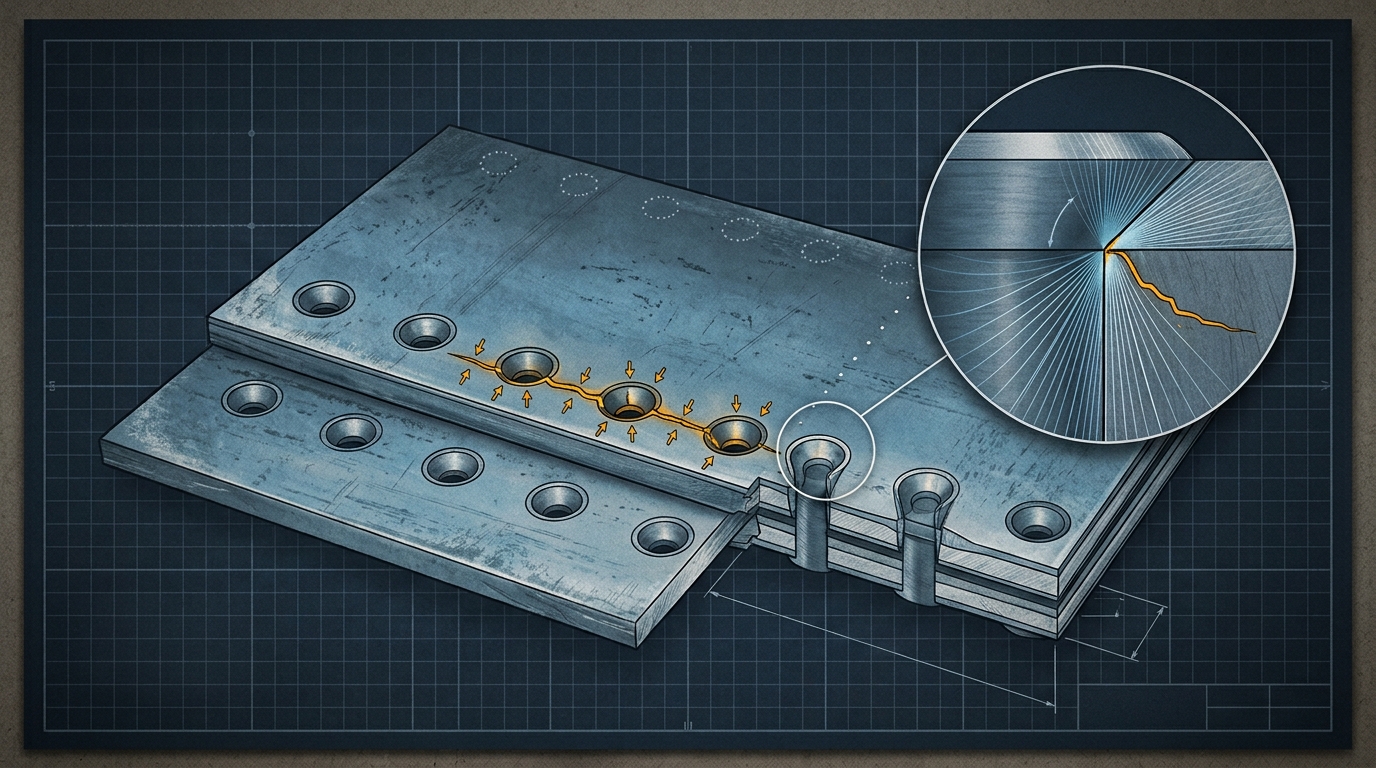
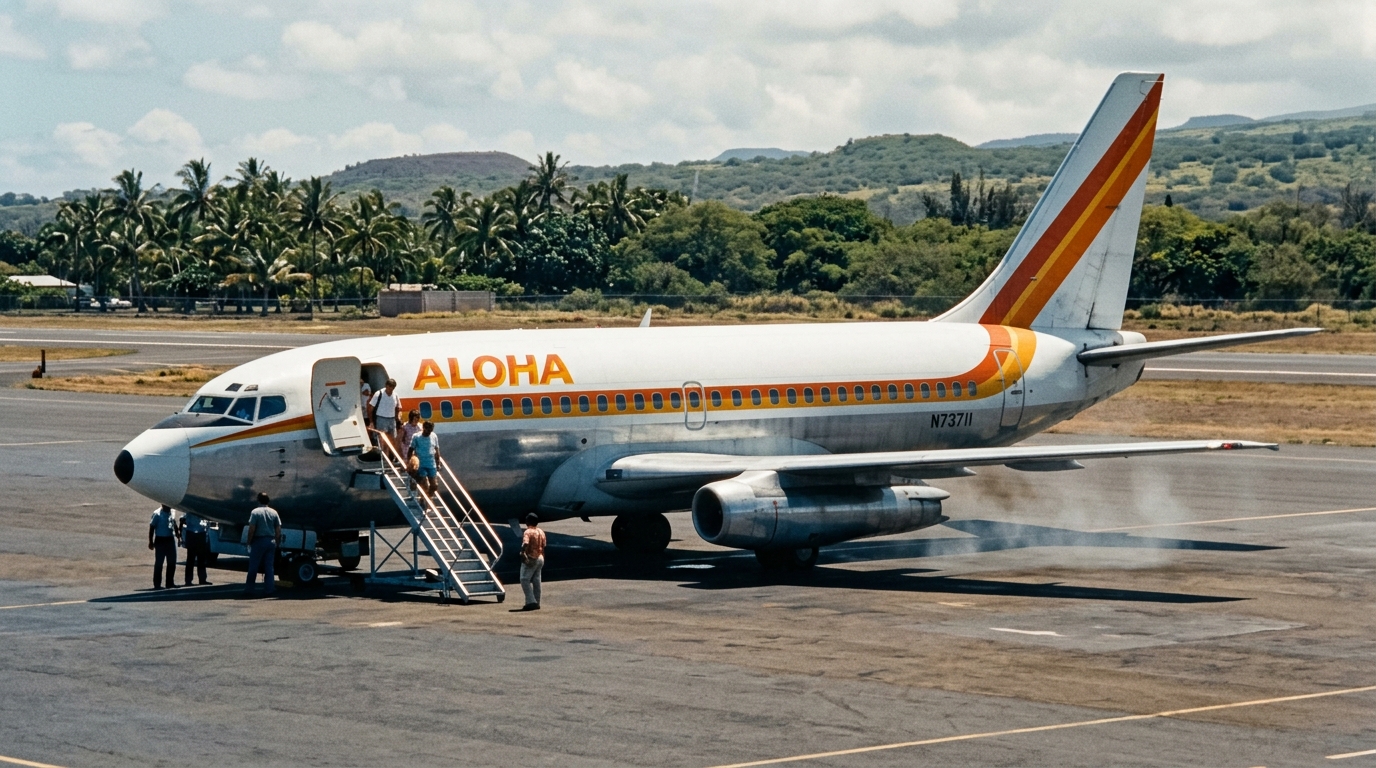
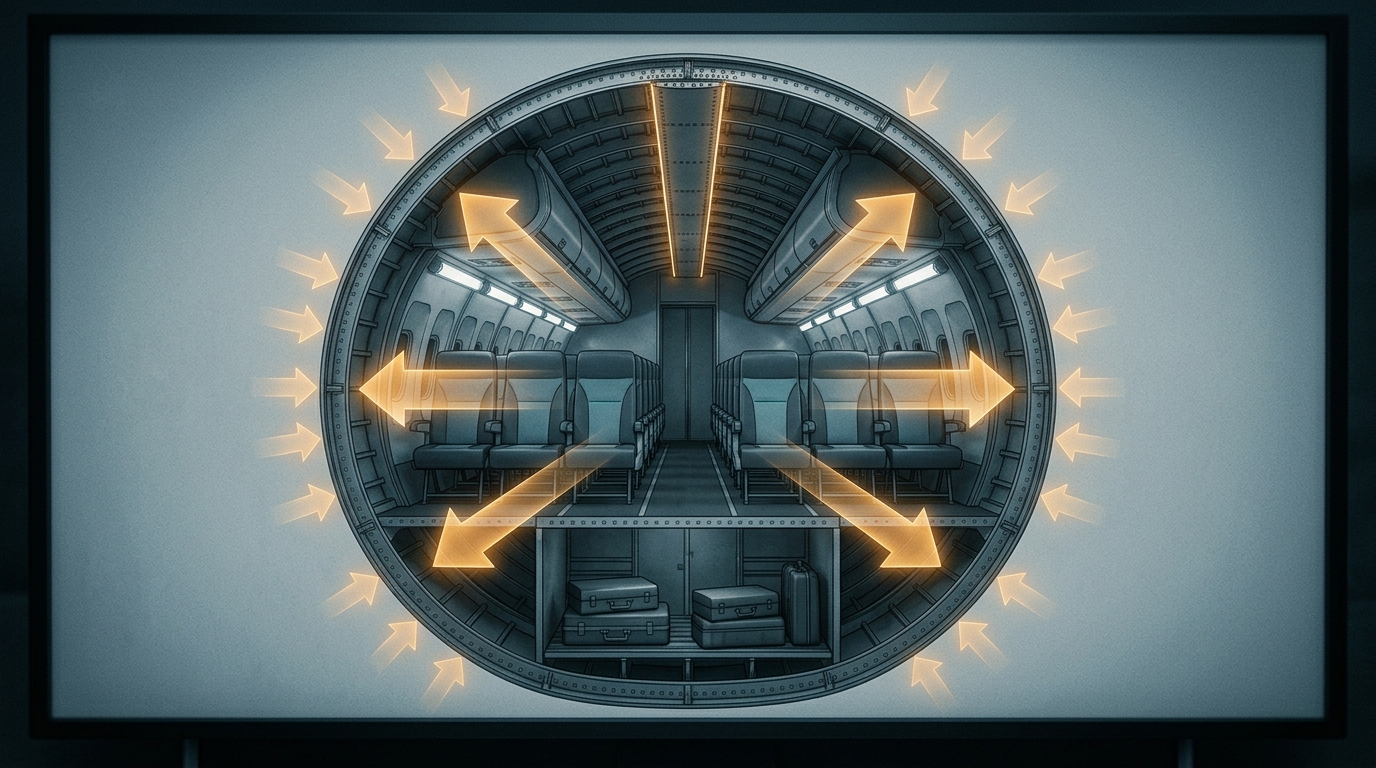
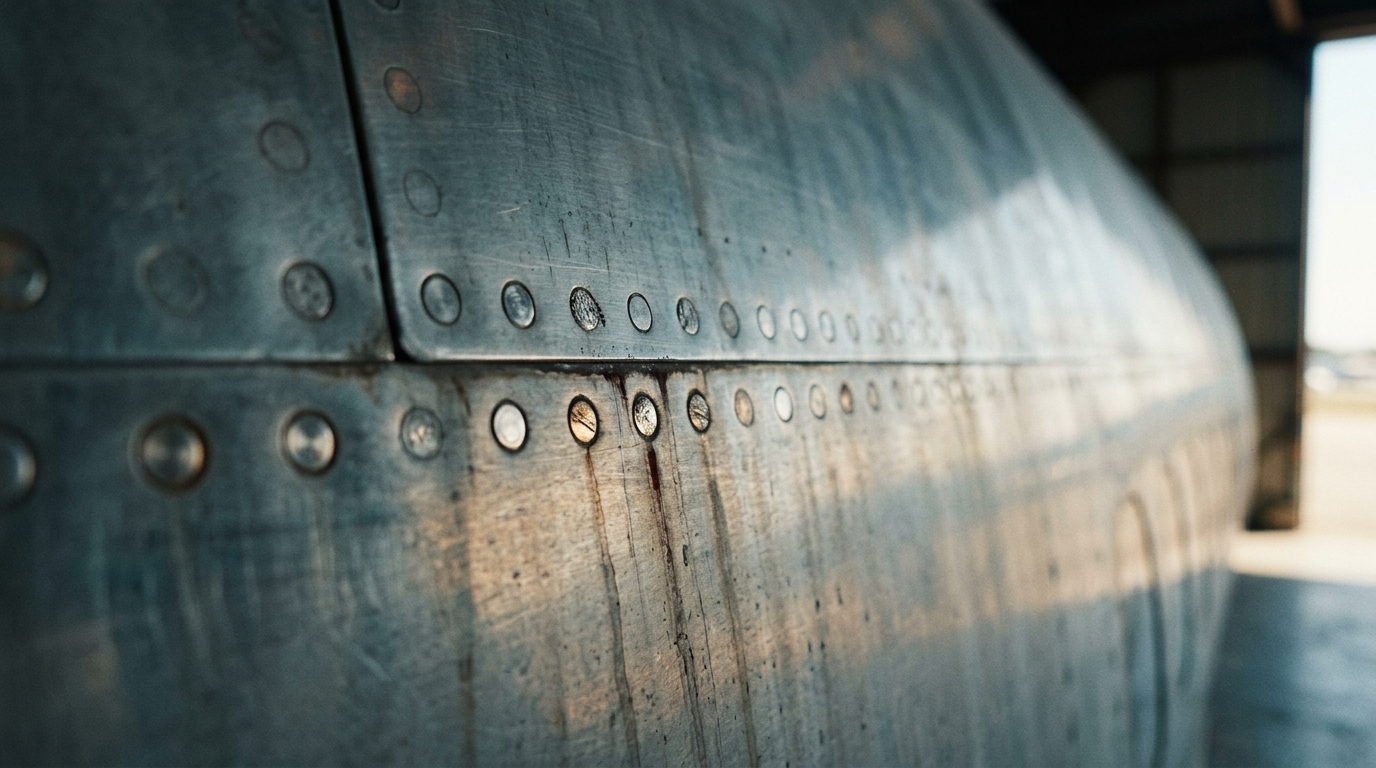
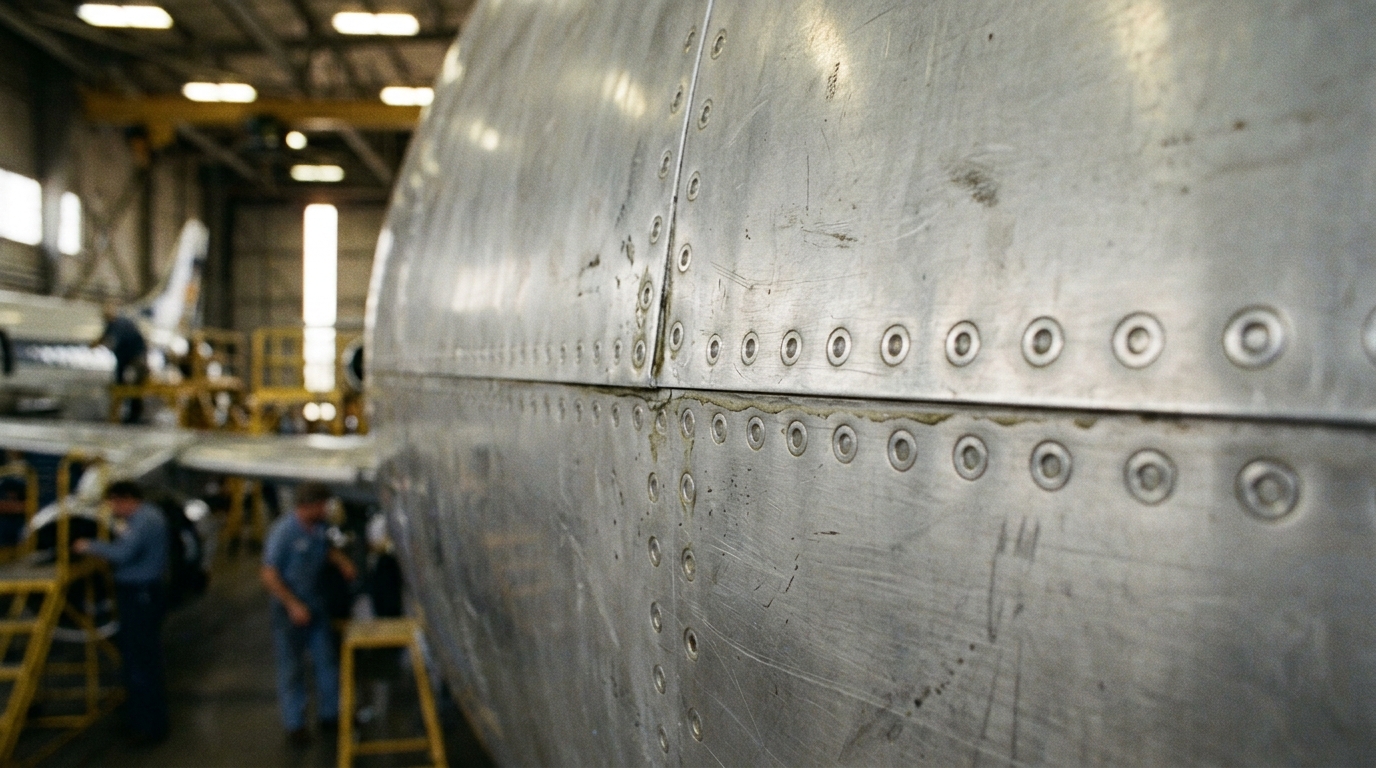
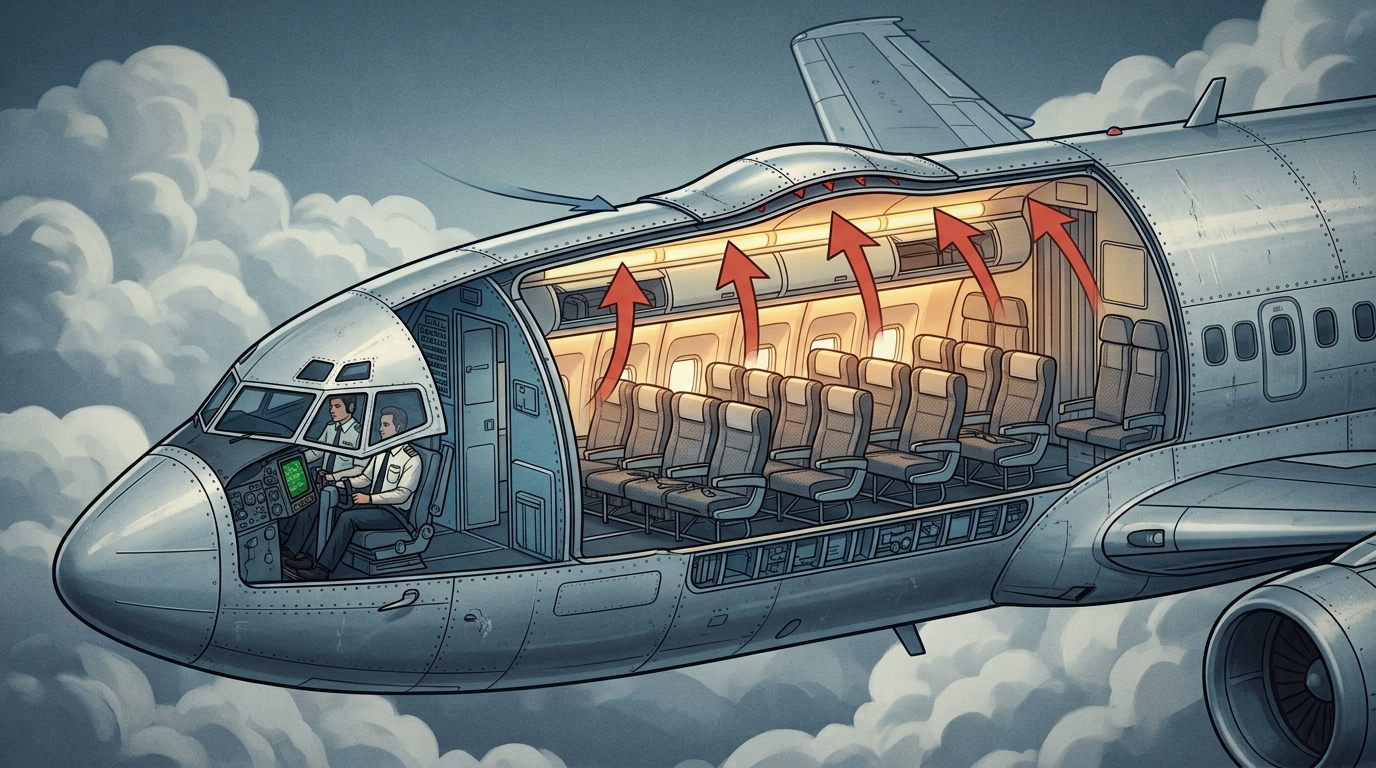
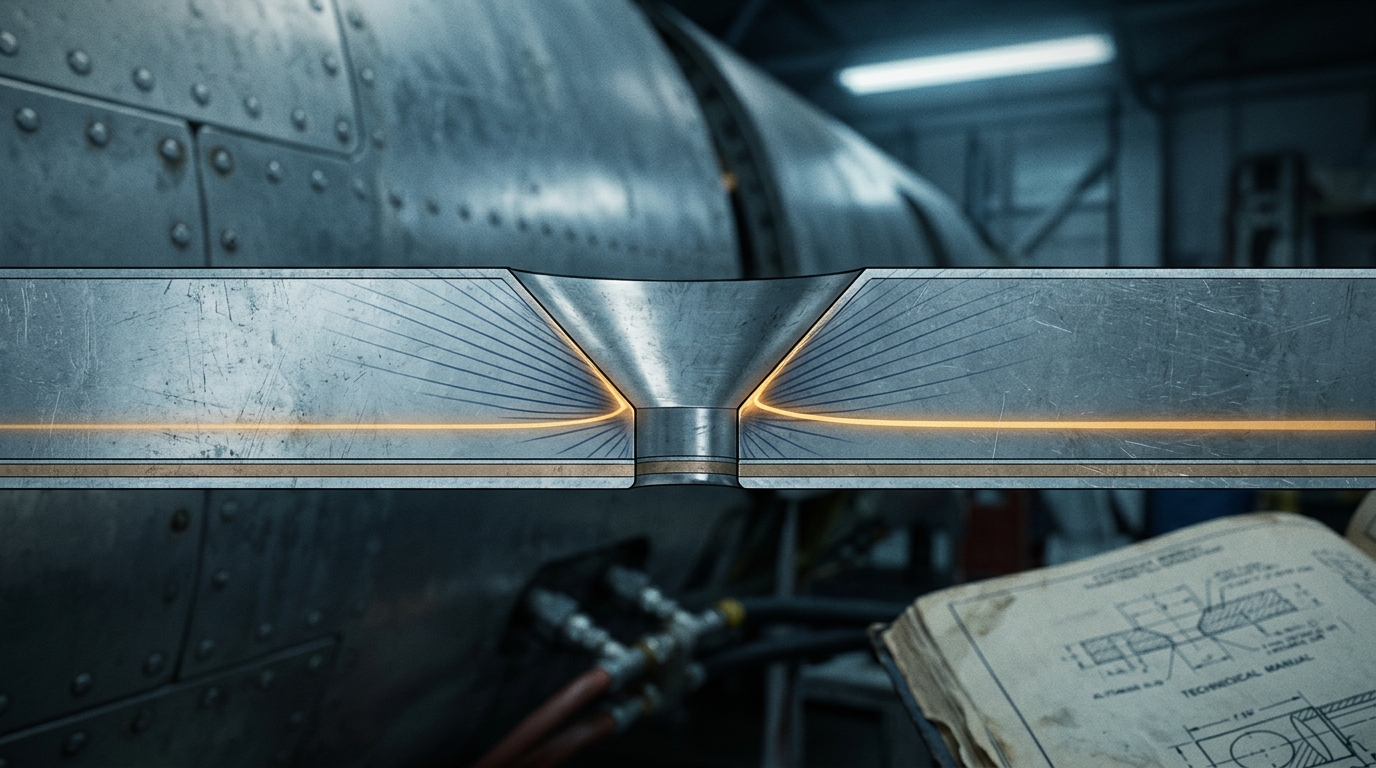
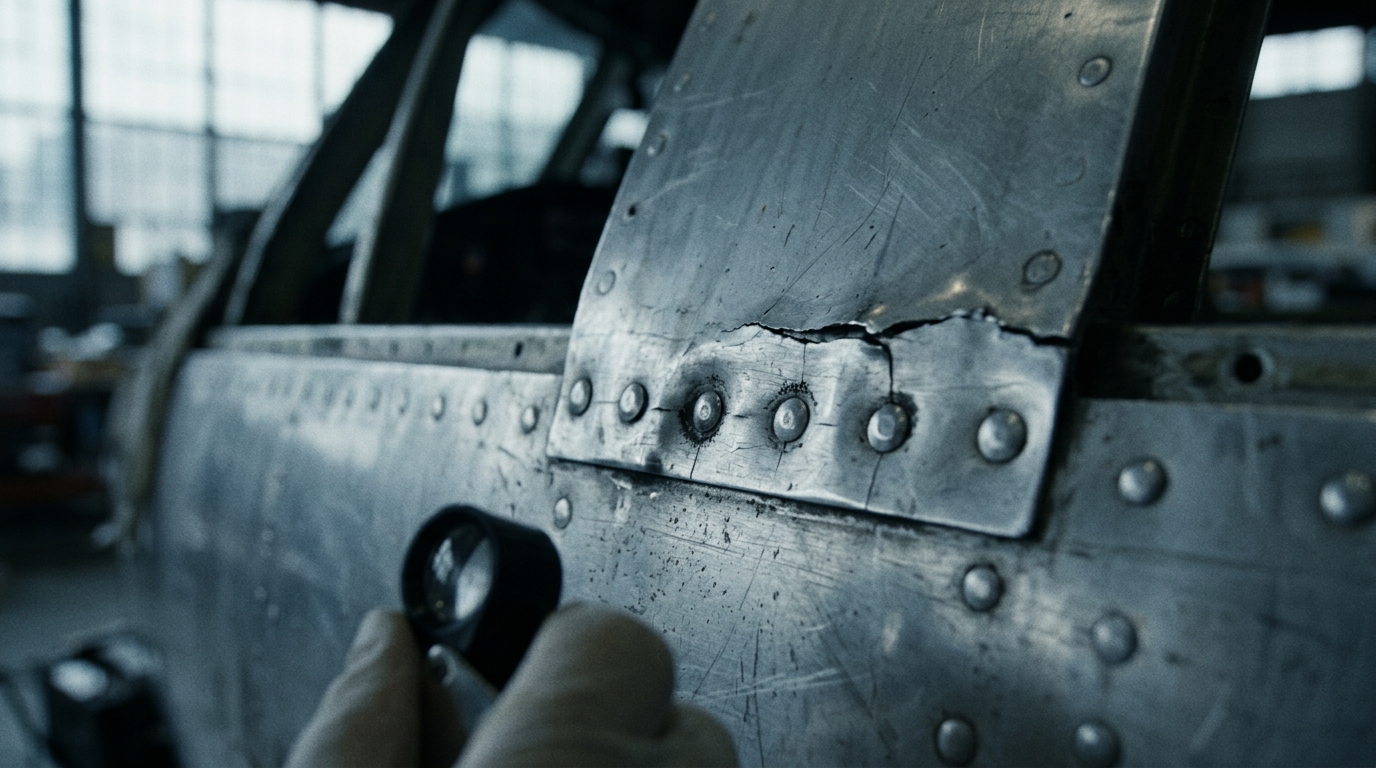
Aloha Airlines Flight 243 lost its cabin roof at 24,000 feet when a lap joint on a 19-year-old 737 finally failed. This is the story of how 89,000 pressurization cycles turned riveted aluminum into a zipper, and why the disaster reshaped how every aging airliner is inspected today. Chapters: 00:00 The 737 That Split Open at 24,000 Feet 00:27 A Joint You'd Never Notice 00:43 The Most Ordinary Airplane in the Fleet 01:18 One Seam Carried the Load 01:34 The fuselage as a balloon 02:03 Where the load has nowhere to go 02:35 A flaw drawn into the design 03:01 The knife edge concentrated stresses that were t 03:26 The Failure Was Designed In 03:55 Mid-bay cracks ran longest 04:17 Cracking Adjacent to Nearly Every Hole 04:52 The failure of the Aloha Airlines maintenance pr 05:22 The Warning Aloha Already Had 05:38 From fixed life to found damage 06:07 The Rulebook Changed After 243 Sources & further reading: • NTSB Aircraft Accident Report AAR-89/03: Aloha Airlines Flight 243 — Official probable cause and findings on lap joint failure, fatigue cracking, and maintenance program deficiencies. • FAA Lessons Learned: Boeing 737-200, Aloha Airlines Flight 243 (N73711) — https://www.faa.gov/lessons_learned/transport_airplane/accidents/N73711 • NTSB Safety Recommendation Letter A-89-70-72 — https://www.ntsb.gov/safety/safety-recs/recletters/A89_70_72.pdf • Admiral Cloudberg, 'Falling to Pieces: The near crash of Aloha Airlines flight 243' — https://admiralcloudberg.medium.com/falling-to-pieces-the-near-crash-of-aloha-airlines-flight-243-18f28c03f27b • 14 CFR §25.571 — Damage Tolerance and Fatigue Evaluation of Structure — Federal regulation mandating damage-tolerance design philosophy. • USAF Damage Tolerance Design Handbook — https://www.afgrow.net/applications/dtdhandbook/sections/page1_0.aspx
From the video

More from Wings & Wrecks

Doors Open
346 dead in 77 seconds: The DC-10 door that doomed a flight

Supertanker snaps in half without warning

15 Seconds to Put Your Mask On

The physics of a ship hitting a bridge: 1.5 gigajoules of force

Why Pilots Land Too Heavy on Purpose
Where Lightning Goes When It Hits an Airliner