The Day an Airliner Ran Out of Fuel at 41,000 Feet
About this video
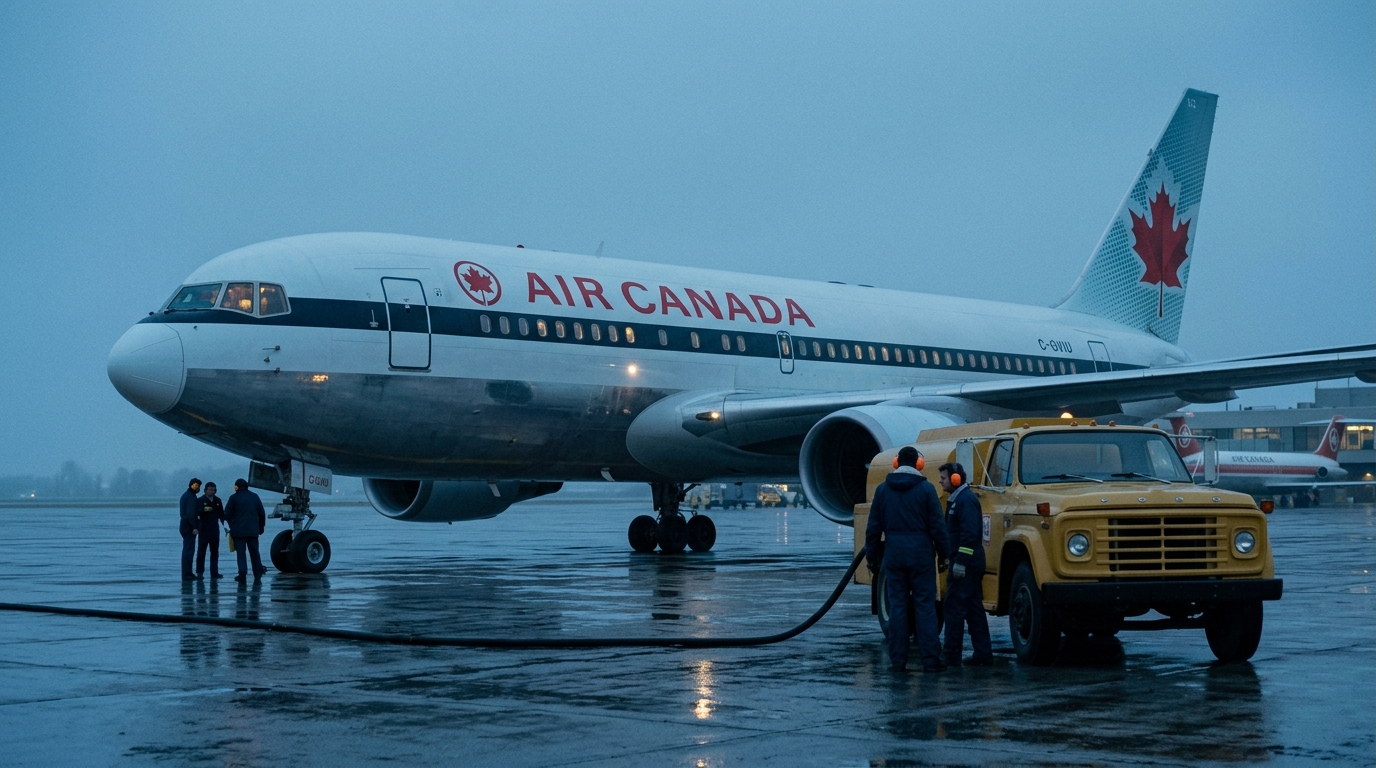
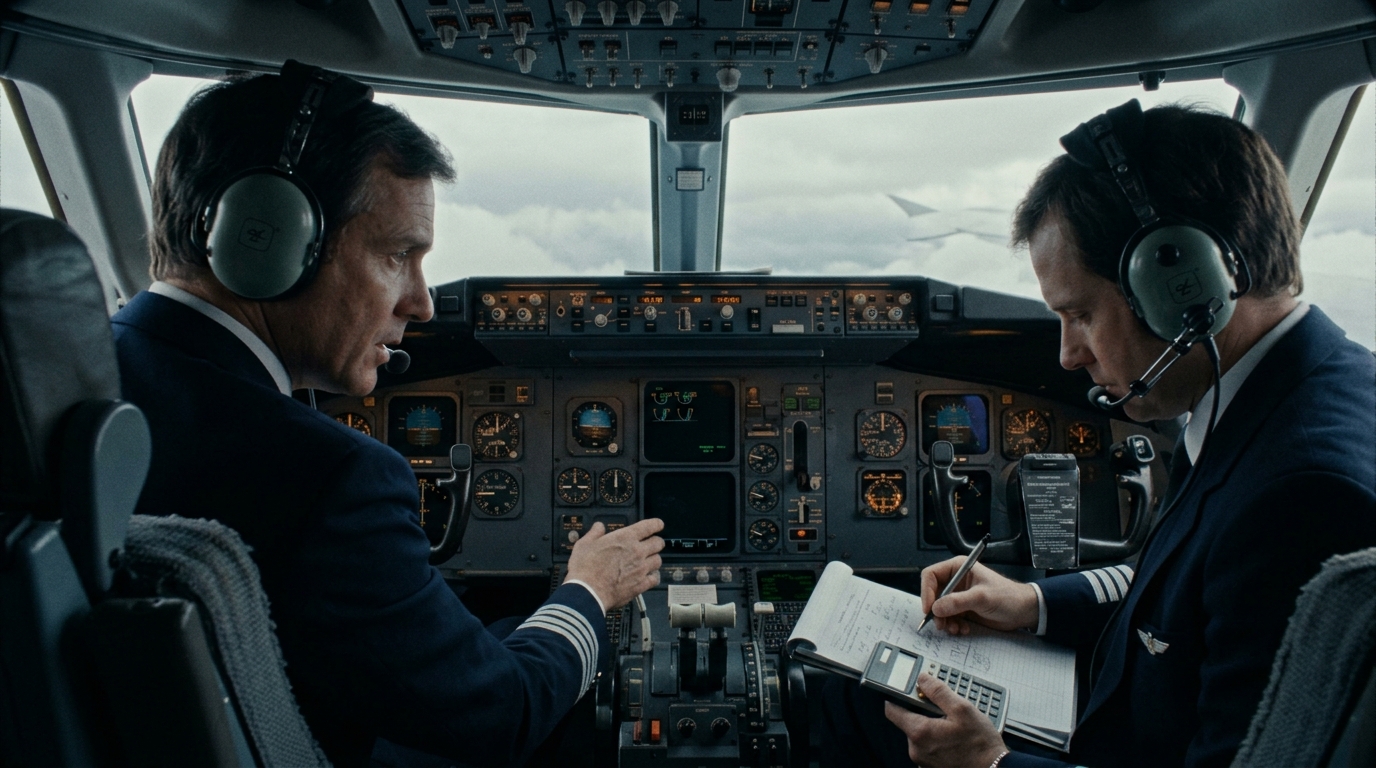
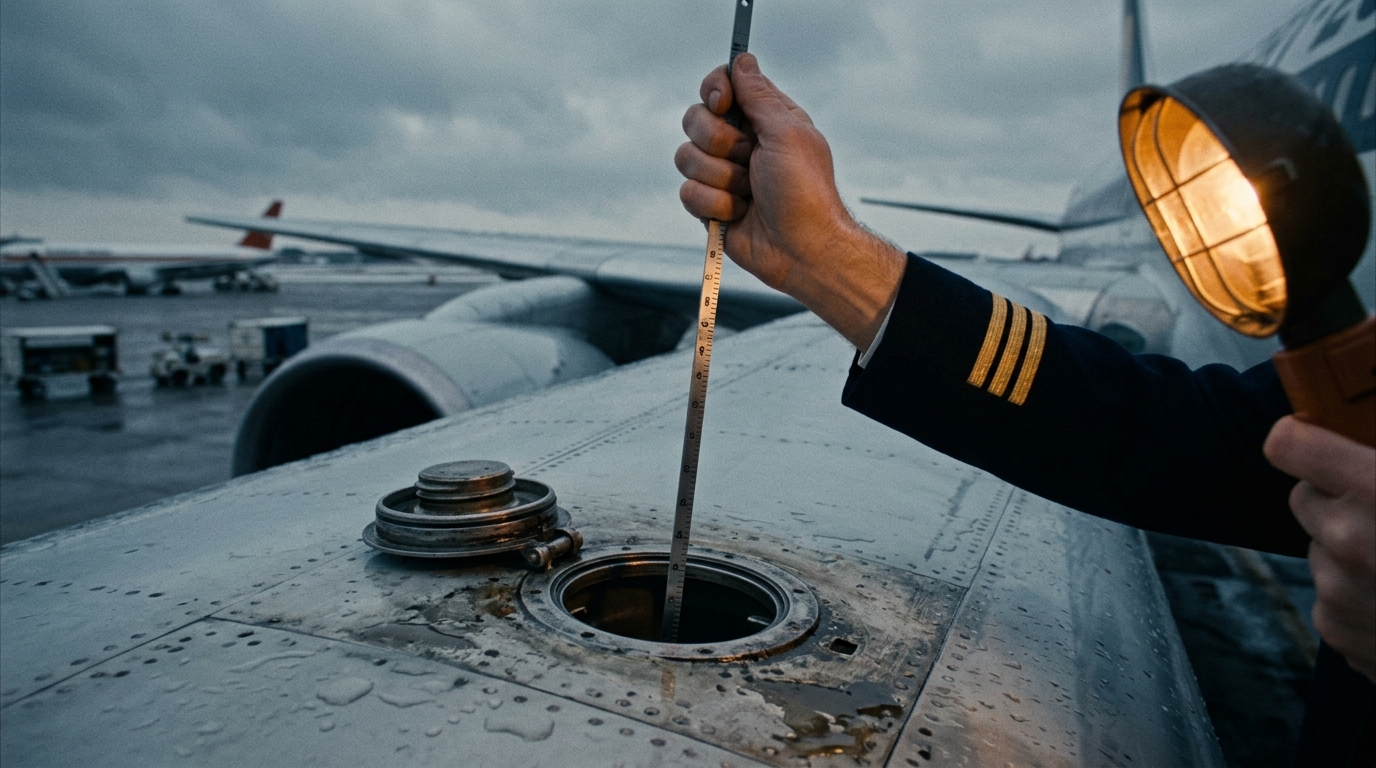
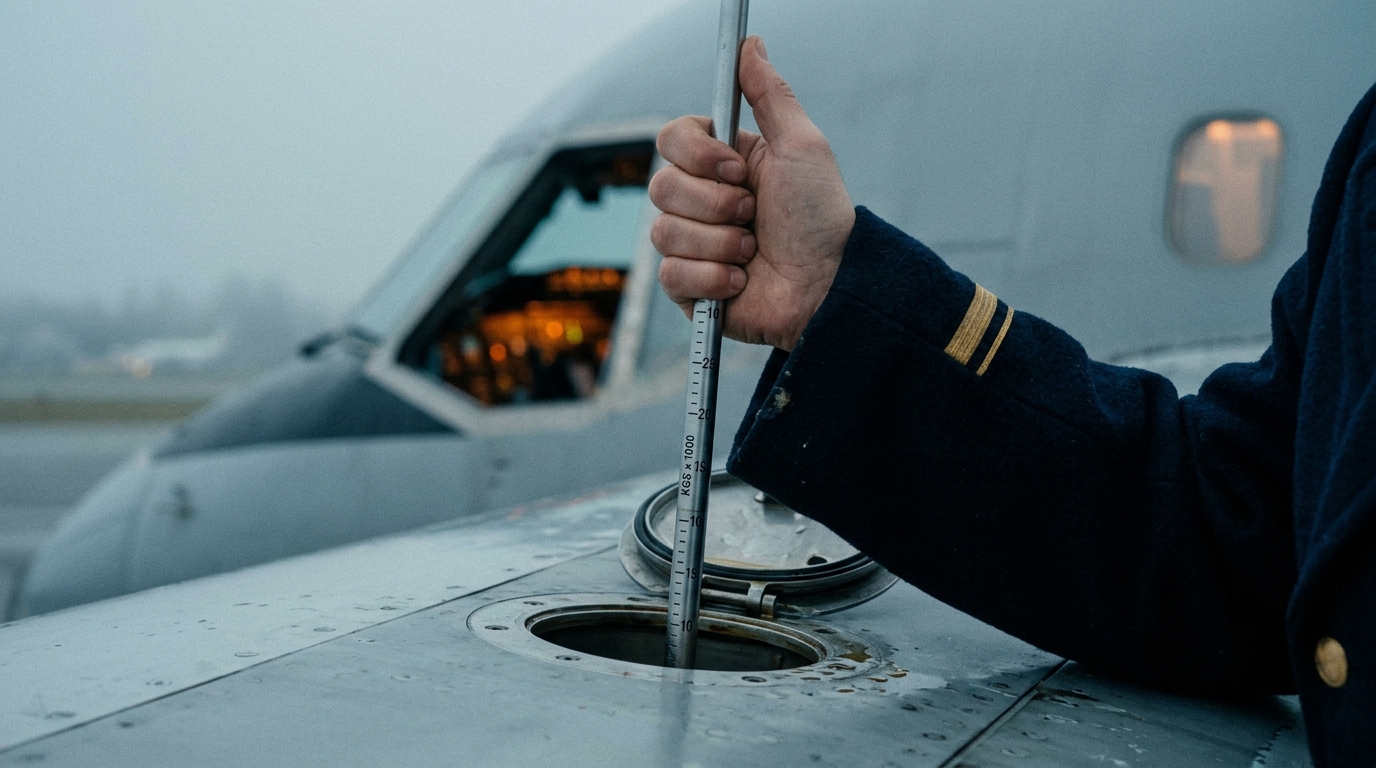
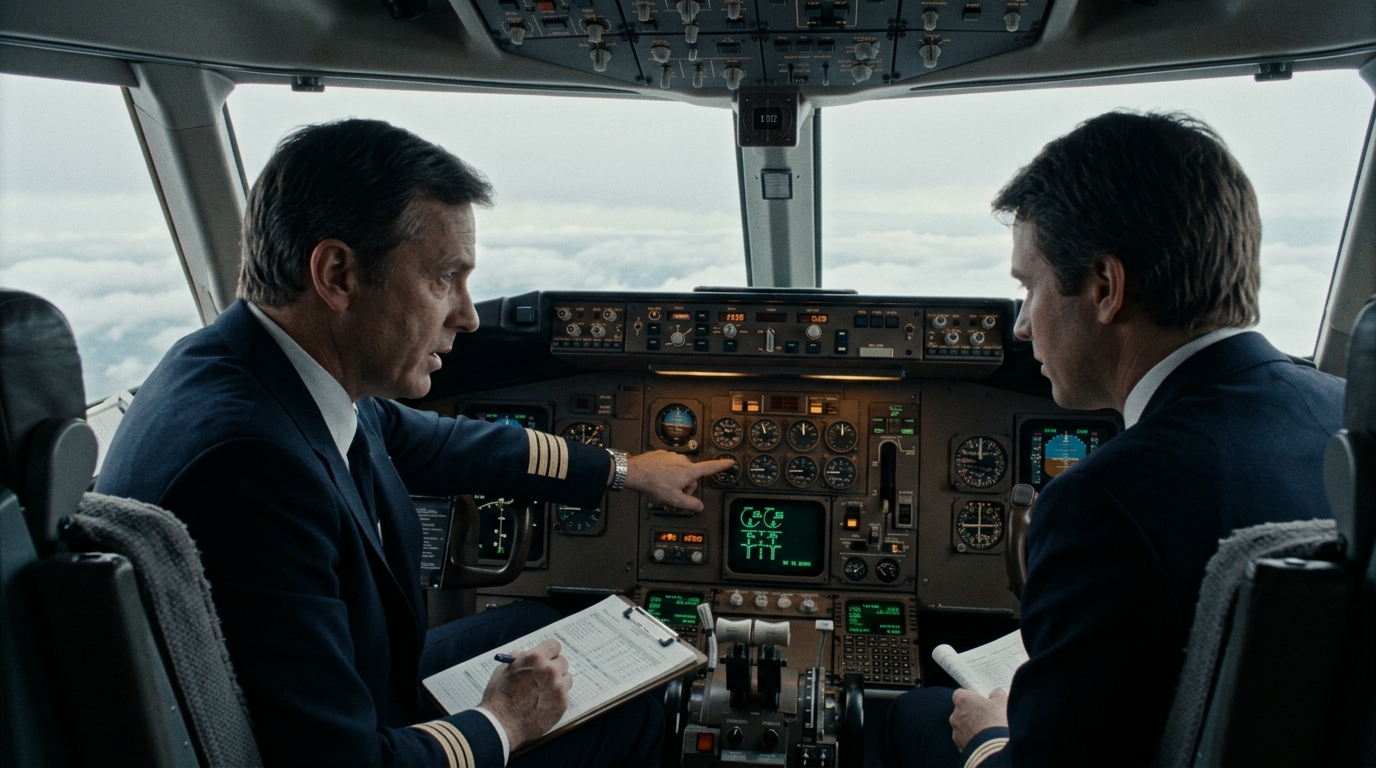
In this aviation investigation, we break down the Gimli Glider incident, where Air Canada 143 ran out of fuel at 41,000 feet due to a metric-imperial unit mix-up. Discover how a simple conversion error turned a modern airliner into a glider, and why every redundant safeguard failed. Learn the real lesson about systems and human factors that still matters today. Chapters: 00:00 The silent emergency 00:18 A New Aircraft, a Hidden Flaw 00:31 A Simple Error, a Fatal Chain 00:45 20,400 kg vs. 10,000 kg 00:59 The climb begins 01:12 Redundancy defeated 01:23 20,400 kg vs. 10,000 kg 01:37 The silence began 01:49 A 17-minute glide 02:03 A drag strip runway 02:21 Why did no one catch it? 02:40 The most dangerous error looks correct. 02:52 The Silent Cockpit 03:16 A Pilot's Quick Thinking 03:40 The Fuel Gauge Failure 03:59 The Dripstick Procedure 04:17 The Wrong Conversion 04:36 A Plausible Number 05:00 The First Warning 05:24 The Flameout 05:48 The Glide Begins 06:12 Finding a Landing Spot 06:30 The Landing 06:54 The aircraft was damaged but repairable 07:18 A Lasting Legacy 07:36 The Dripstick's Hidden Trap 08:05 A Warning Ignored 08:29 The Glider's Secret 08:54 17 Minutes of Flight 09:20 The Race Track Runway 09:49 The Sideslip Landing 10:15 The next silent error Sources & further reading: • Aviation Safety Network - Accident description — https://aviation-safety.net/database/record.php?id=19830723-0 • Transport Canada - Aviation Safety Letter — Canadian aviation authority's analysis and lessons learned from the incident. • Wikipedia - Gimli Glider — https://en.wikipedia.org/wiki/Gimli_Glider • The Gimli Glider: A Case Study in Human Factors — Academic and industry analyses of the human factors aspects. • Air Canada Flight 143 - Cockpit Voice Recorder Transcript — Transcript of the crew's communications during the emergency. • Boeing 767 Flight Crew Operations Manual — Reference for fuel system and procedures, illustrating the complexity of the systems involved.
From the video
More from Wings & Wrecks
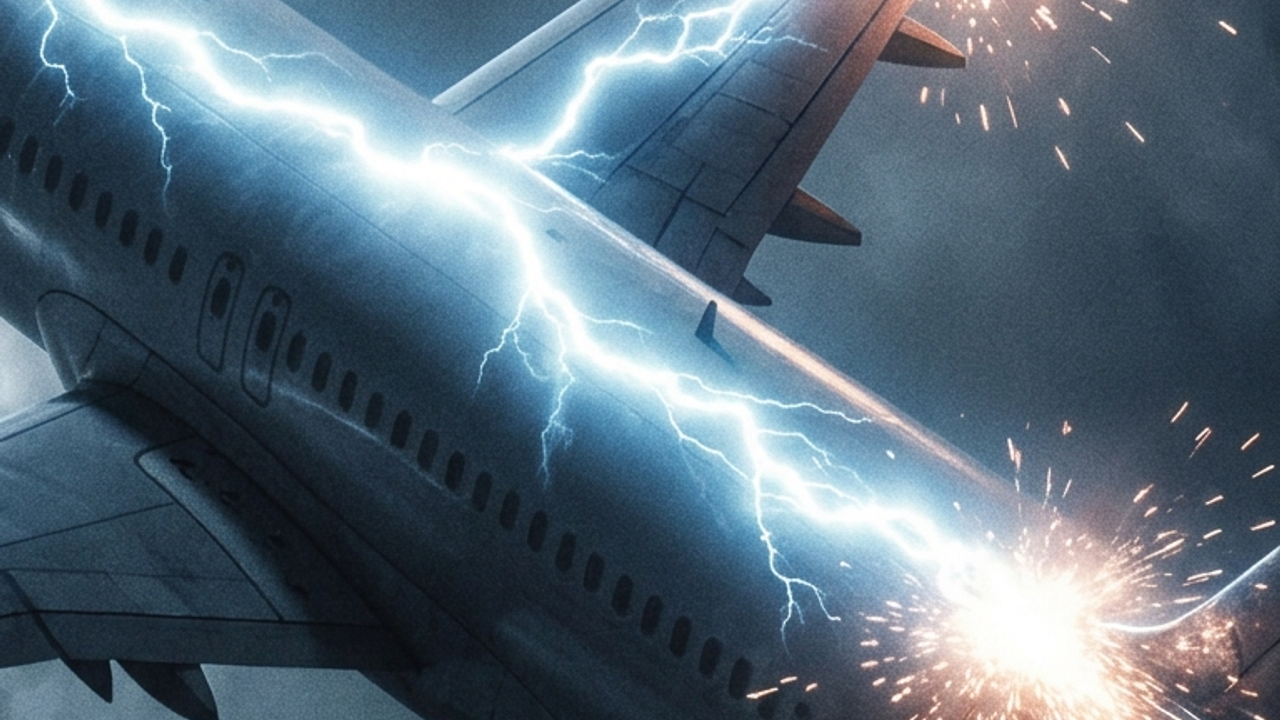
Where Lightning Goes When It Hits an Airliner
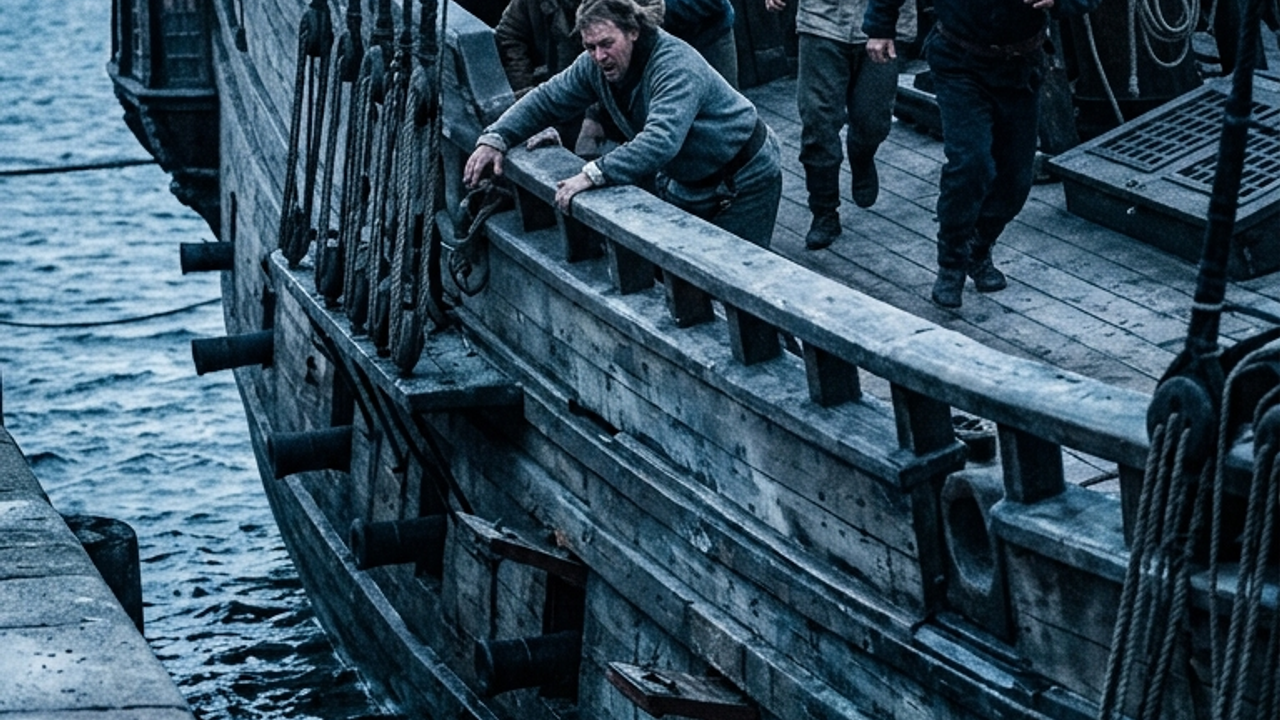
Vasa Ship Stability Test That Proved She Would Capsize
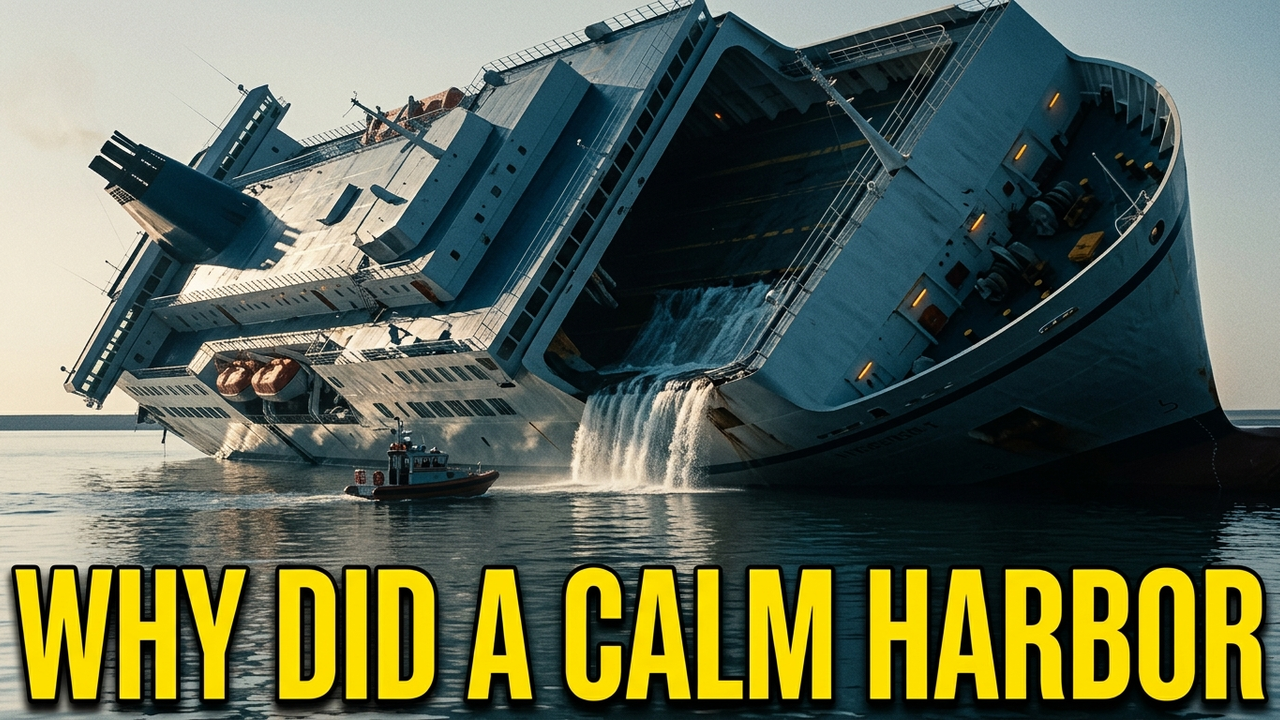
The Ferry That Capsized in a Calm Harbor
WOULD YOU SEE THE TAPE?
WHY IS YOUR WINDOW ROUND?
How SS El Faro's Engine Stopped in a Hurricane
Swissair 111 Fire: Why Smoke Above the Cockpit Was Unstoppable