The Ship That Broke in Half at Sea
About this video
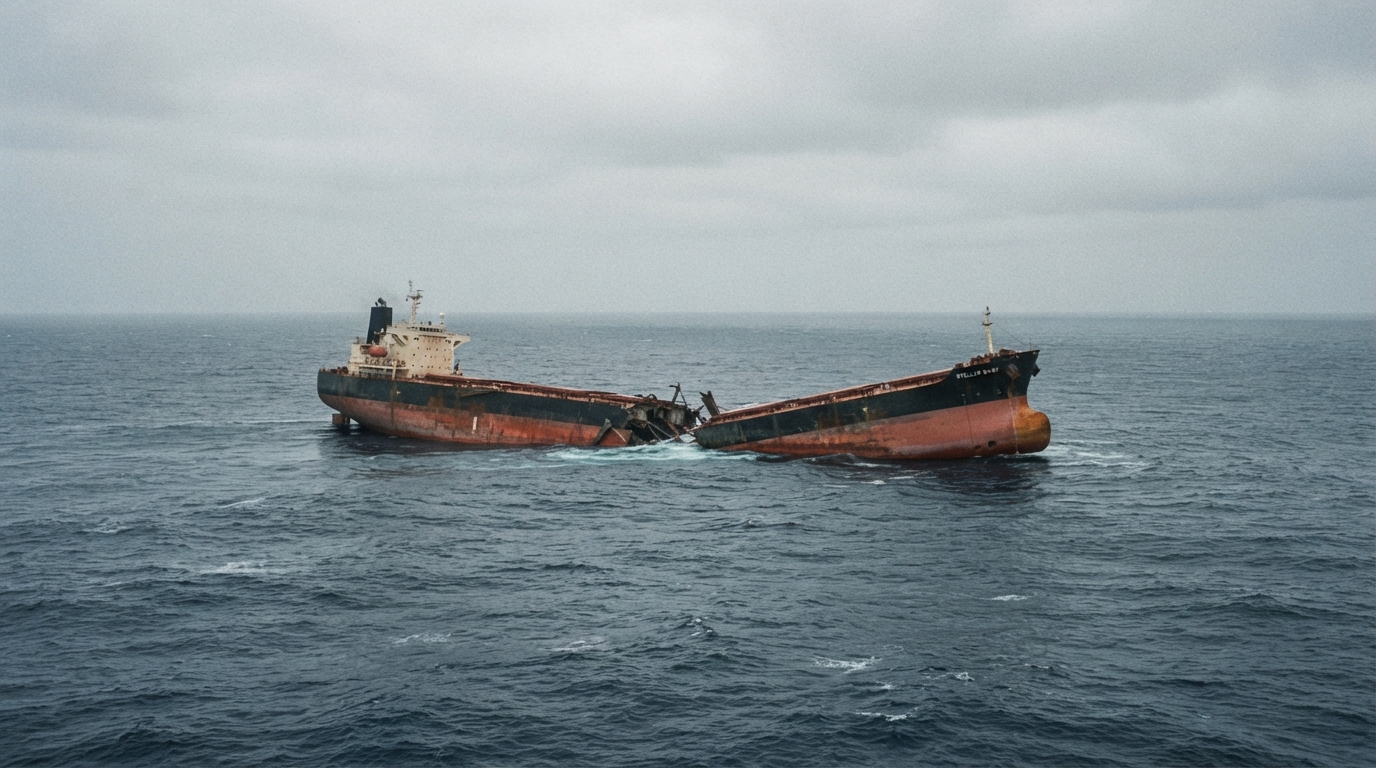
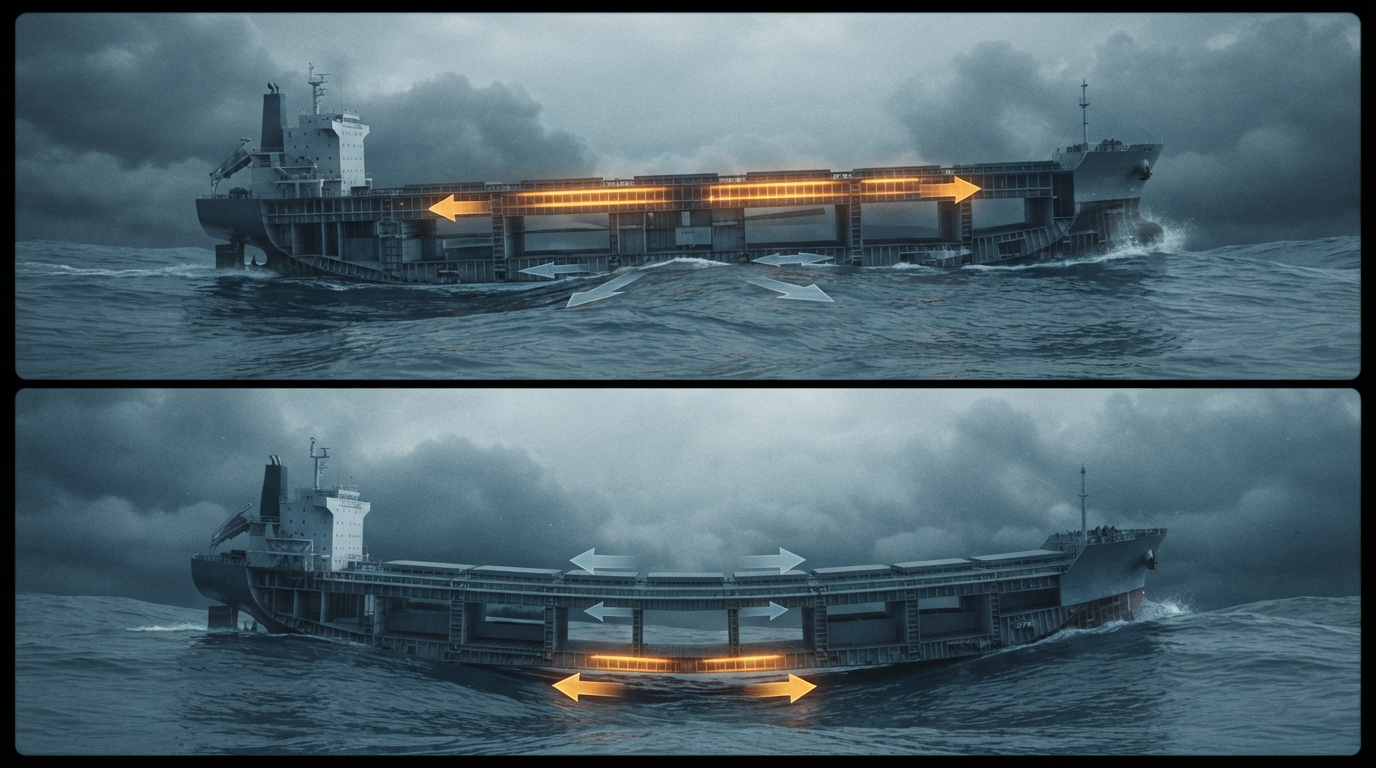
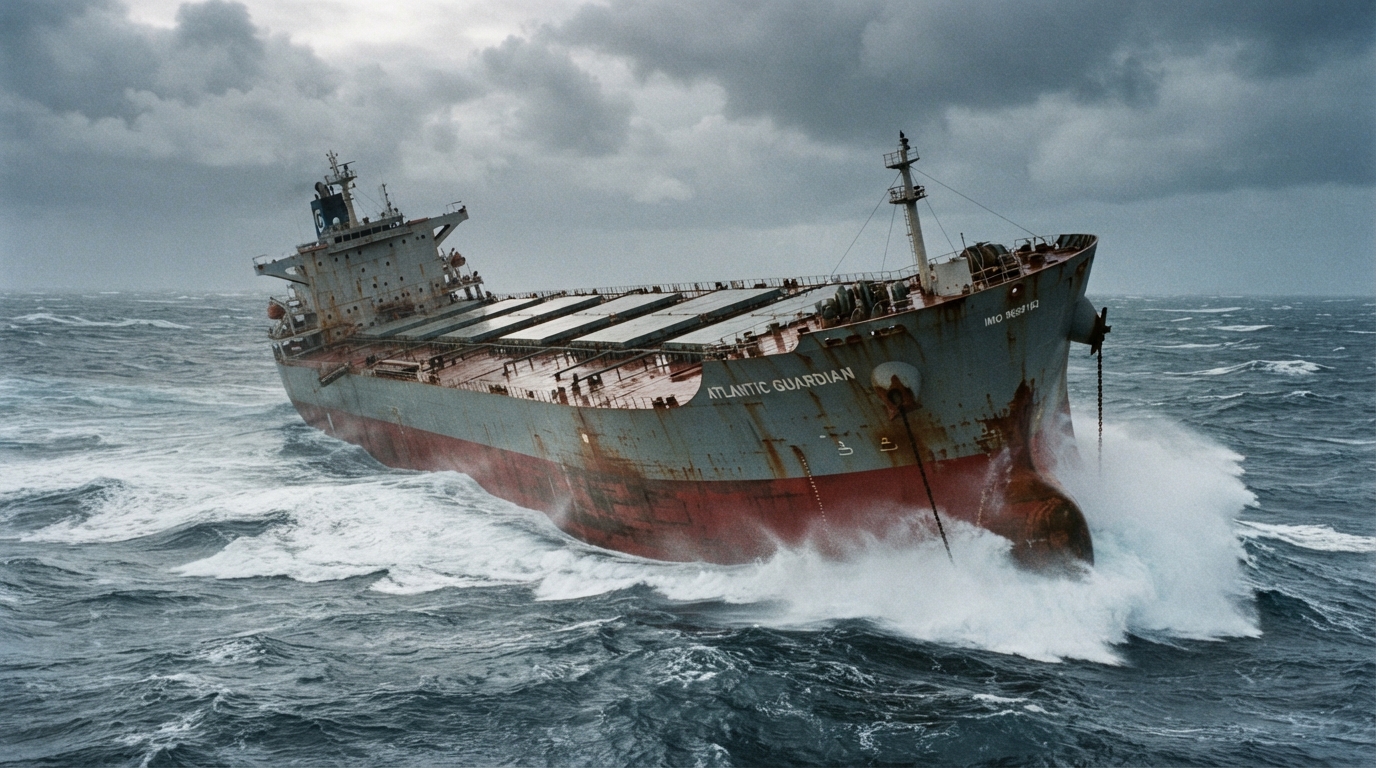
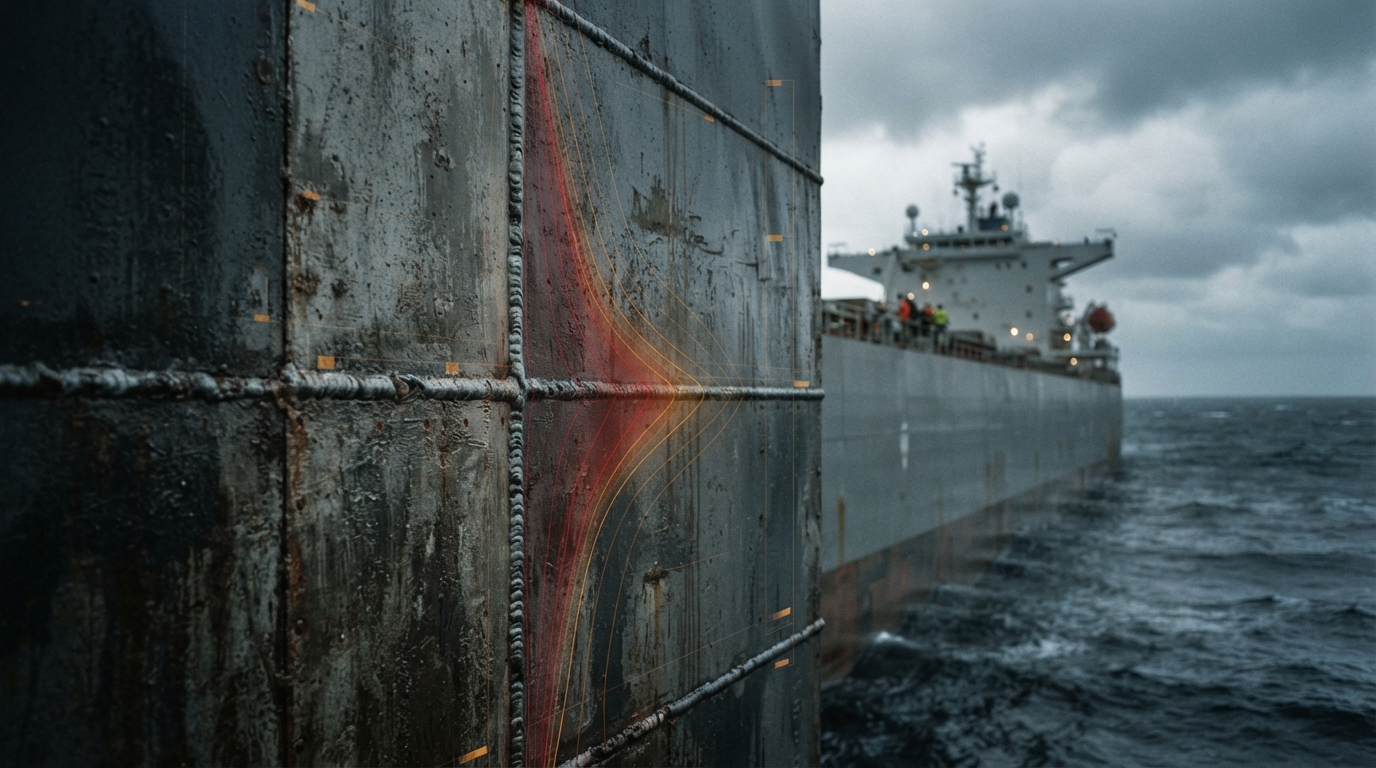
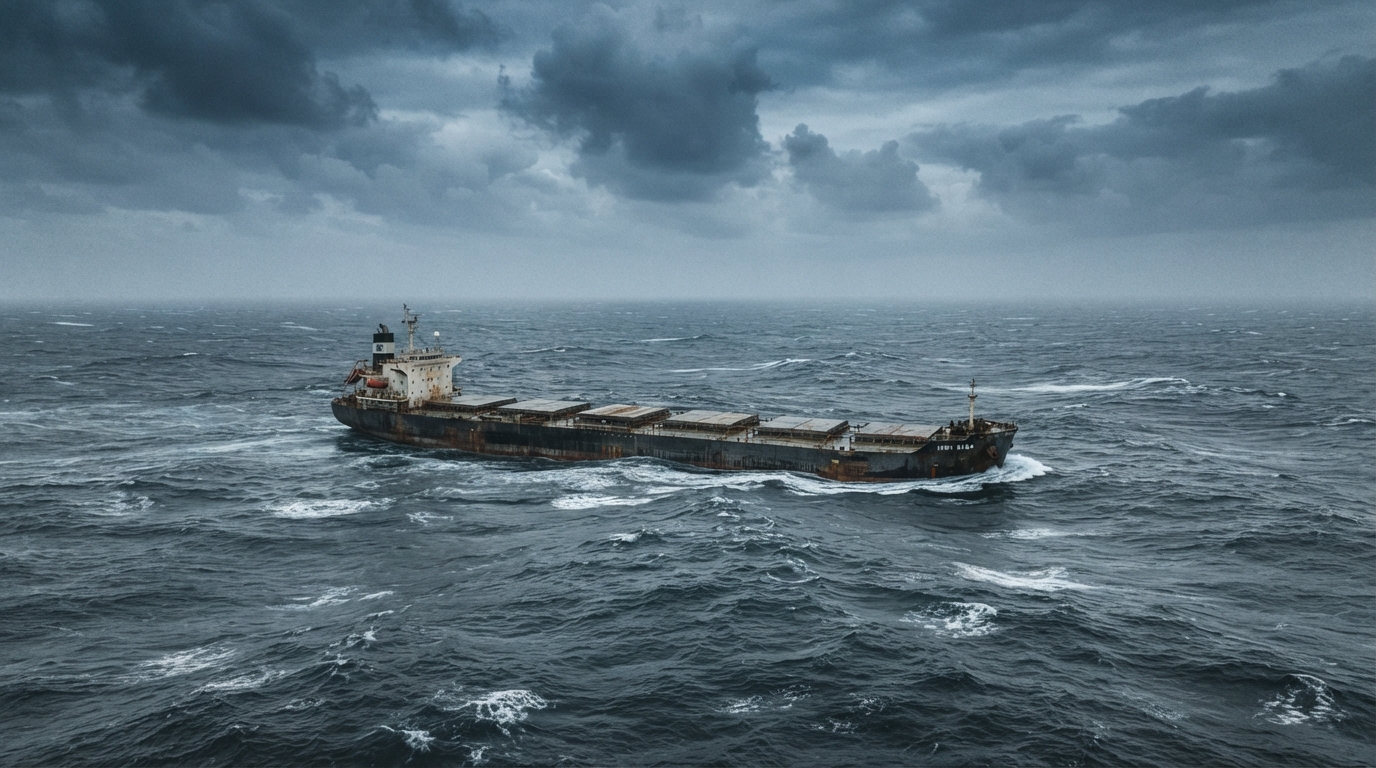
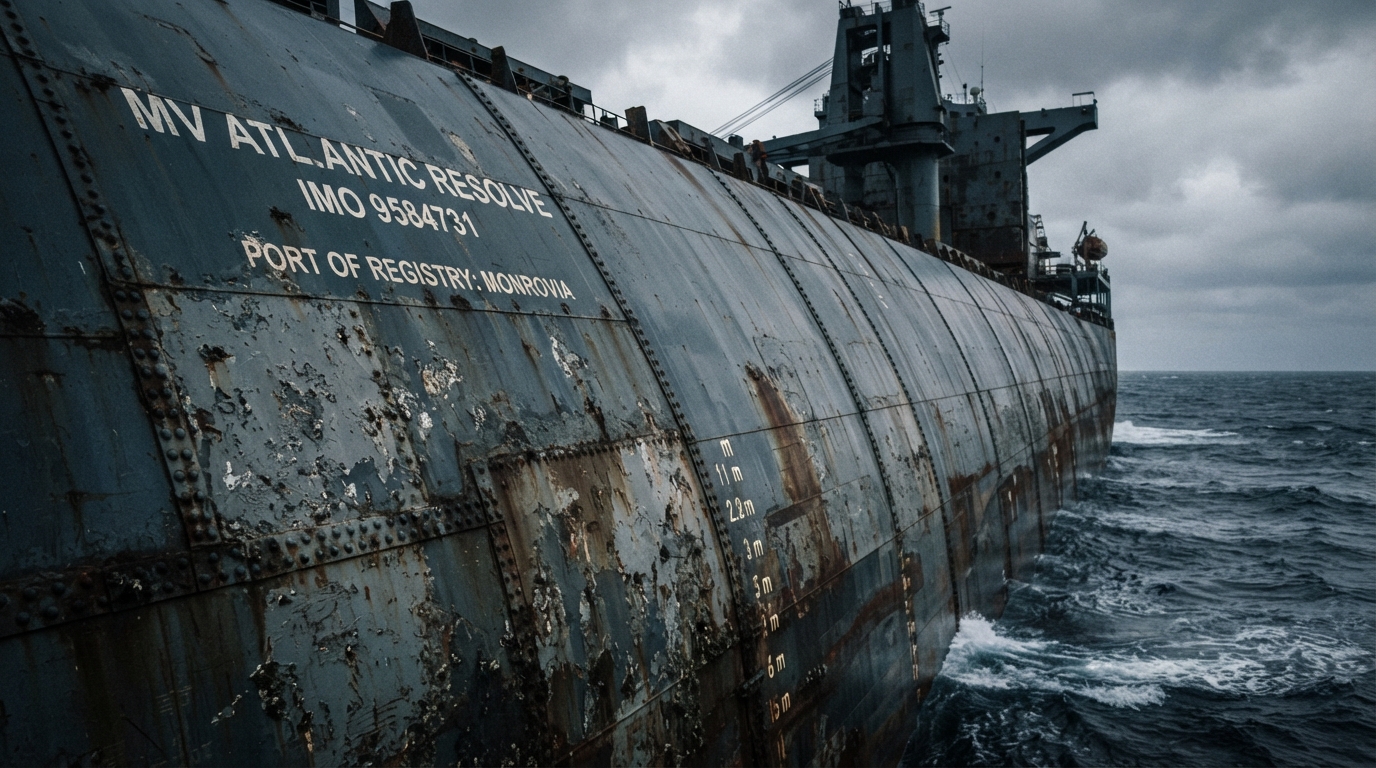
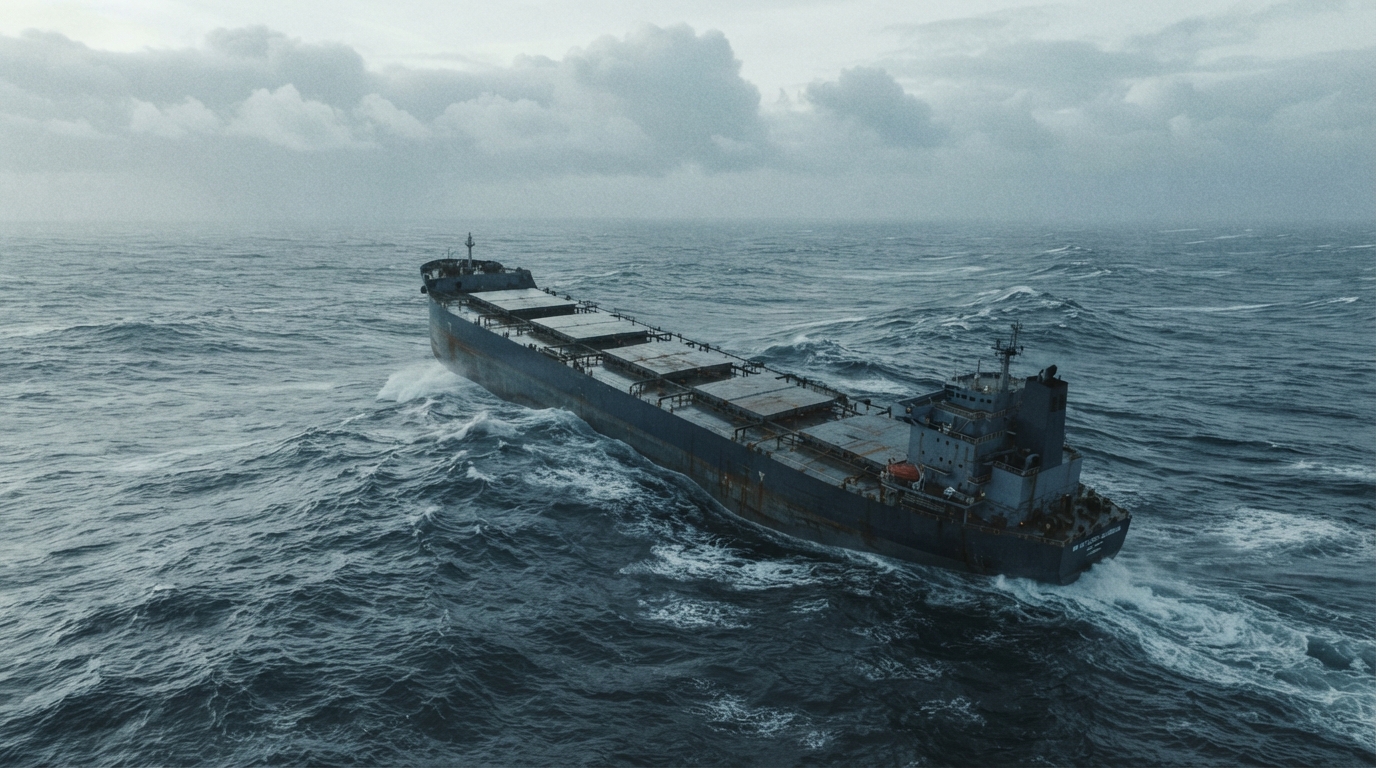
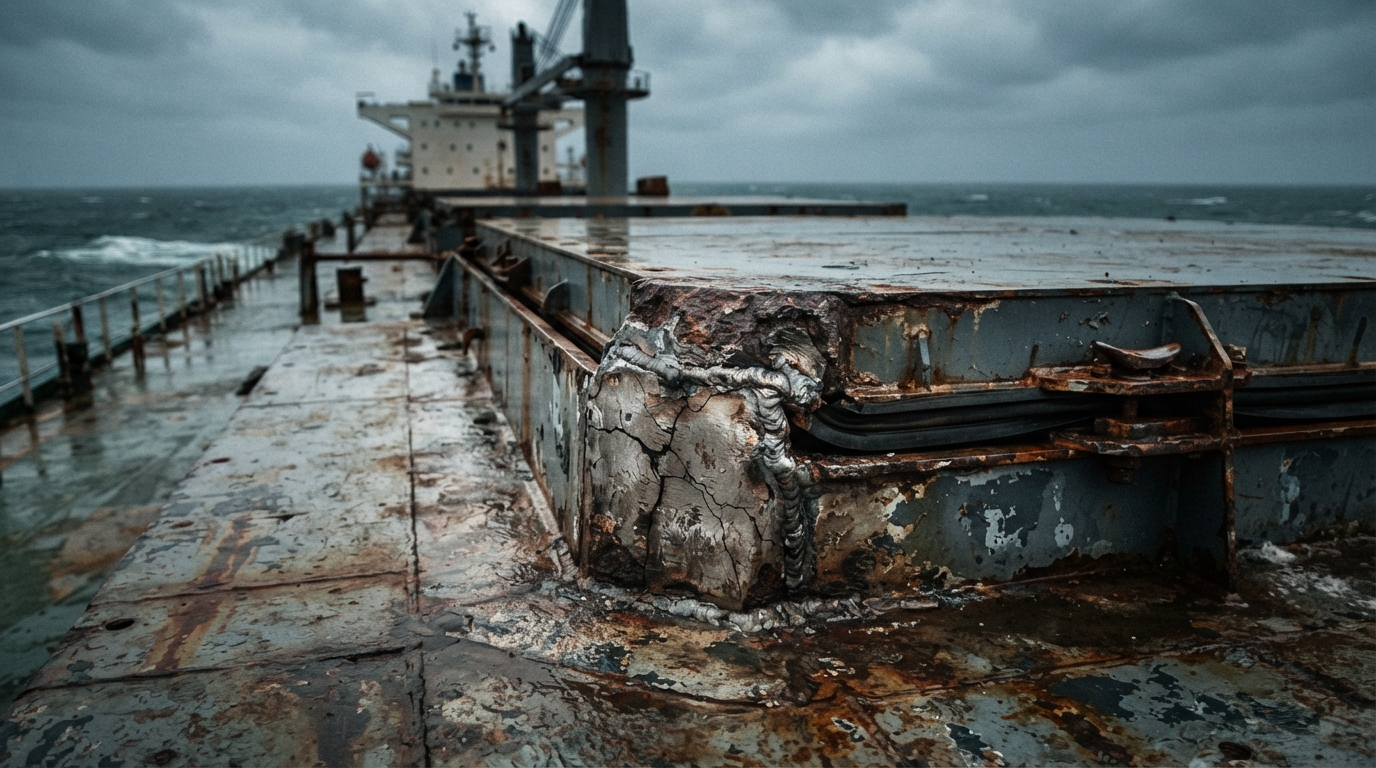
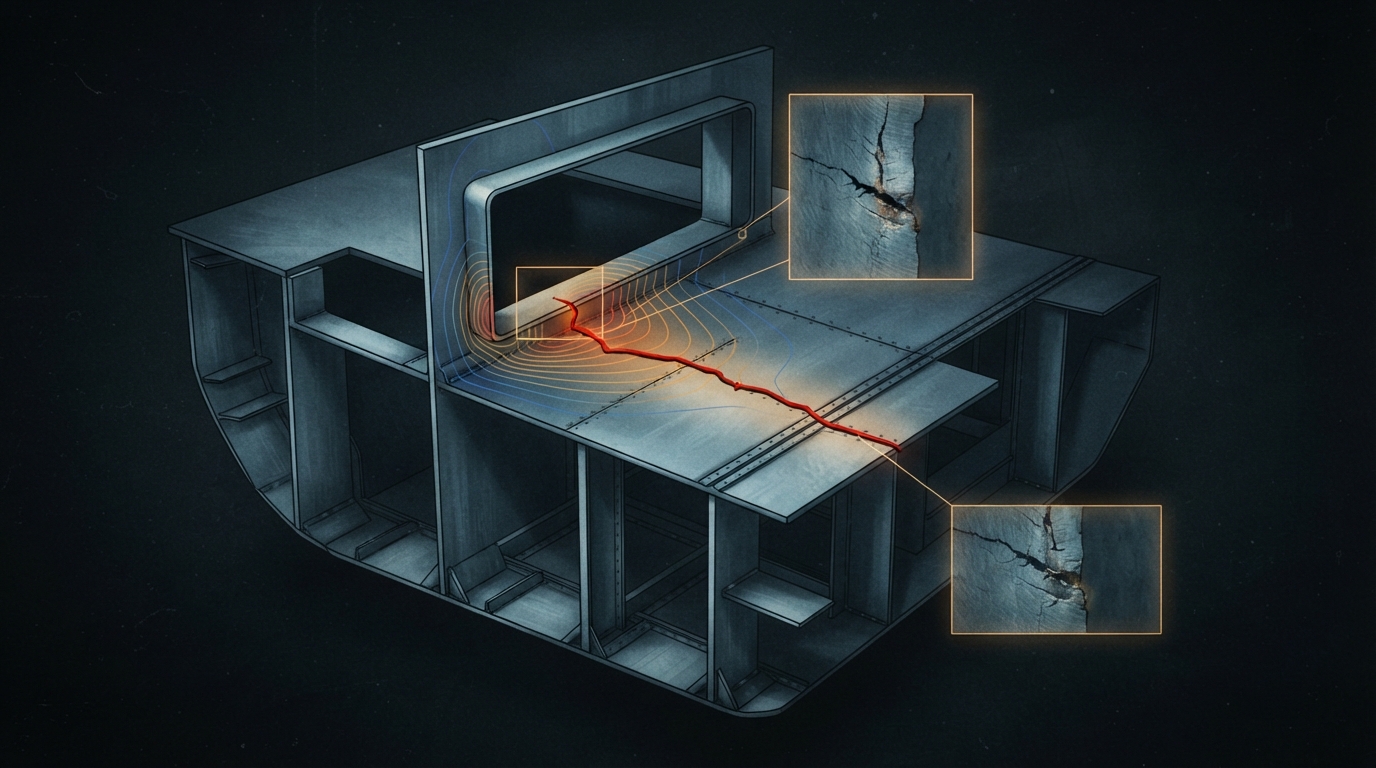
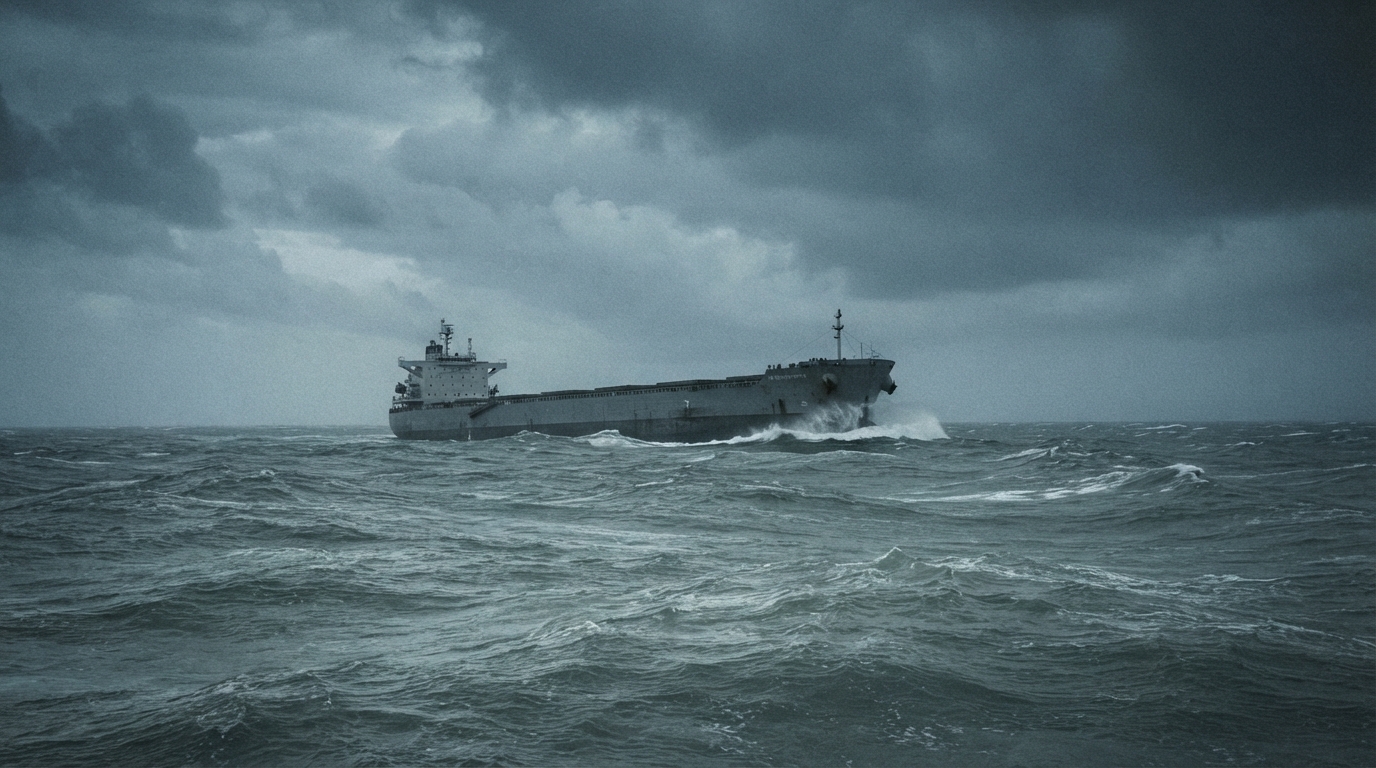
Discover why a modern bulk carrier can snap in half without a single wave crashing over its deck. This visual essay explains how wave-induced hull flexing, hogging and sagging, silently stresses the ship's structure until the steel gives out, leading to catastrophic failure in calm seas. Chapters: 00:00 The Ship That Broke in Half 00:30 The Rhythm Beneath the Waves 00:46 Billions of Newton-Meters 01:14 Designed to Flex 01:30 The Ocean Demands More 01:54 Stress concentrations 02:10 Crack propagation 02:27 The Largest British Ship Lost at Sea 02:43 The cracks that sank a ship 03:04 The Silent Break 03:25 The Breaking Point 03:45 The regulatory response 03:57 The Ongoing Effort 04:13 The Derbyshire's Final Hours 04:26 The Hidden Stress Points 04:42 The Paperclip's Lesson 04:59 The Silent Accumulation 05:15 The Ocean's Memory 05:34 Every ship has a bending point Sources & further reading: • Marine Accident Investigation Branch (MAIB) reports on MV Derbyshire — Official UK investigation into the loss of MV Derbyshire, including structural analysis. • International Maritime Organization (IMO) – Bulk Carrier Safety — Regulatory body addressing bulk carrier structural integrity and safety measures. • American Bureau of Shipping (ABS) – Guidance on Hull Girder Strength — Technical guidance on hull girder bending and structural design. • Lloyd's Register – Rules for the Classification of Ships — Classification society rules for bulk carrier design and construction. • Intercargo – Bulk Carrier Casualty Report — Industry association statistics on bulk carrier losses and causes. • DNV GL – Fatigue Assessment of Ship Structures — Technical publication on fatigue analysis in ship hulls.
From the video