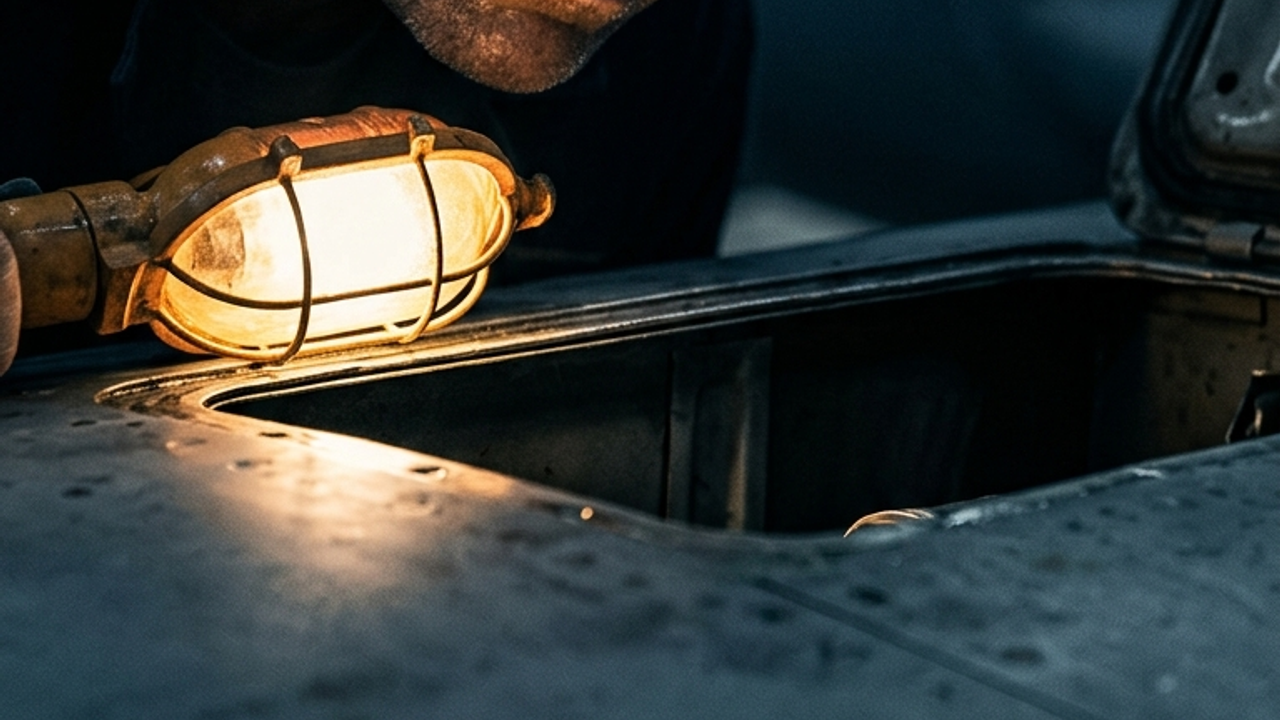
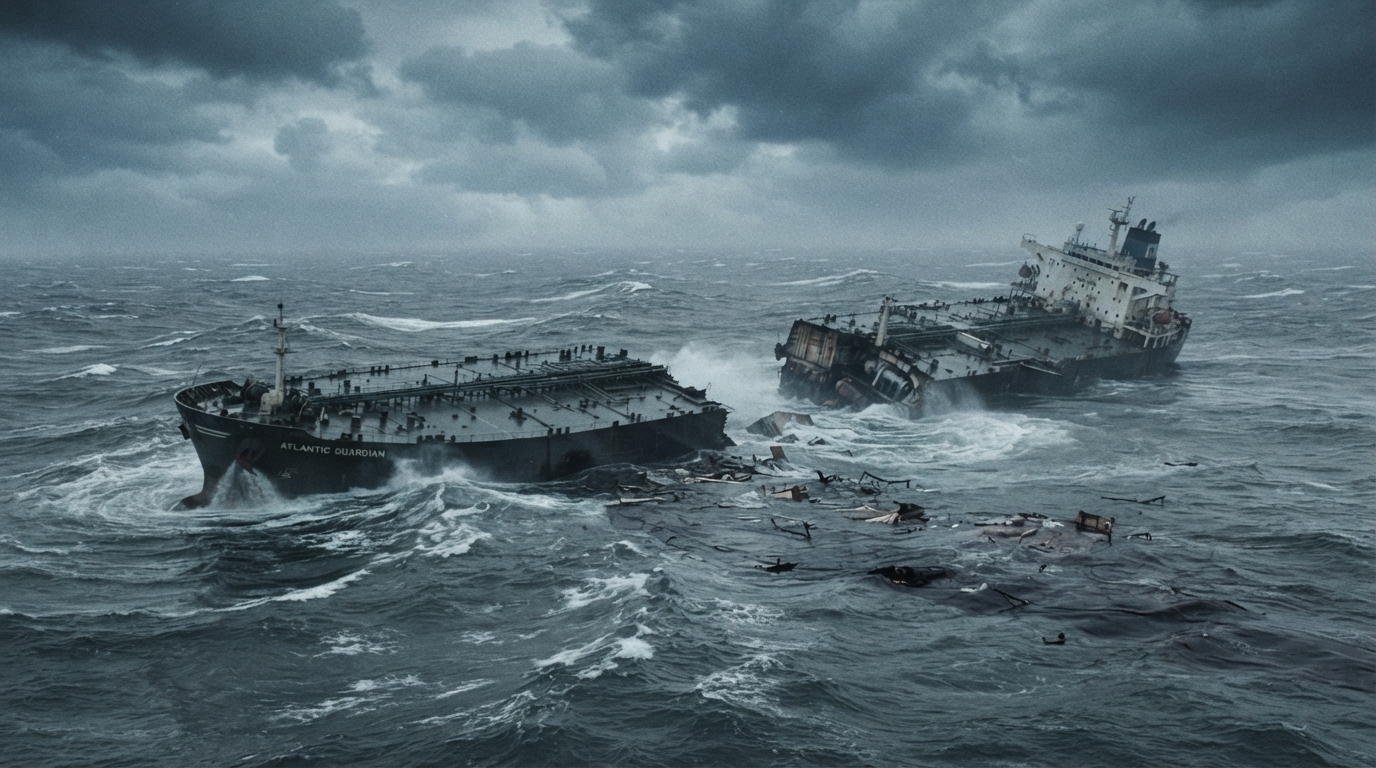
The Tanker That Broke in Half at Sea
About this video
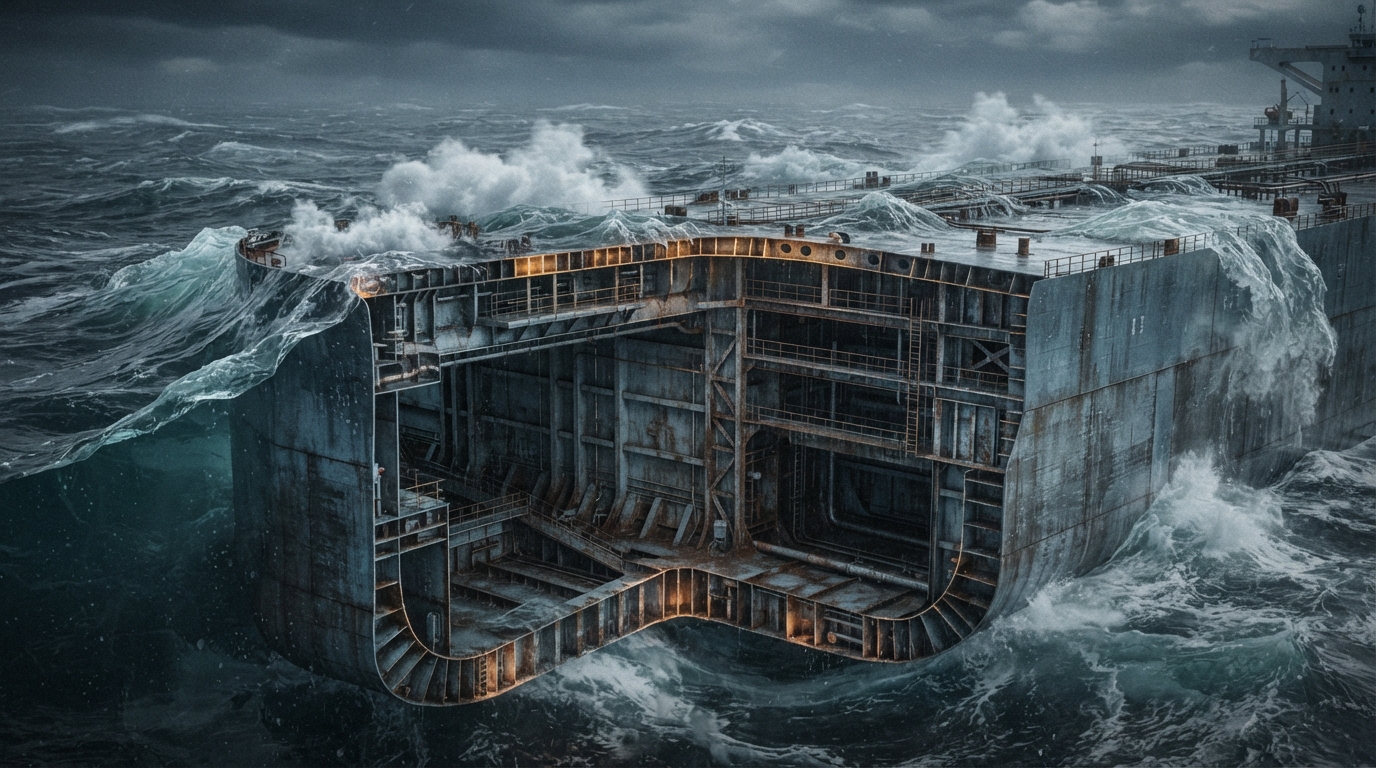
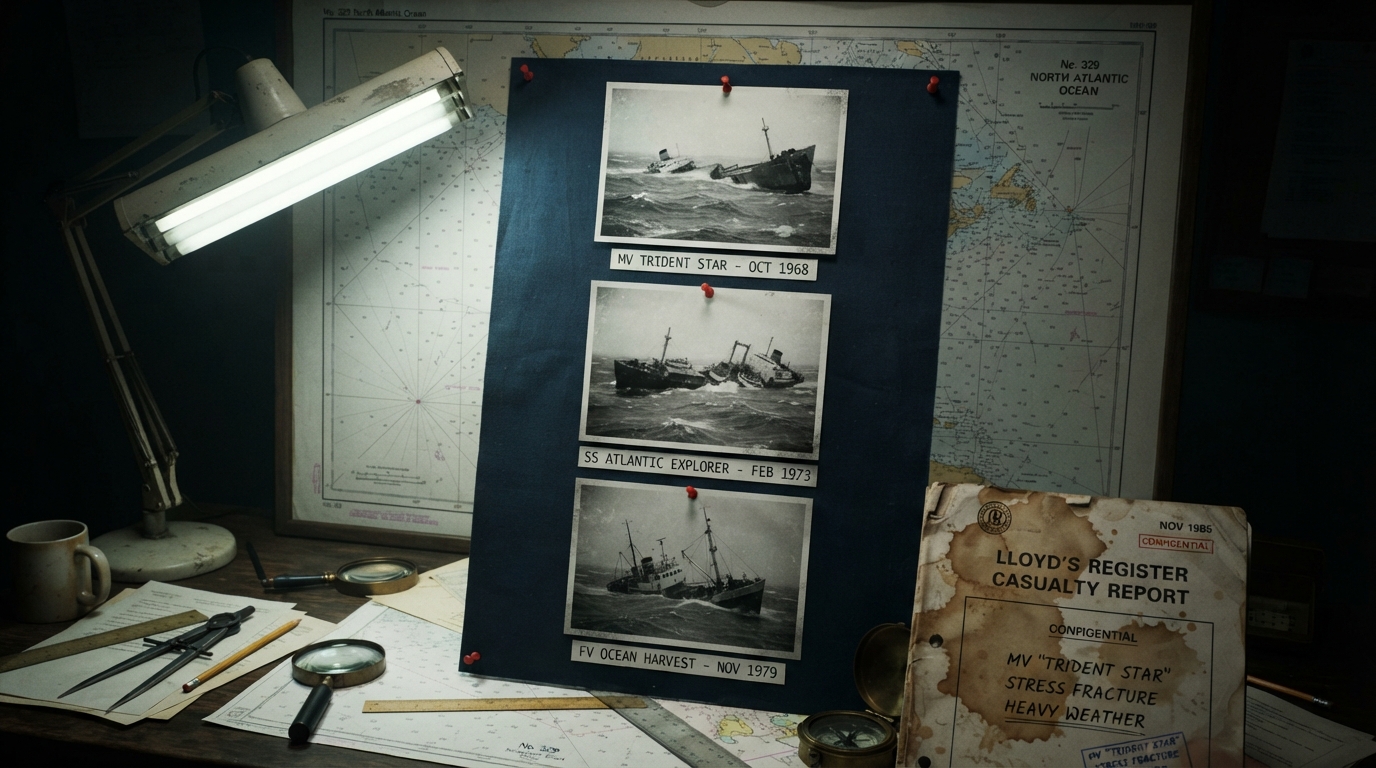
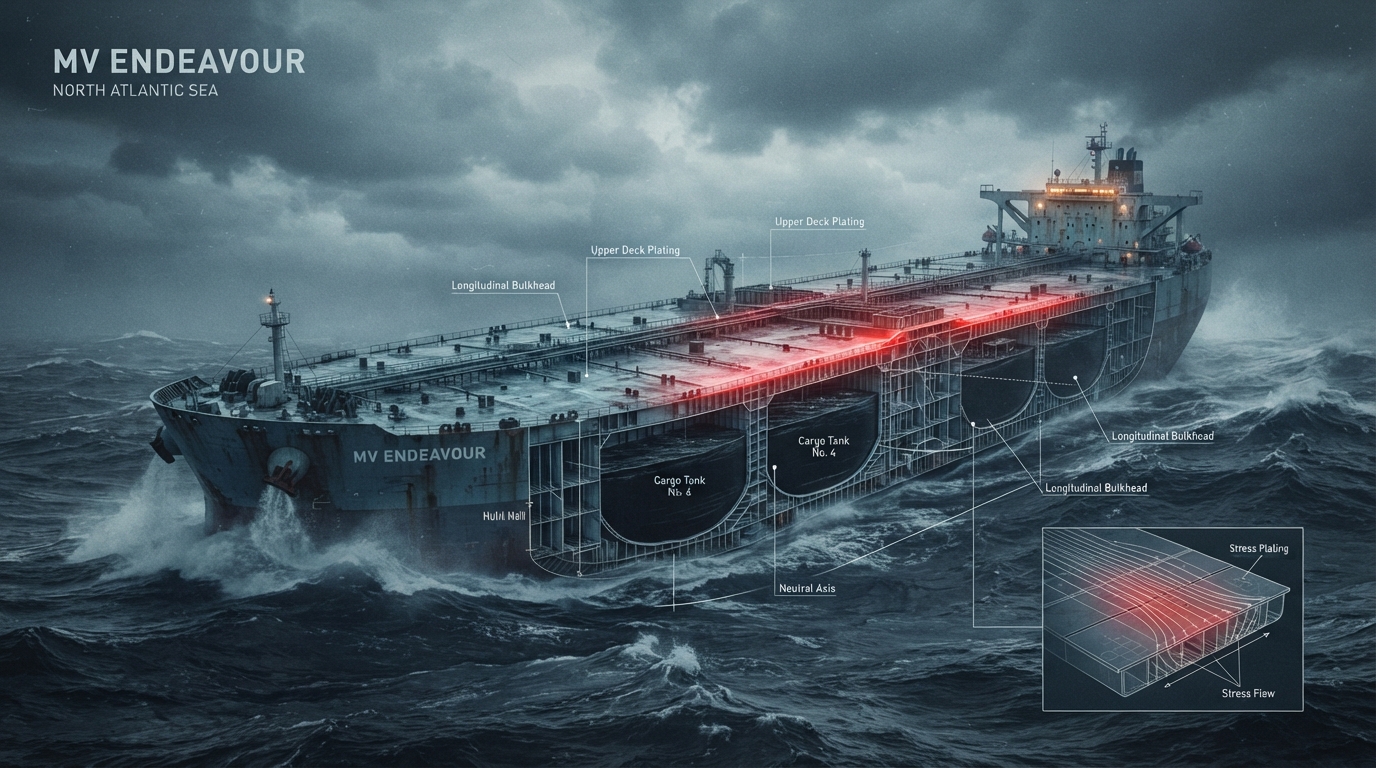
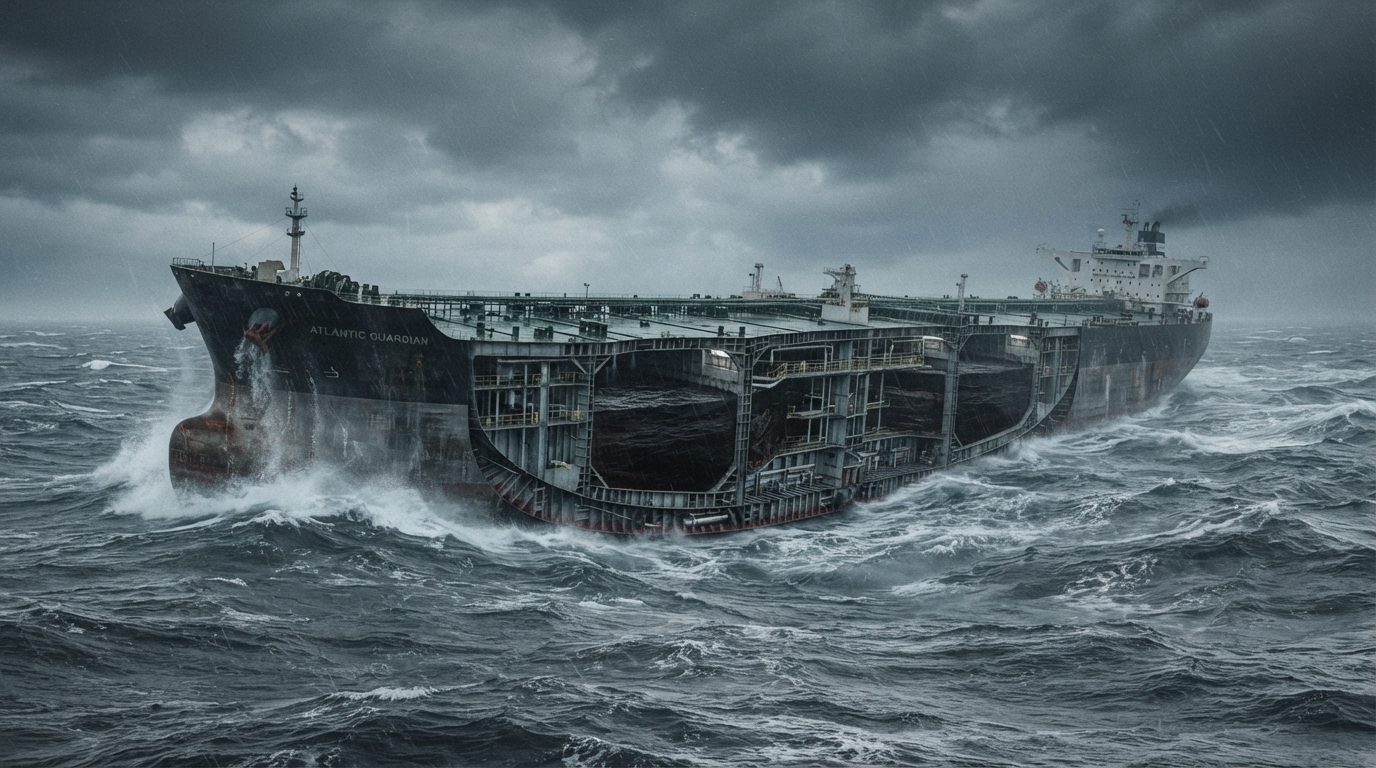
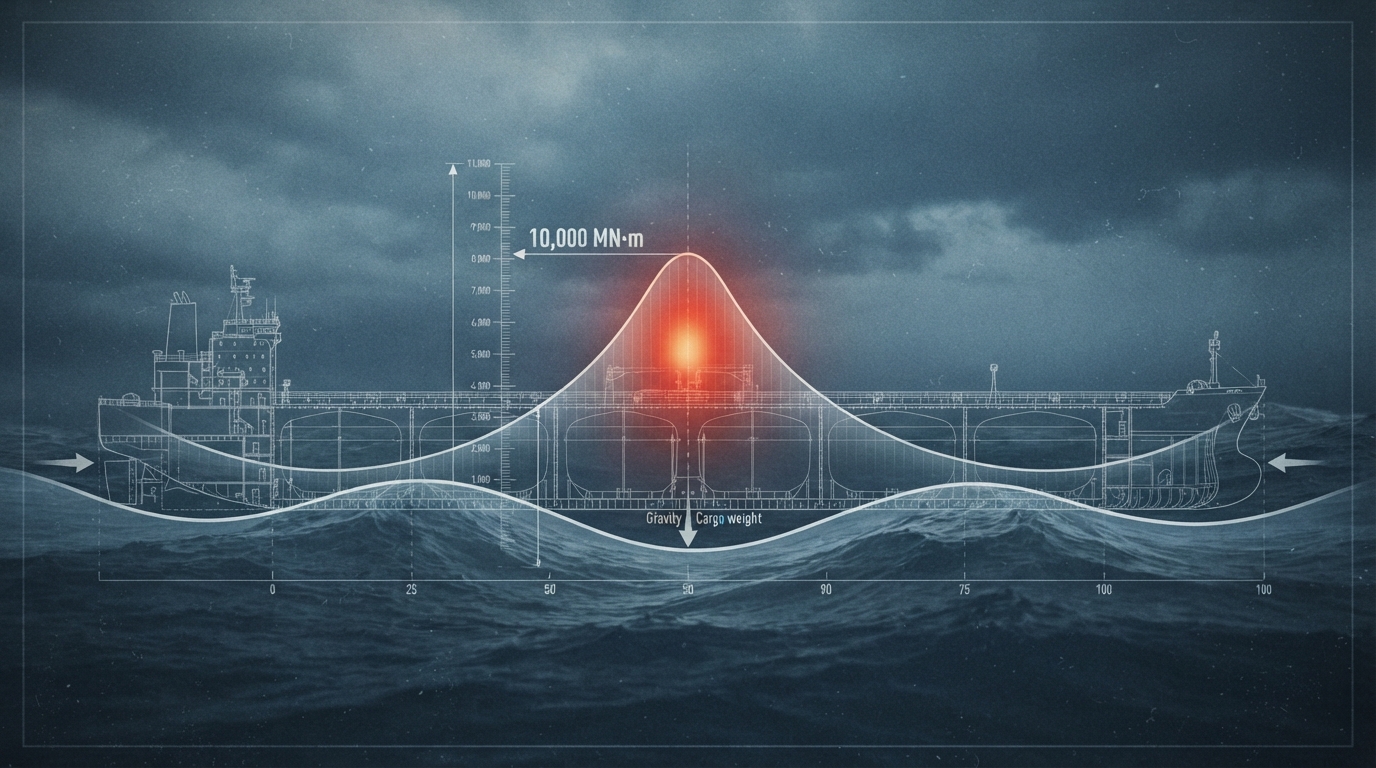
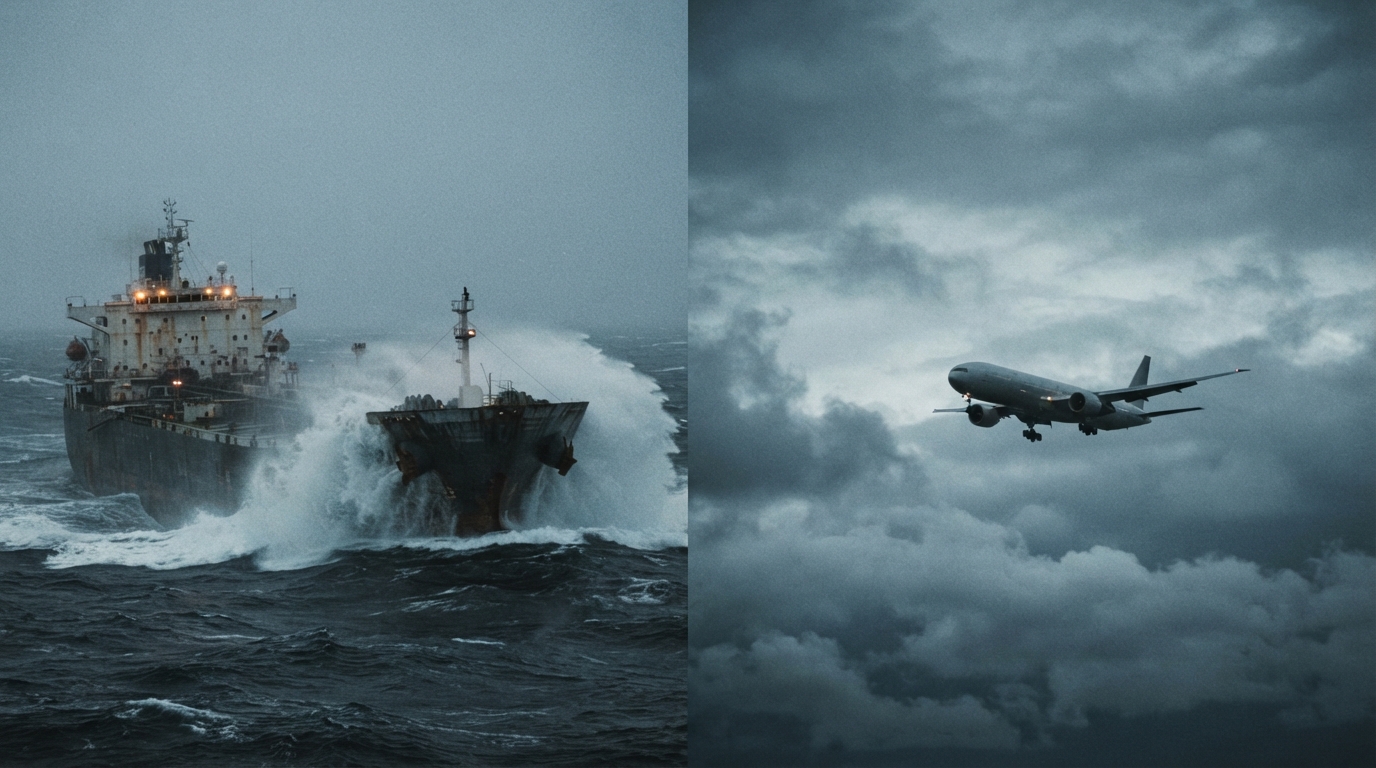
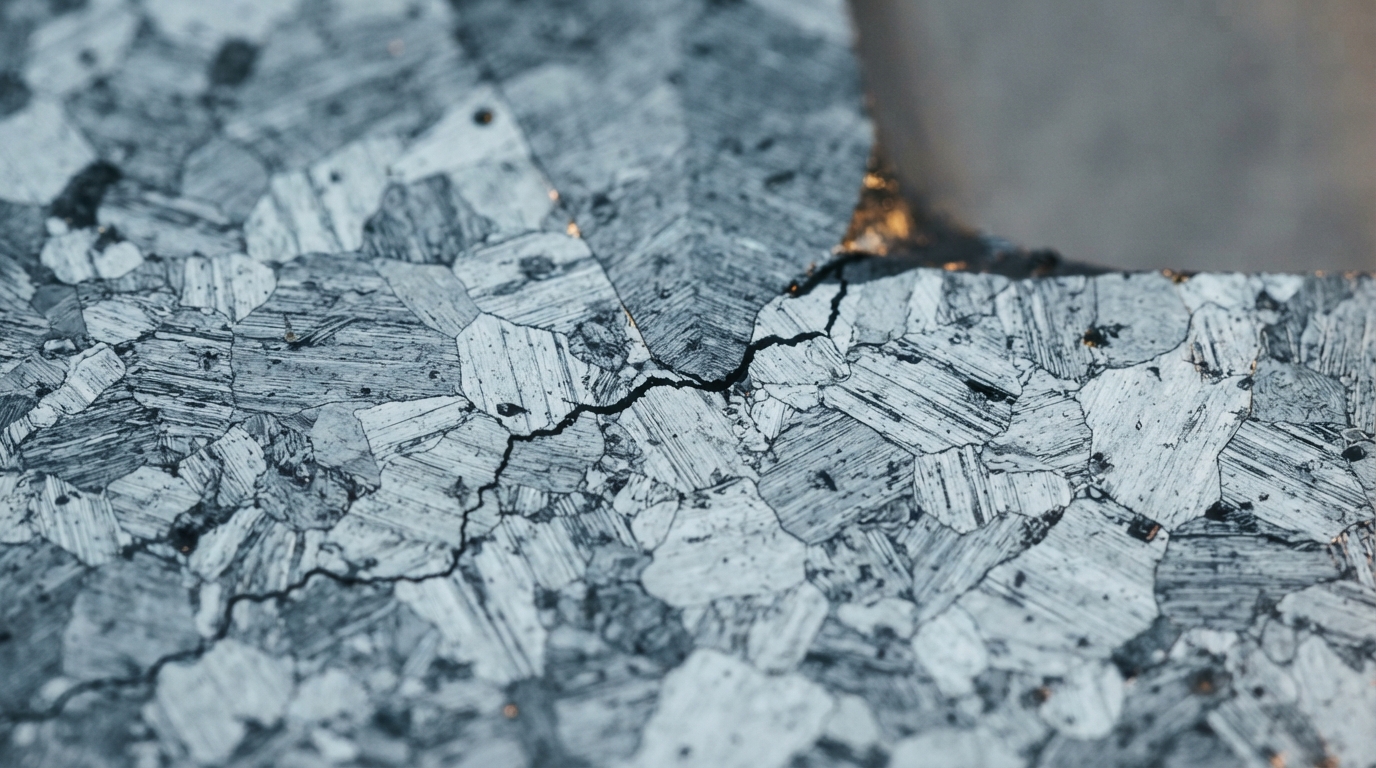
How does a fully loaded oil tanker split cleanly in two in the middle of the Atlantic — with no collision, no grounding, just the ocean itself? This video explains the invisible killer: cyclic wave stress that fatigues steel over millions of voyages until the hull surrenders. You'll learn how naval architects now prevent catastrophic fractures through stress modeling and real-time monitoring. Chapters: 00:00 The tanker broke in two 00:37 How does a supertanker snap? 00:53 Over 20 vessels lost by 1980 01:30 The hull bends with every wave 02:00 A decade equals 10 million cycles 02:25 S-N curve: steel fatigue life 02:48 Beach marks indicating progressive crack growth 03:19 The math said decades 04:03 Maximum sagging moment 30 to 40 percent higher d 04:39 The inquiry that rewrote the rules 05:07 Reorienting the steel 05:43 10⁸ wave cycles modeled 06:17 Prevention, not autopsy Sources & further reading: • Lloyd's Register casualty database and historical records on bulk carrier losses 1969–1980 — Primary source for casualty statistics and investigation findings on hull fracture incidents • SNAME Technical & Research Bulletin 3-37: Hull Girder Loads and Strength — Society of Naval Architects and Marine Engineers reference on wave-induced bending moments and structural analysis • Det Norske Veritas (DNV) Classification Notes 30.7: Fatigue Assessment of Ship Structures — Industry-standard guidance on S-N curves, stress cycles, and fatigue life prediction for marine structures • International Association of Classification Societies (IACS) Common Structural Rules for Bulk Carriers and Oil Tankers — https://www.iacs.org.uk/ • ABS Guide for Hull Condition Monitoring Systems — https://ww2.eagle.org/en/rules-and-resources/rules-and-guides.html • US Coast Guard Marine Board of Investigation Report on SS Marine Electric sinking, 1984 — Detailed investigation into fatigue-related hull failure and resulting regulatory changes
From the video

More from Wings & Wrecks
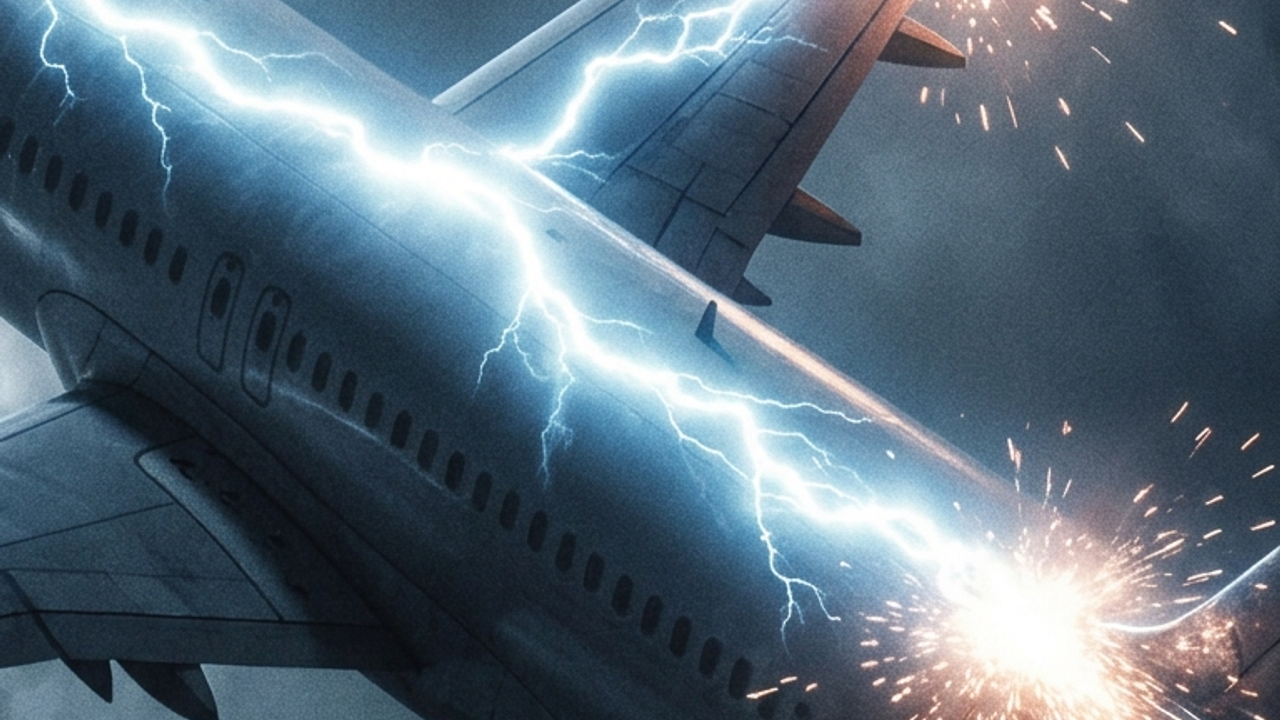
Where Lightning Goes When It Hits an Airliner
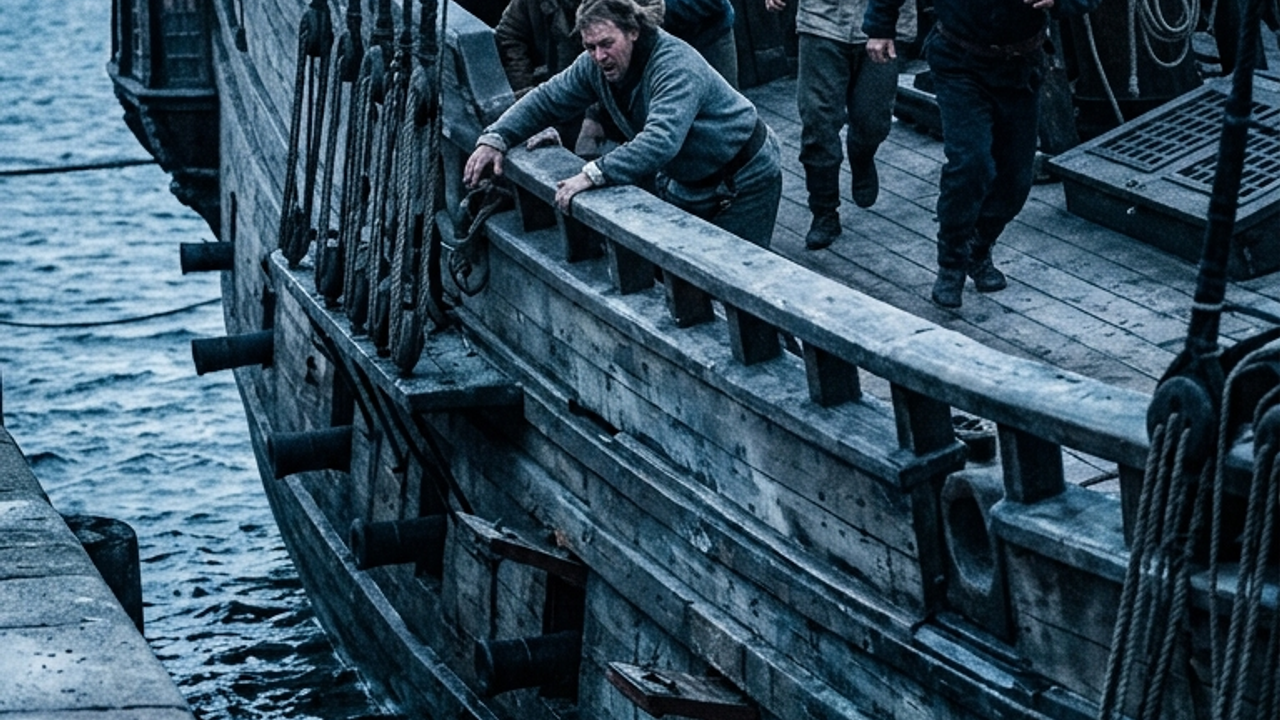
Vasa Ship Stability Test That Proved She Would Capsize
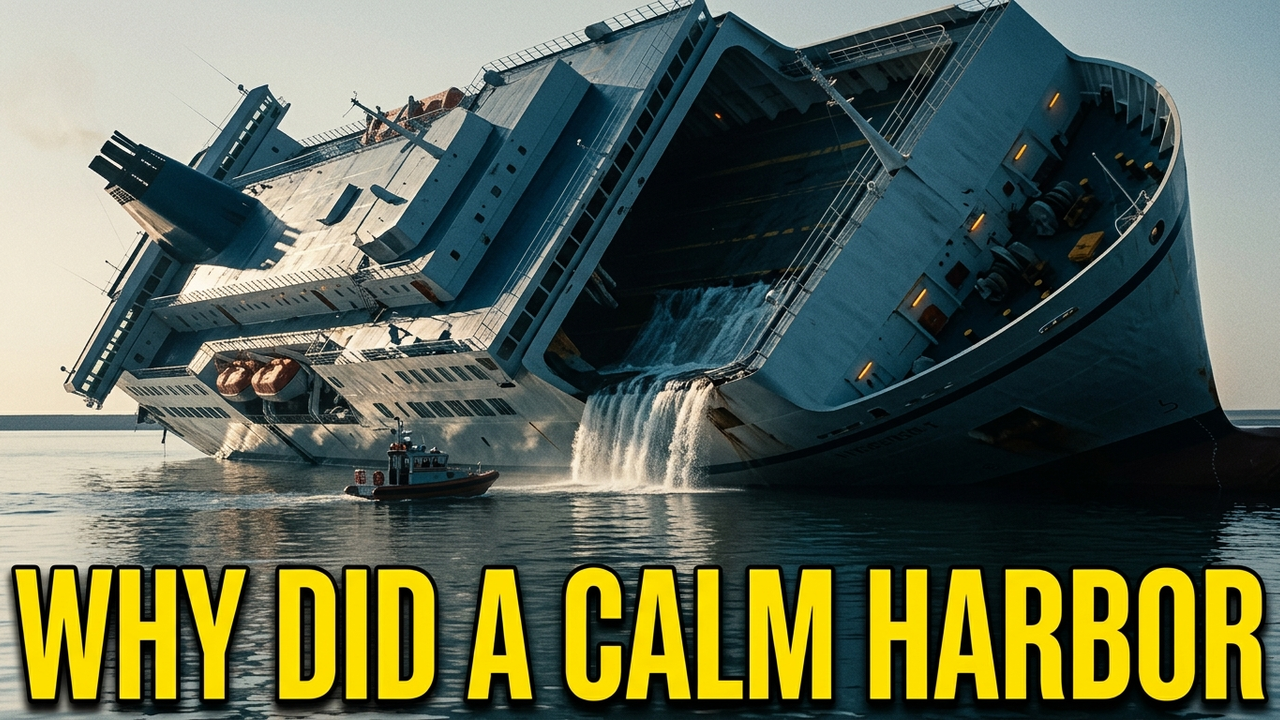
The Ferry That Capsized in a Calm Harbor
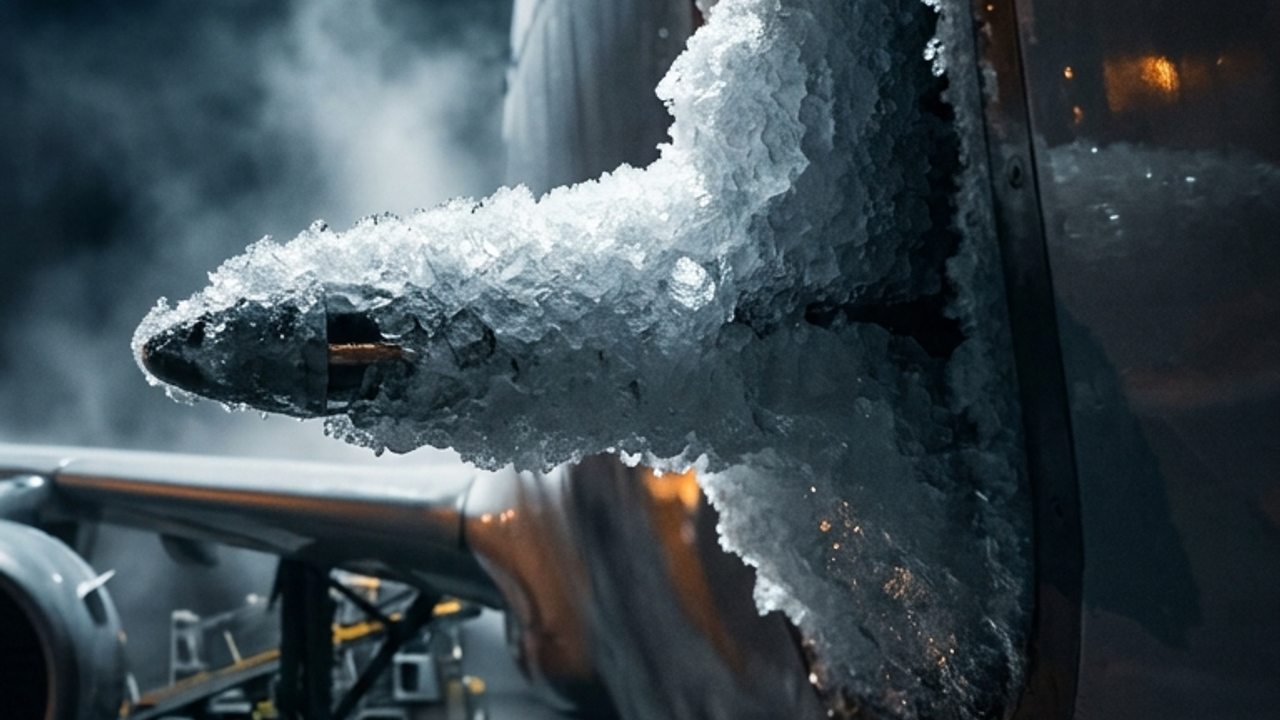
WOULD YOU SEE THE TAPE?
WHY IS YOUR WINDOW ROUND?

How SS El Faro's Engine Stopped in a Hurricane
Swissair 111 Fire: Why Smoke Above the Cockpit Was Unstoppable