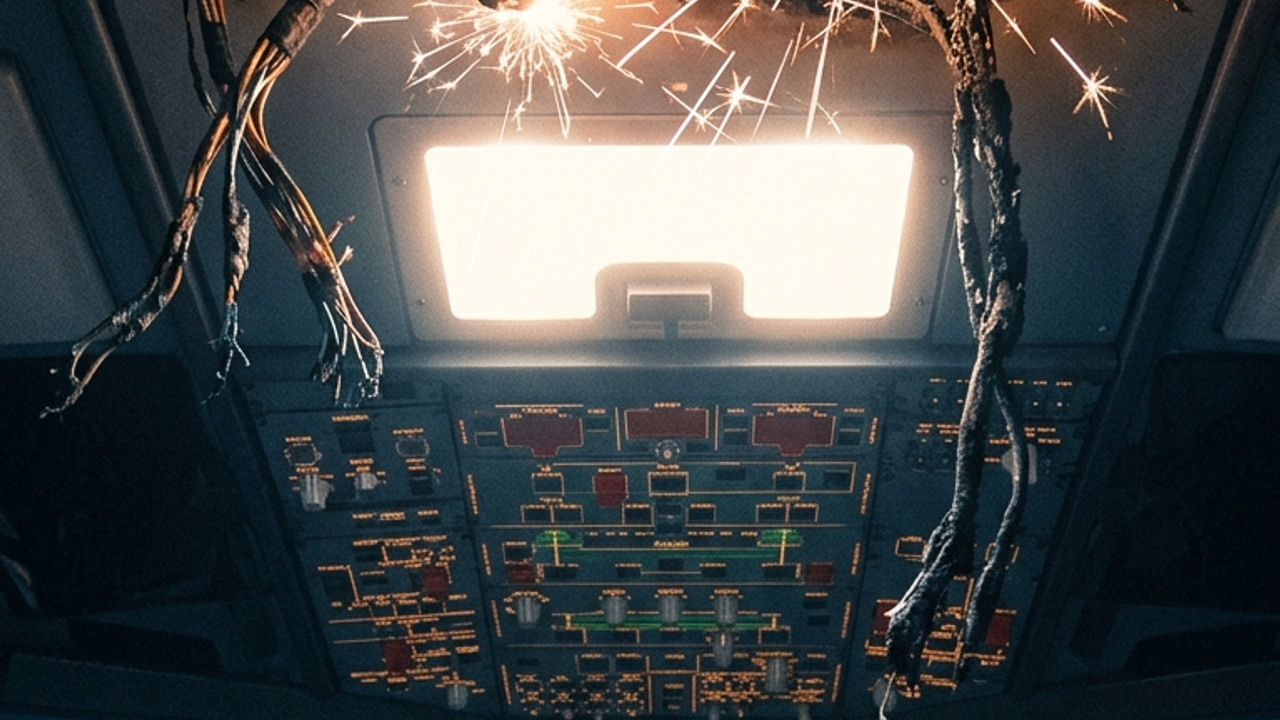
Why Black Boxes Survive When Planes Don't
Chapters
About this video
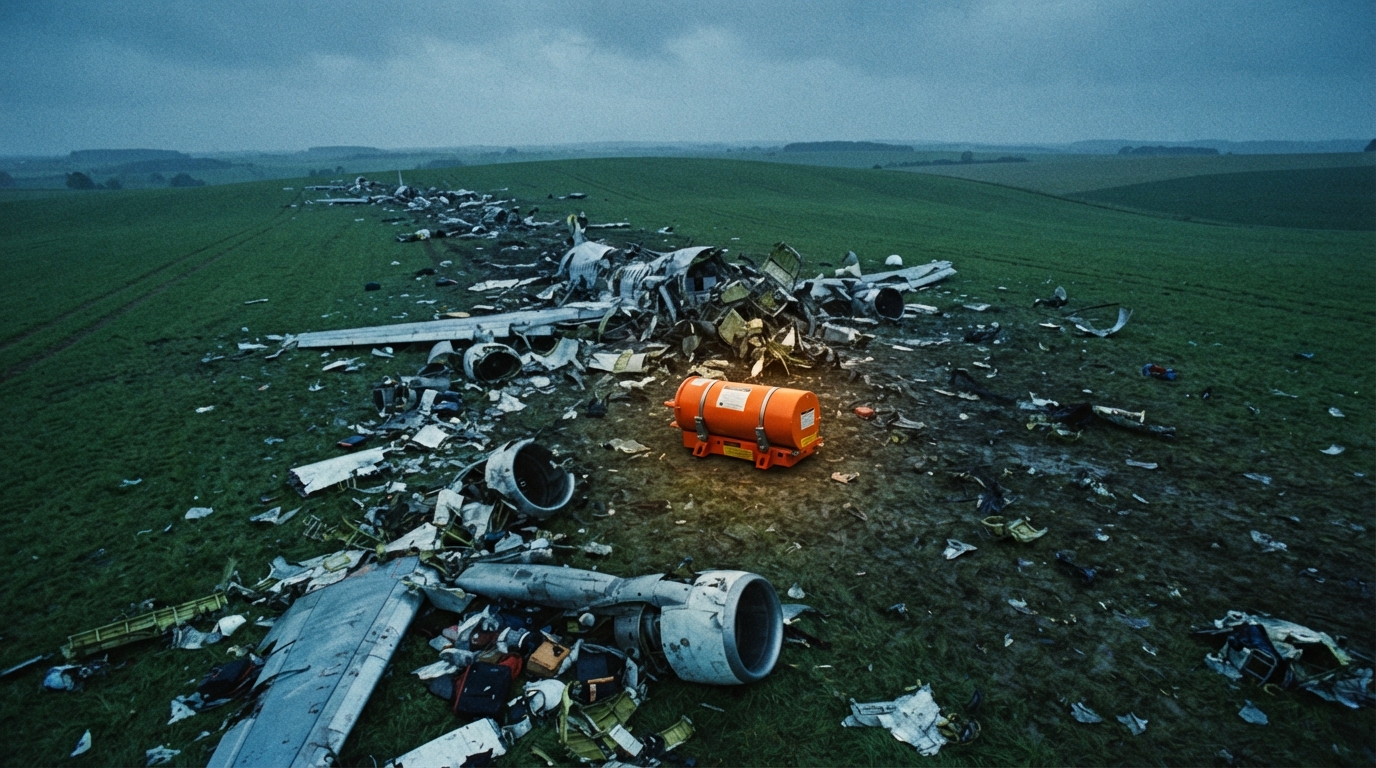
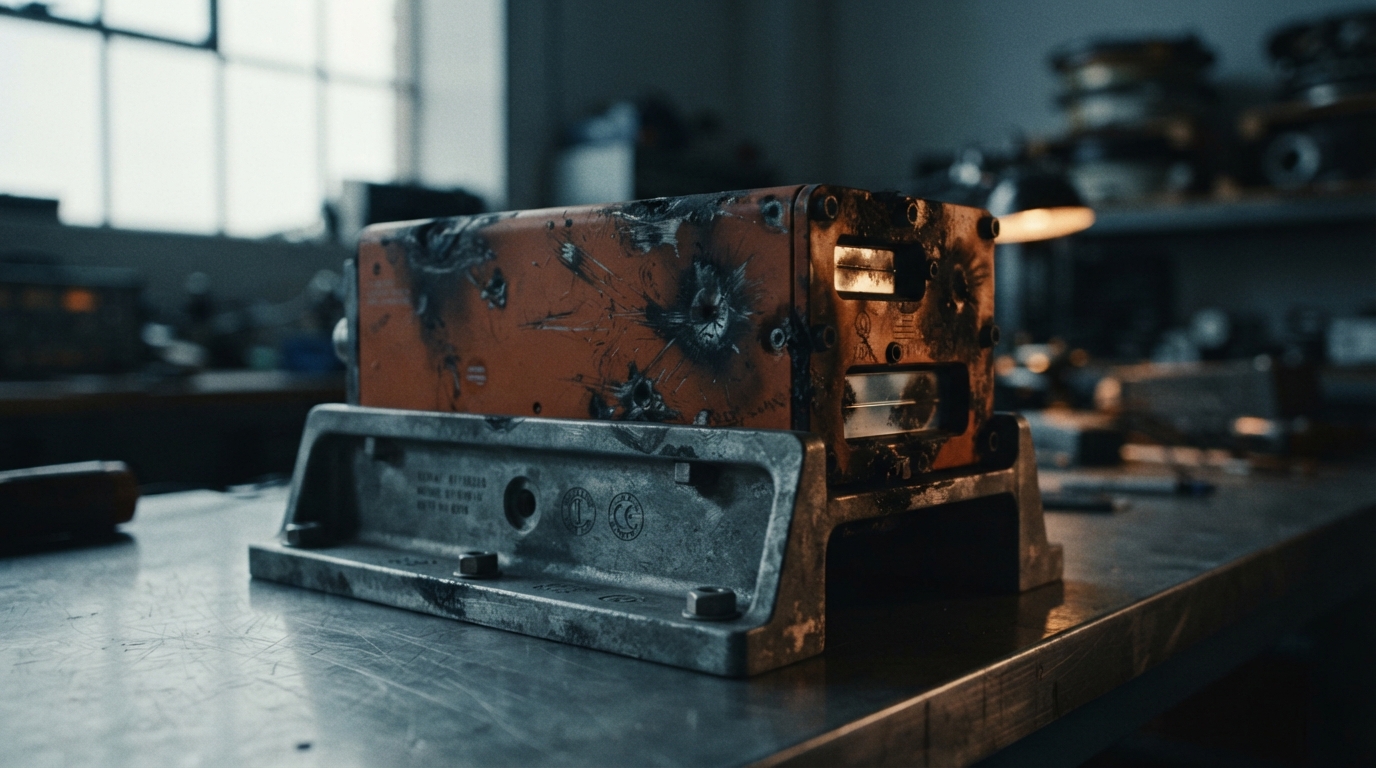
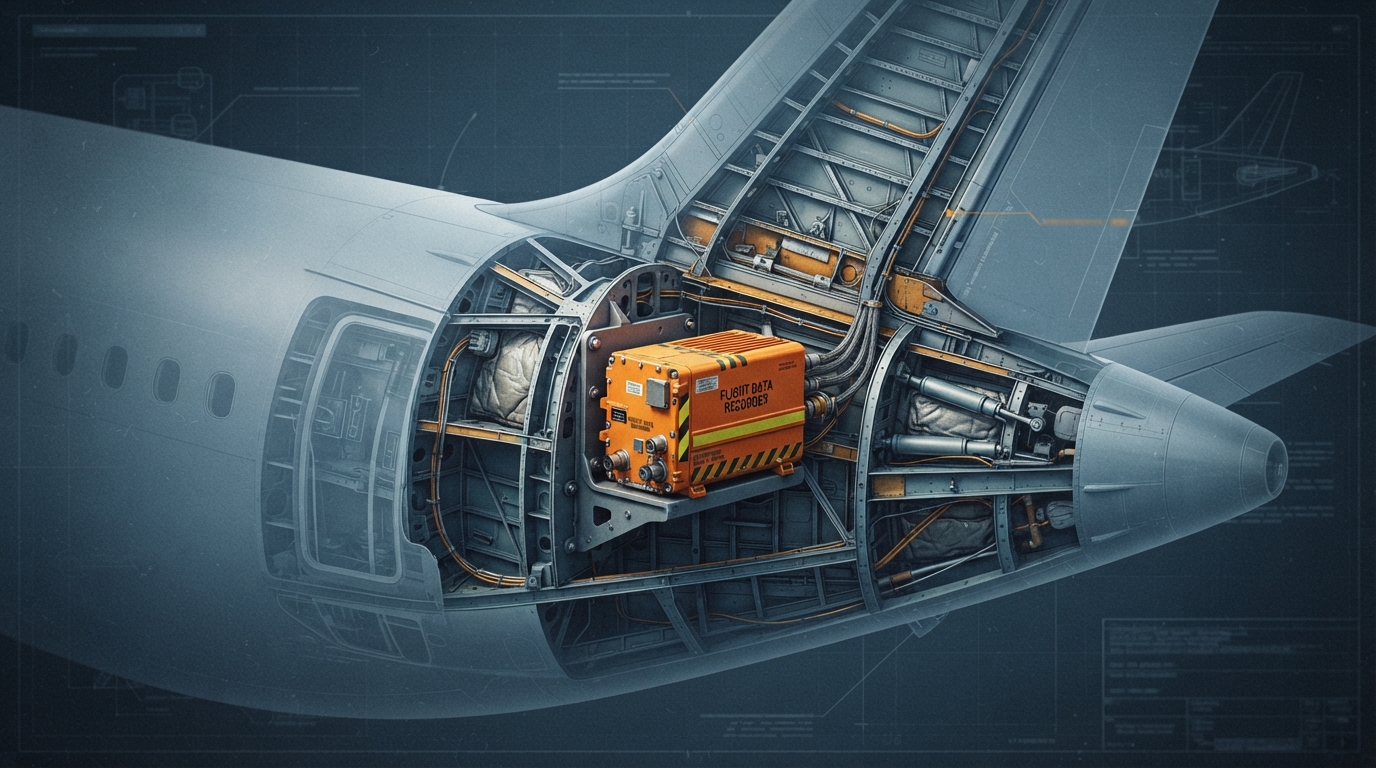
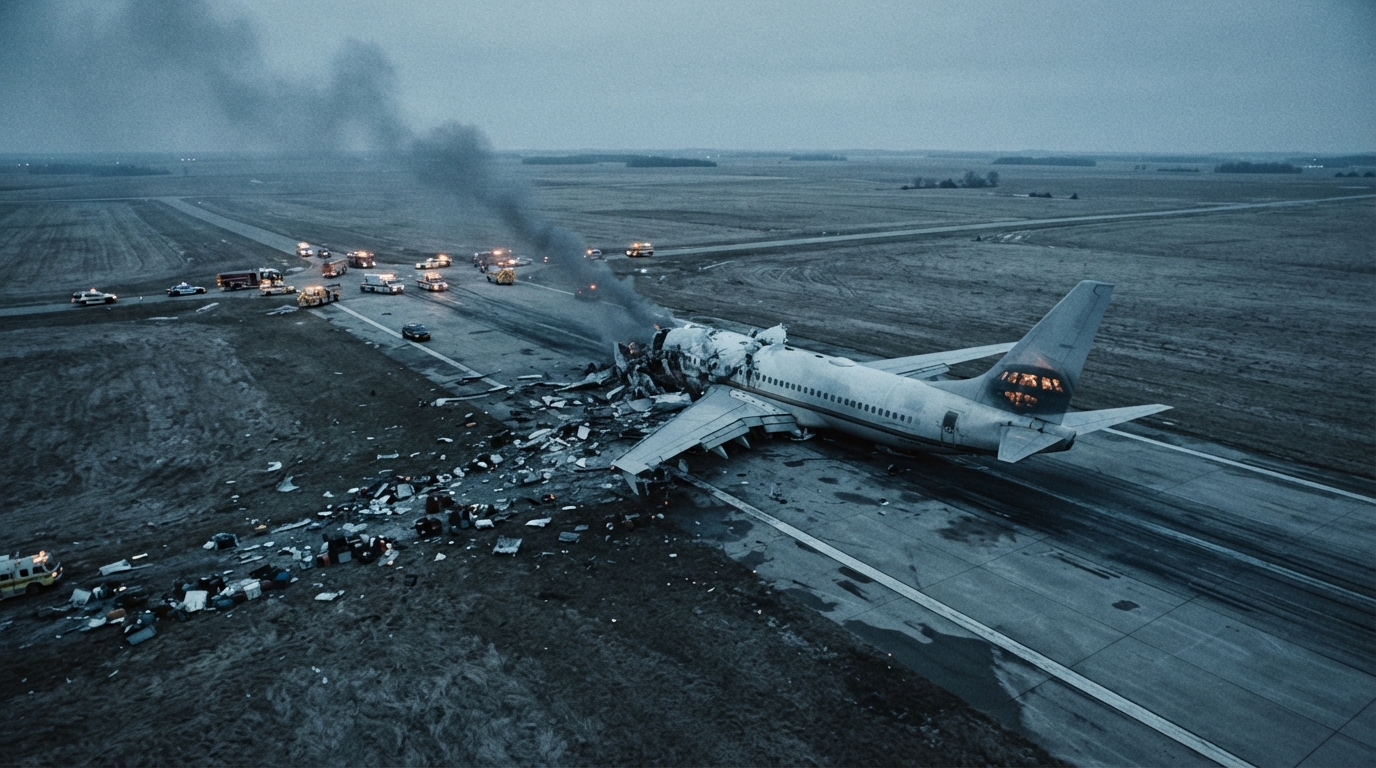
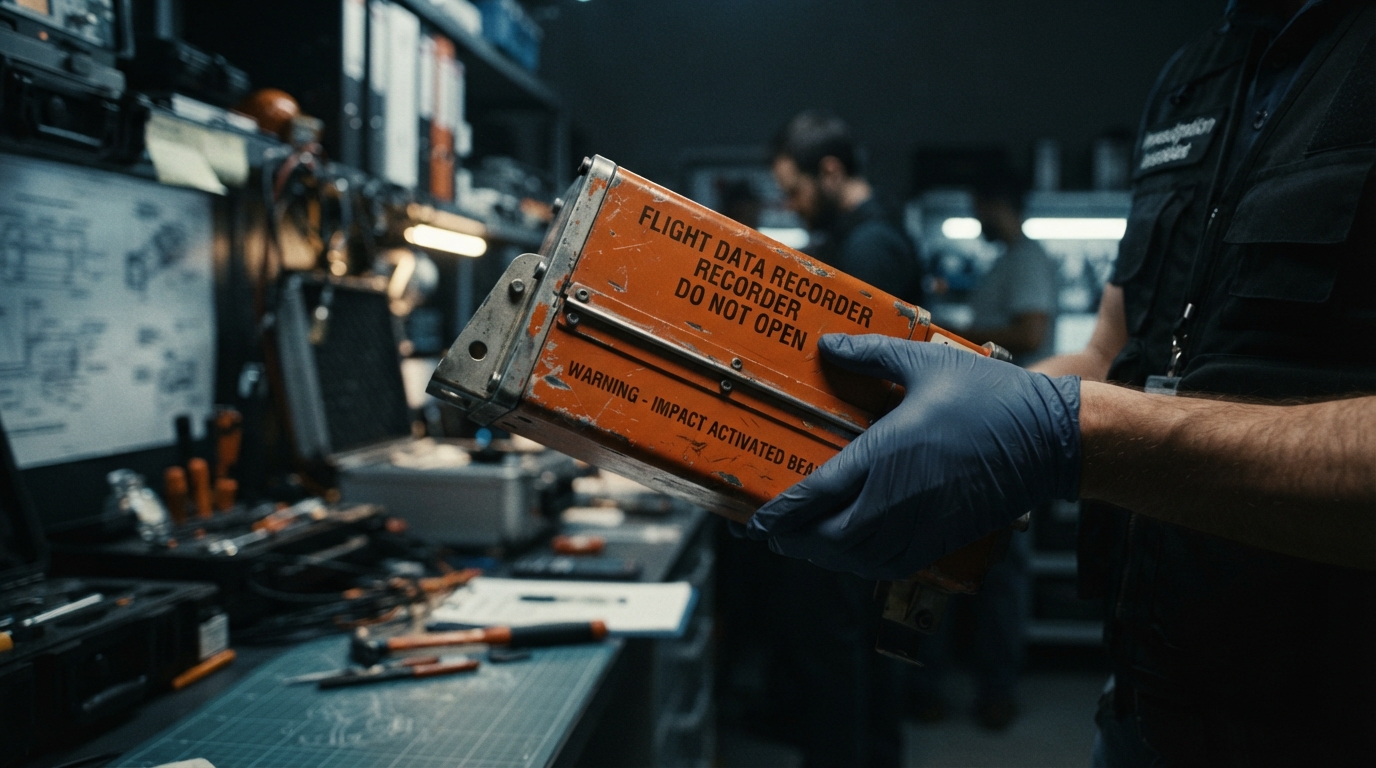
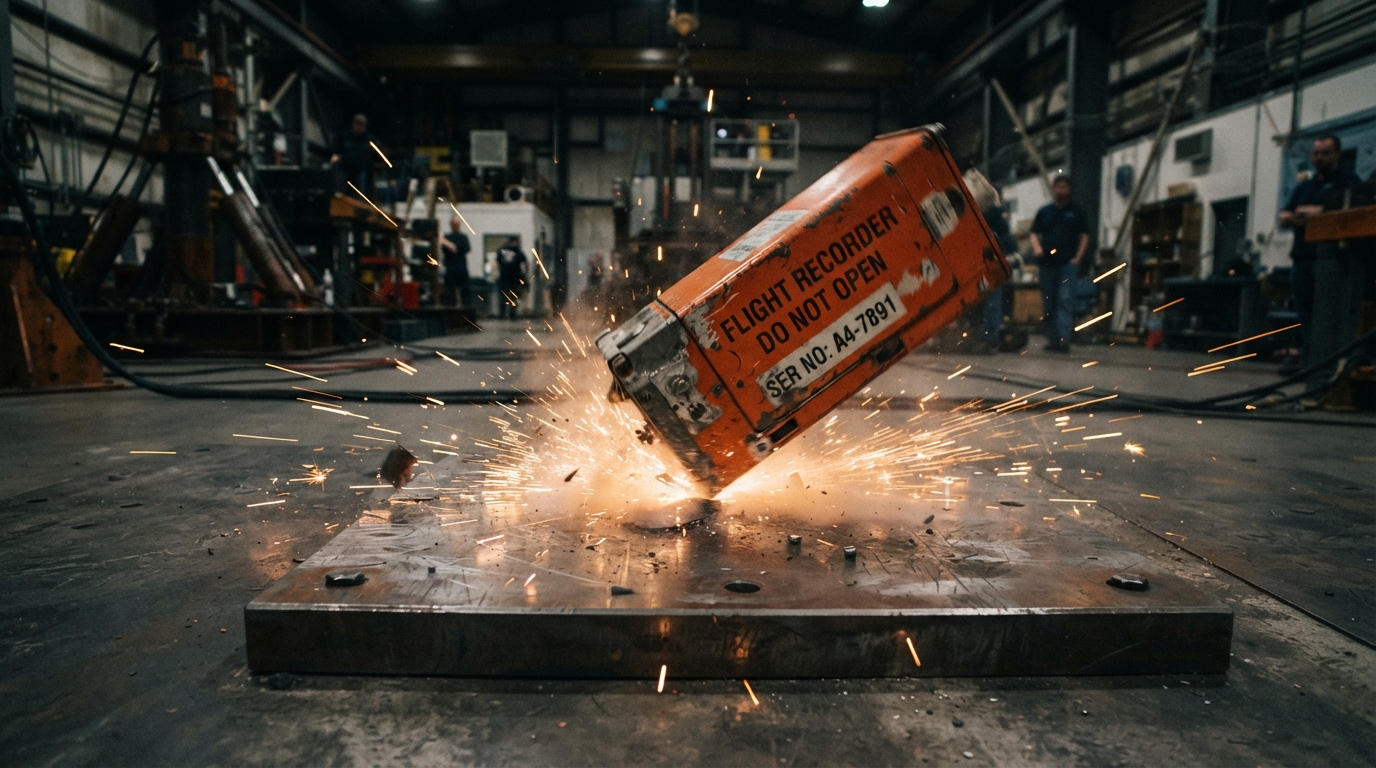
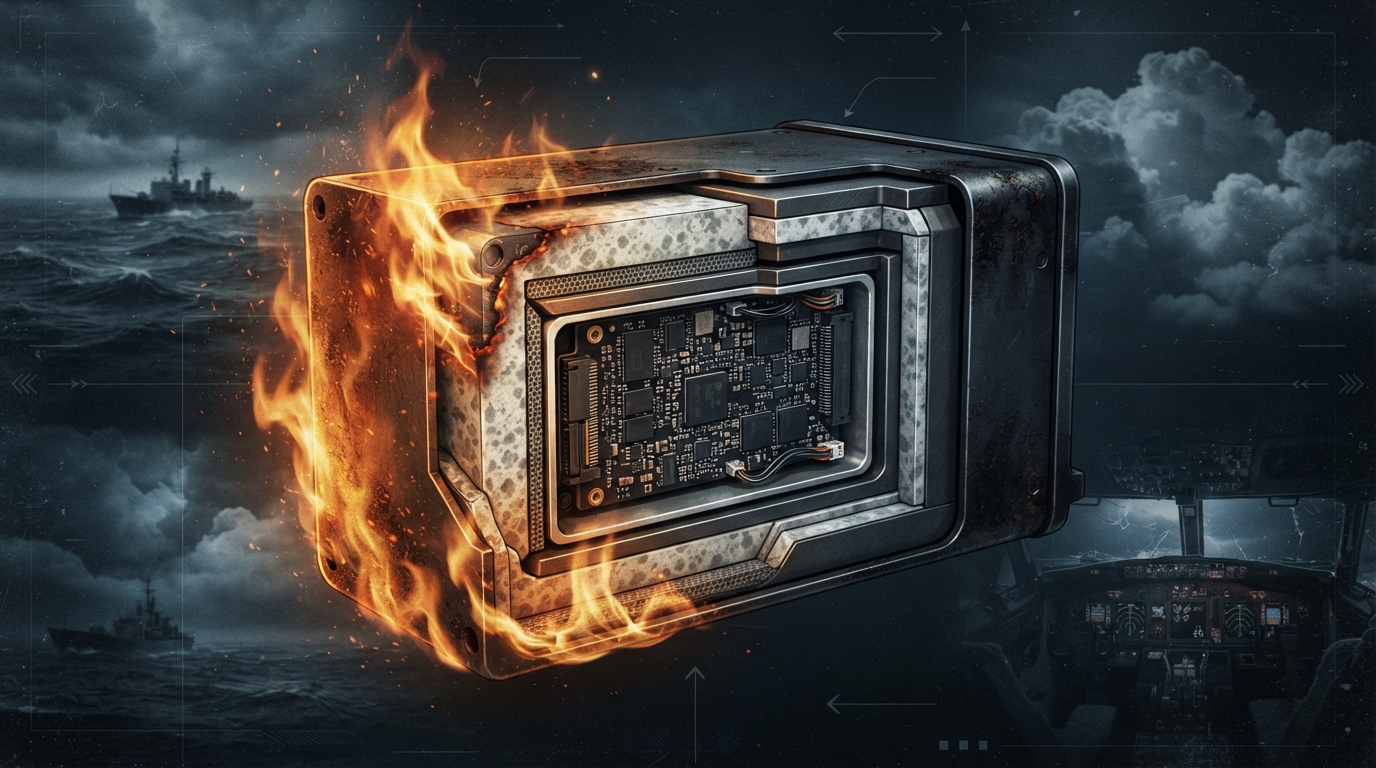
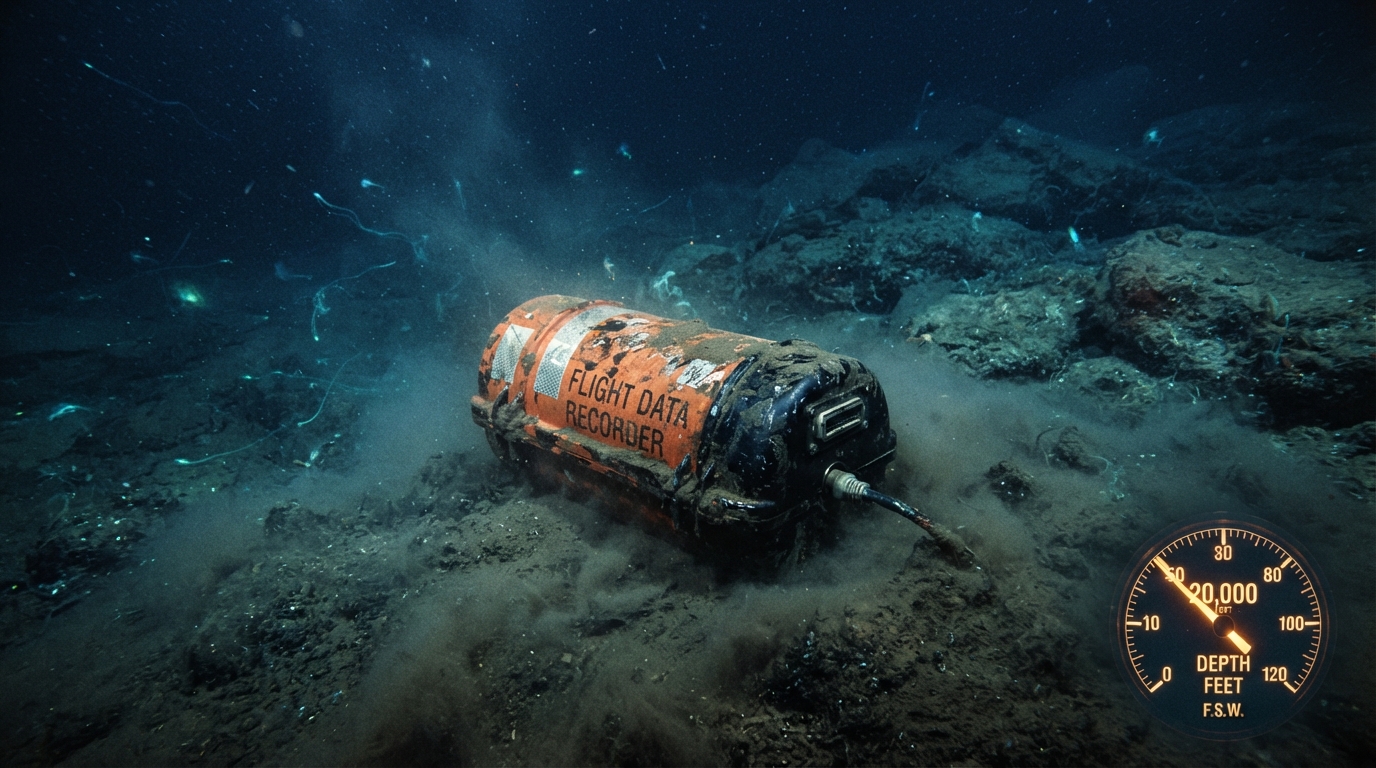
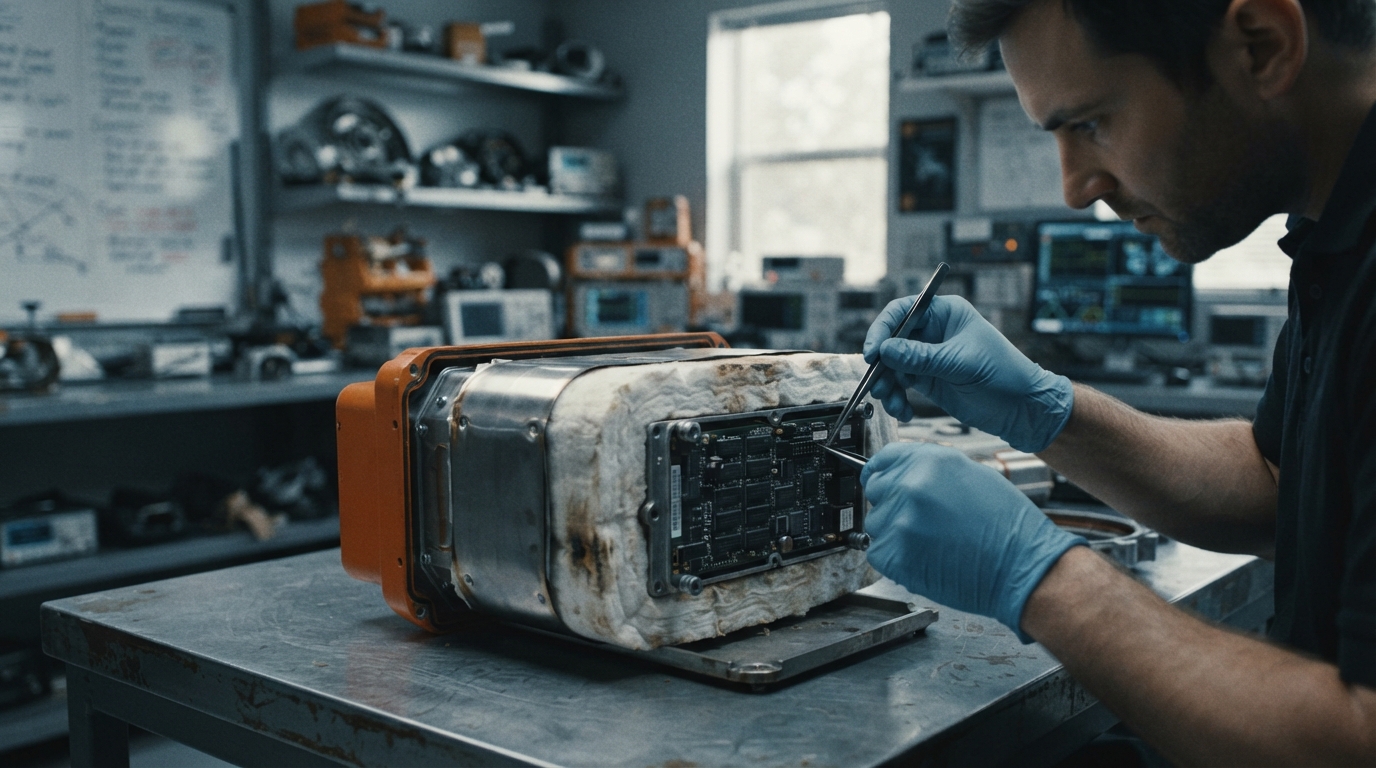
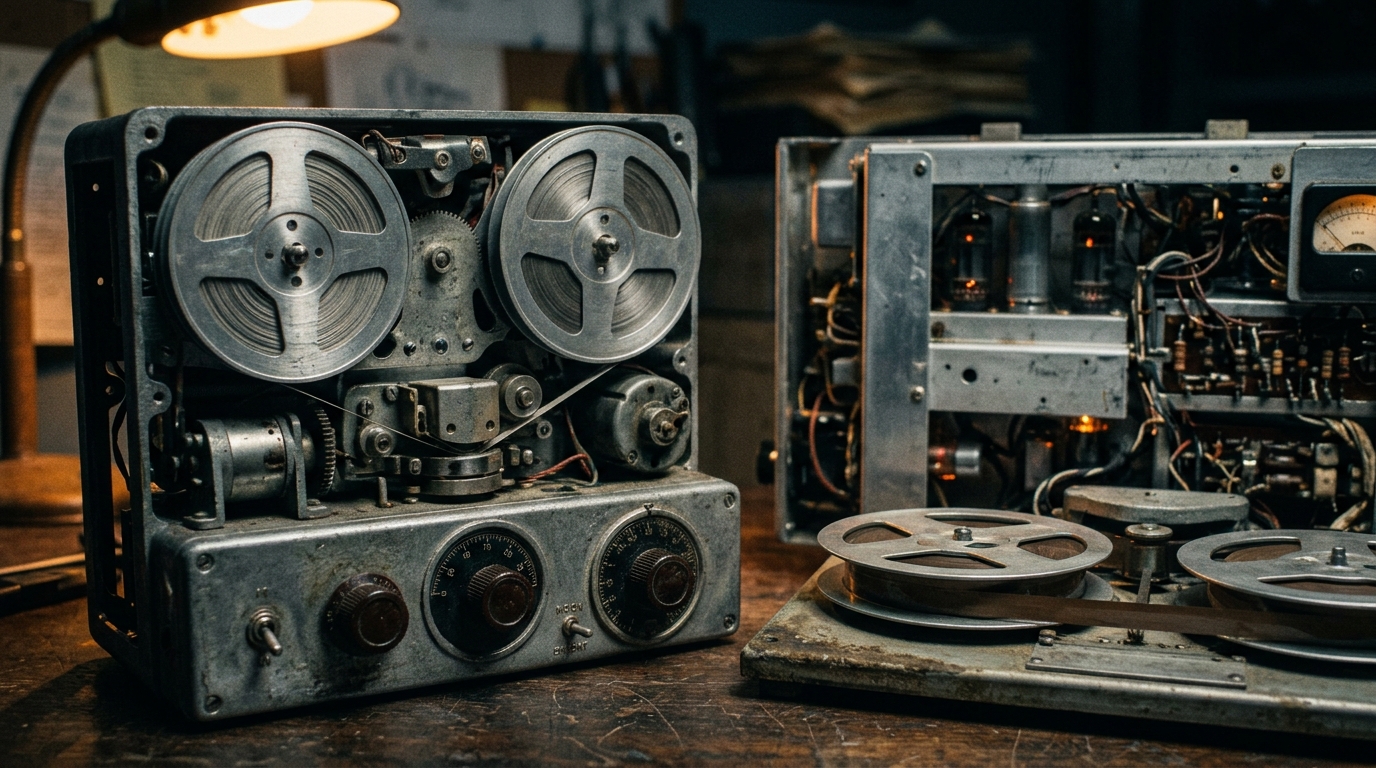
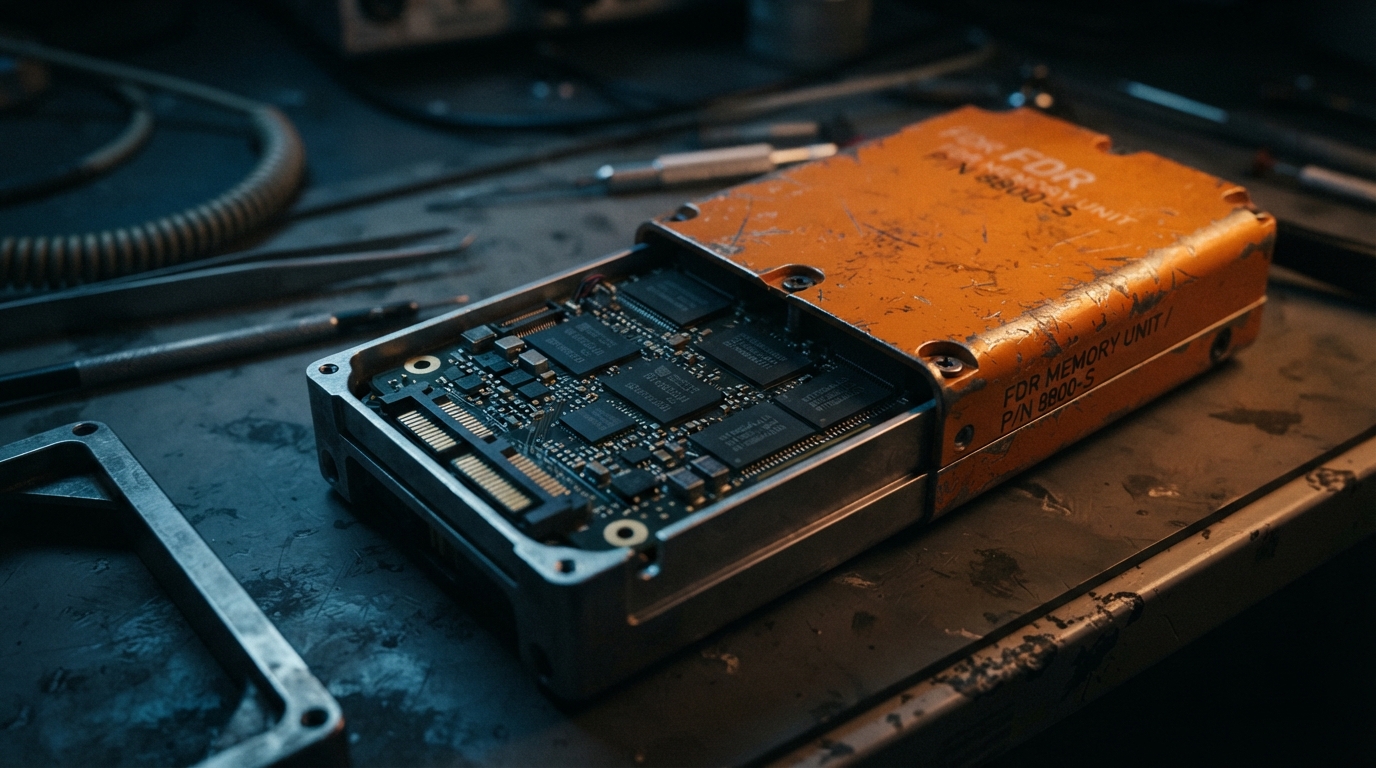
How do black boxes survive crashes that destroy planes? In this documentary, we explore the engineering behind cockpit voice recorders and flight data recorders, from their crash-survivability standards to underwater locator beacons. Learn how these unbreakable witnesses help investigators piece together aviation mysteries. Chapters: 00:00 The Unbreakable Witness 00:20 3,400 Gs. 1,100°C. 20,000 ft. 00:38 The Safest Seat 01:01 Why the tail? 01:15 The safest spot 01:33 Fortress in a box 01:51 Surviving 3,400 Gs 02:05 Fireproof fortress 02:24 Deep-sea endurance 02:44 Steel, ceramic, and memory 03:02 From tape to solid state 03:25 The solid-state revolution 03:46 25 hours of data 04:07 Finding the signal 04:24 37.5 kHz pulse per second 04:46 Race against time 05:06 When recovery fails 05:22 AF447: The deep search 05:41 MH370: The silent ping 06:06 The black box is not invincible 06:22 25 hours of data 06:40 The only witness 06:57 From crash to lesson 07:16 90% recovery rate 07:33 The only witness that never forgets 07:49 The physics of survivability 08:07 Testing to destruction 08:36 The memory inside 09:03 Why orange, not black 09:27 The beacon battery 09:54 When pings fail 10:12 The future of recorders 10:30 Safer because of the box Sources & further reading: • FAA Technical Standard Order TSO-C124a — Specifies crash survivability requirements for FDRs and CVRs. • ICAO Annex 6 - Operation of Aircraft — International standards for flight recorders and underwater locator beacons. • NTSB - Flight Data Recorder Handbook — https://www.ntsb.gov/investigations/process/Pages/Flight-Data-Recorder-Handbook.aspx • BEA Report on AF447 — Details recovery of black boxes from deep ocean. • Australian Transport Safety Bureau - MH370 Search — Documents the search for MH370's black boxes. • David Warren's original CVR design notes — Held at the National Museum of Australia.
From the video

More from Wings & Wrecks
Why Pilots Land Too Heavy on Purpose
Where Lightning Goes When It Hits an Airliner
Vasa Ship Stability Test That Proved She Would Capsize
The Ferry That Capsized in a Calm Harbor
WOULD YOU SEE THE TAPE?
WHY IS YOUR WINDOW ROUND?

How SS El Faro's Engine Stopped in a Hurricane