Why the Titanic's Rivets Failed in the Ice
About this video
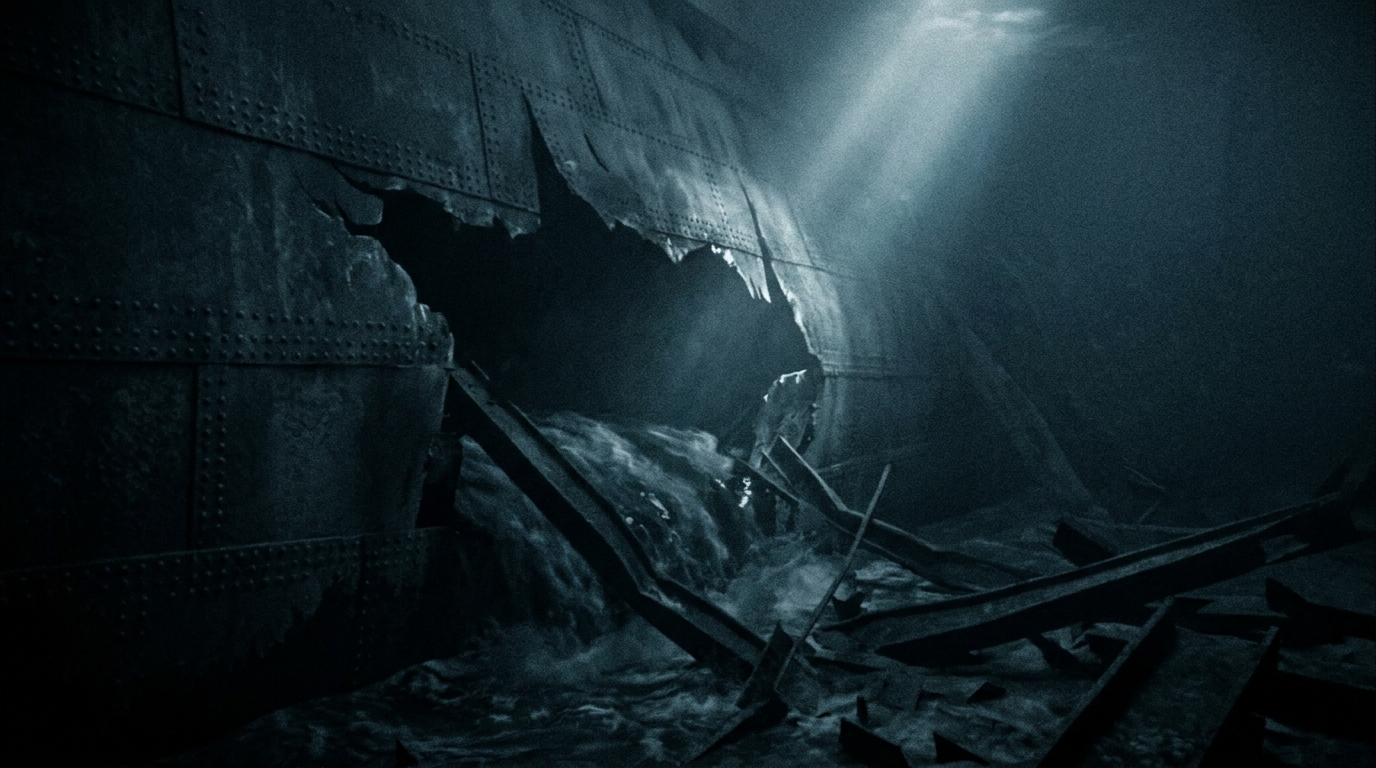
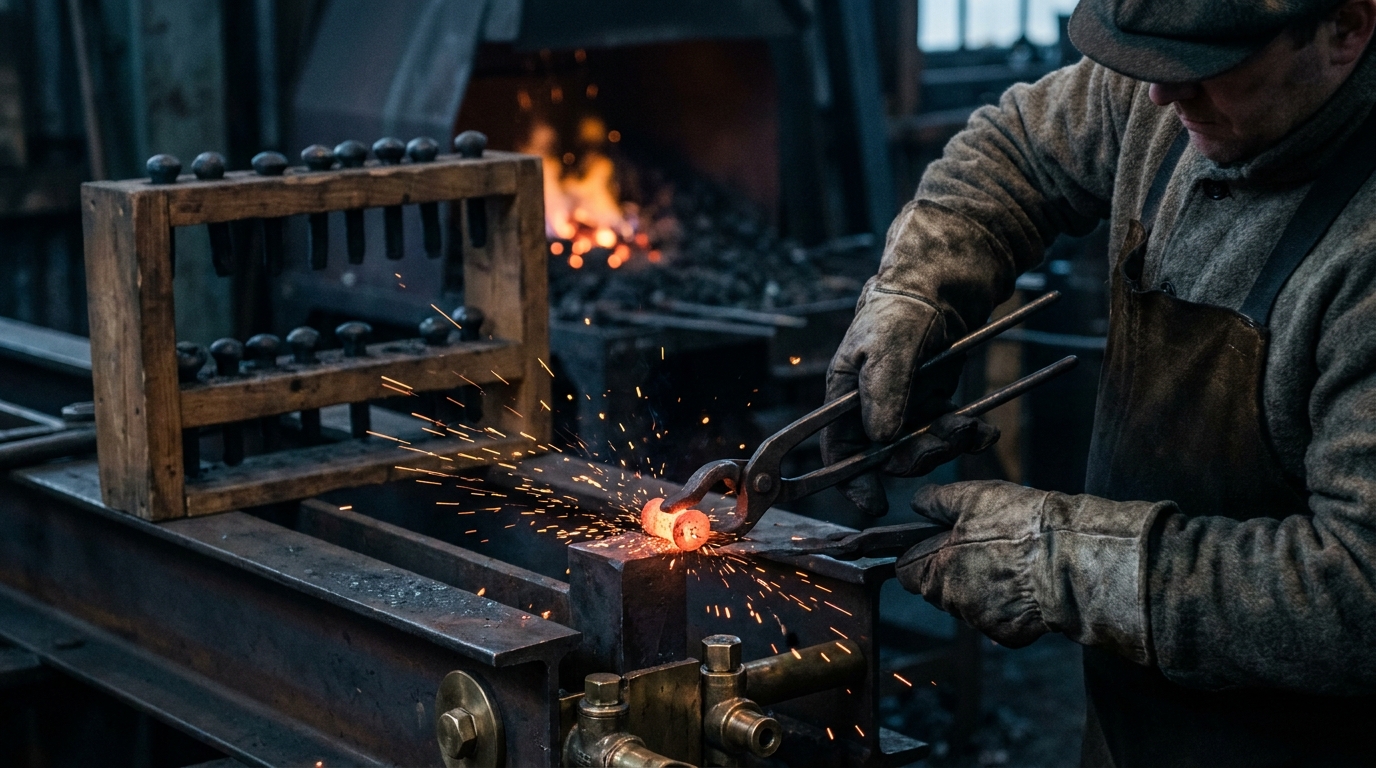
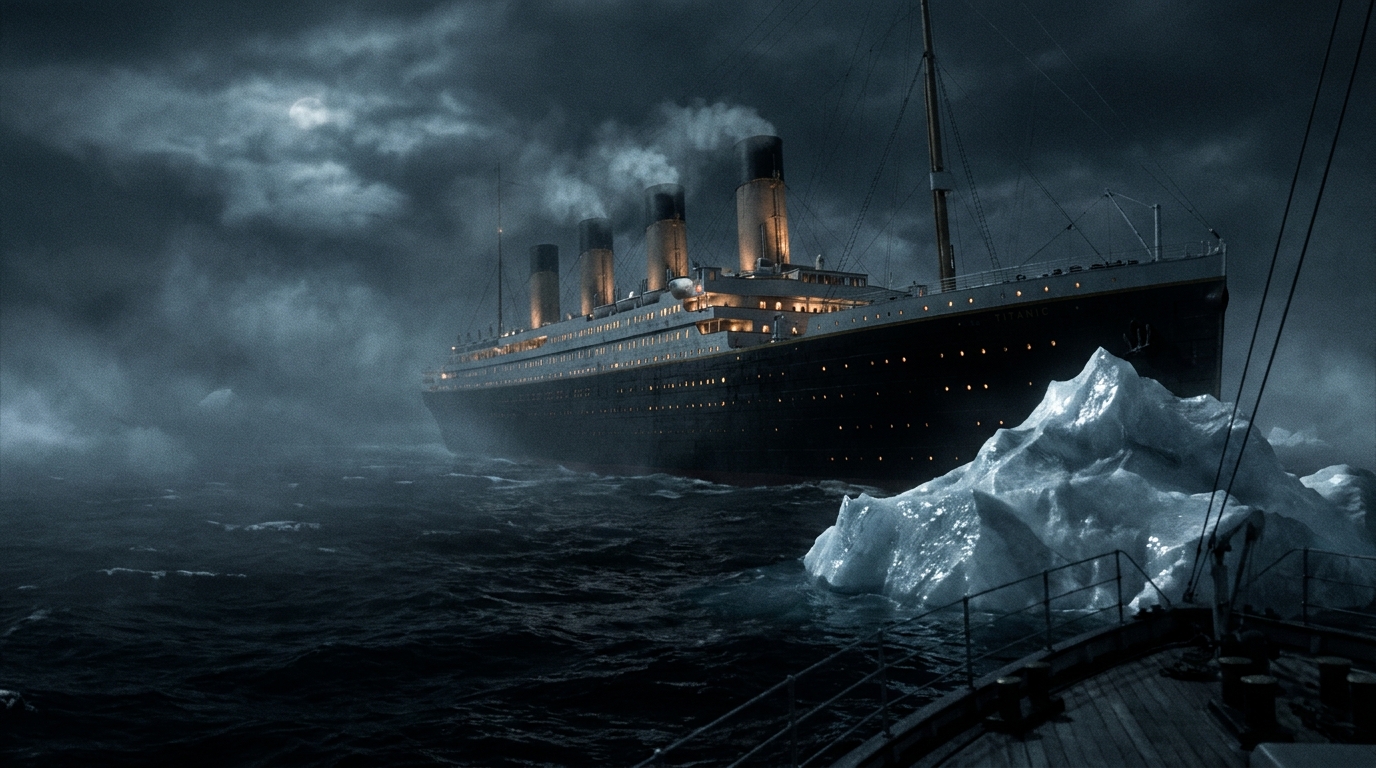
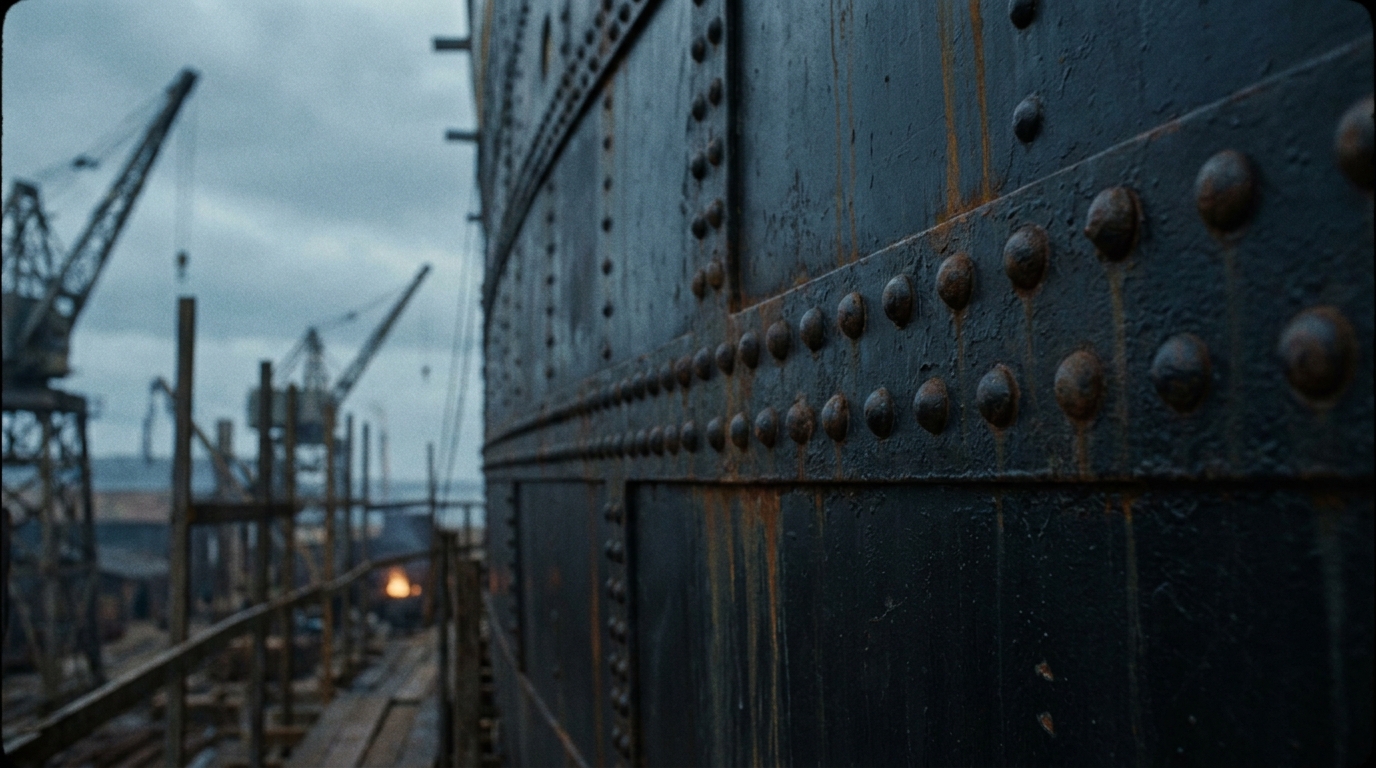
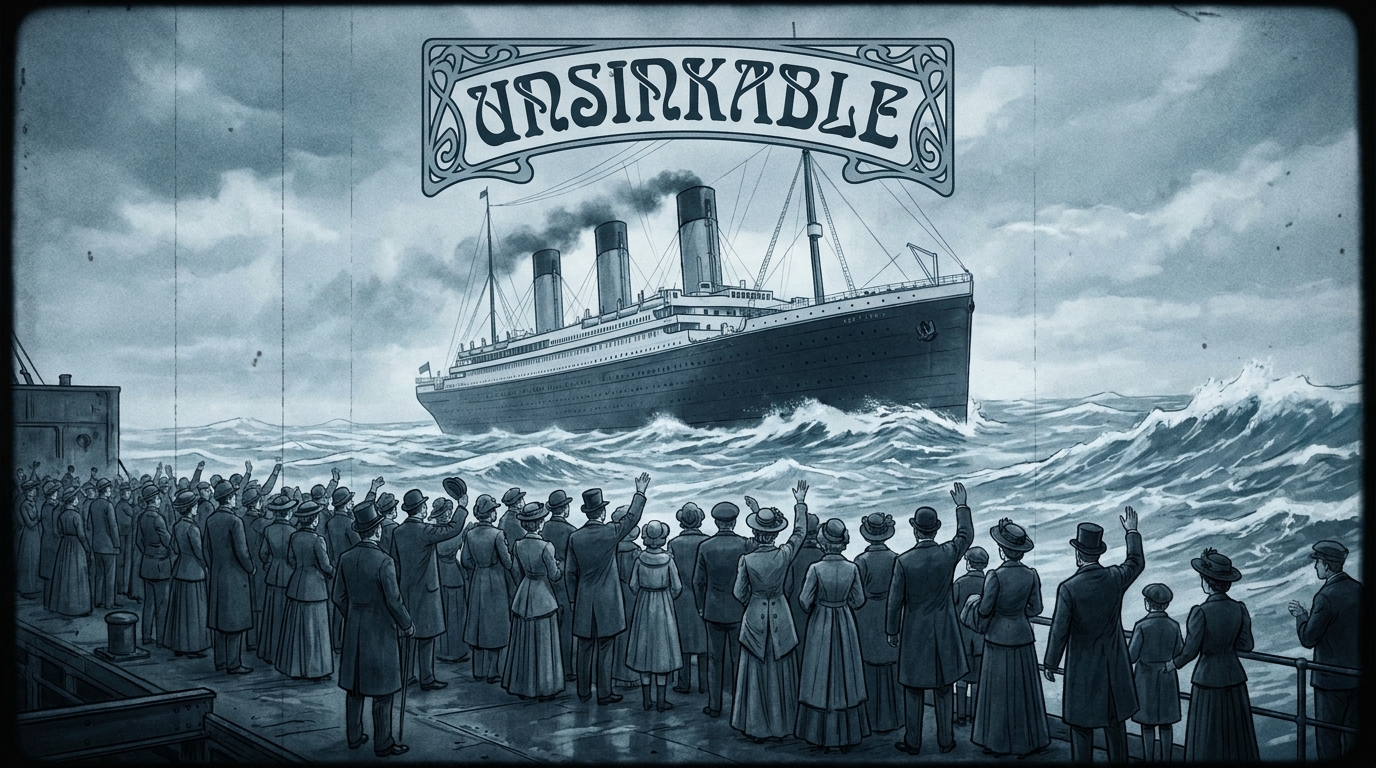
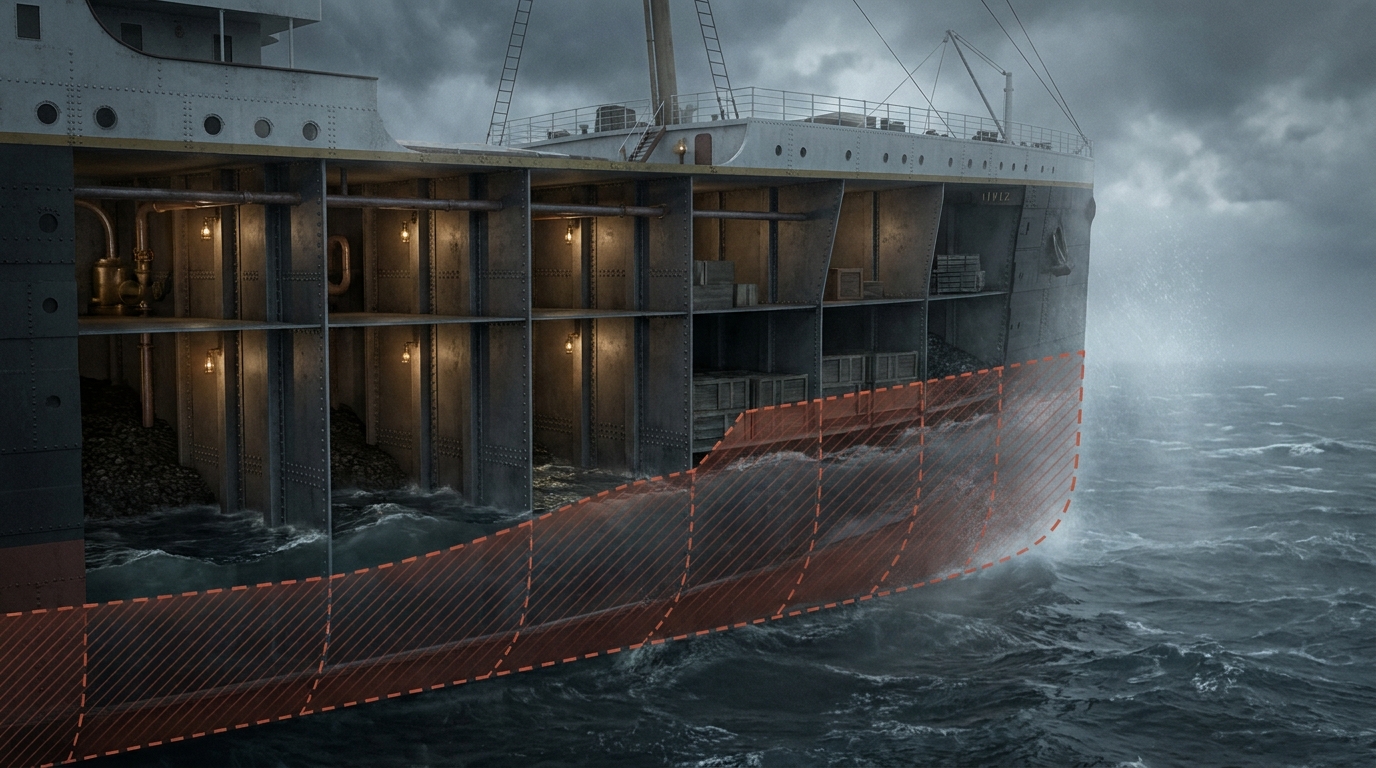
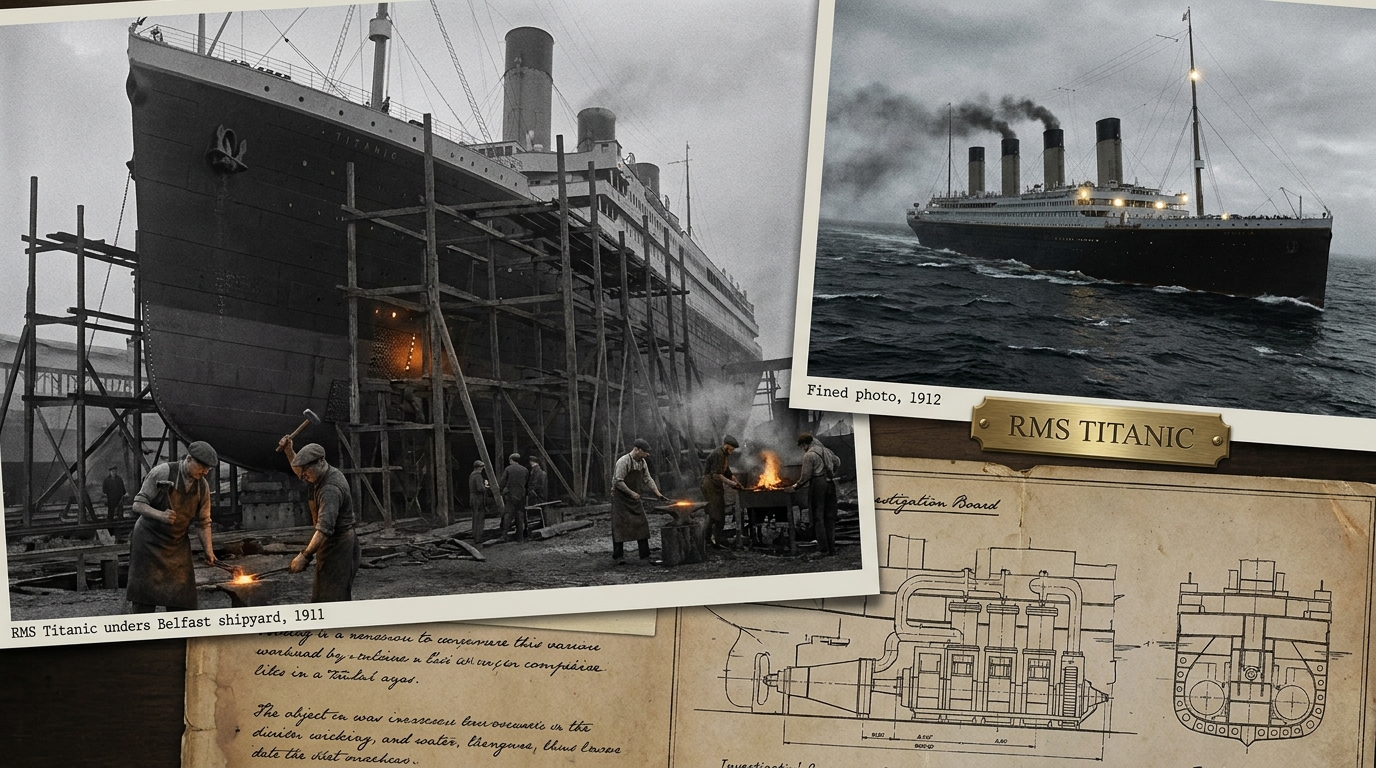
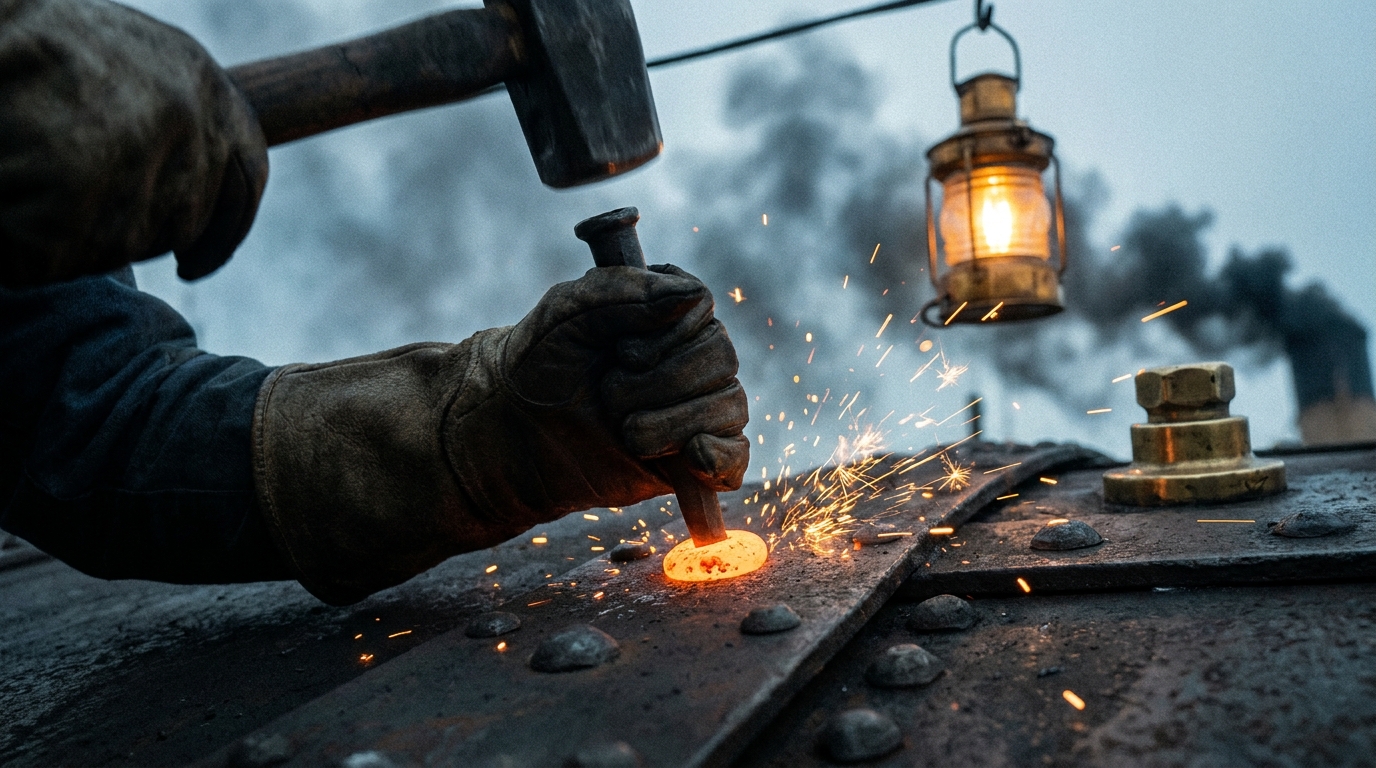
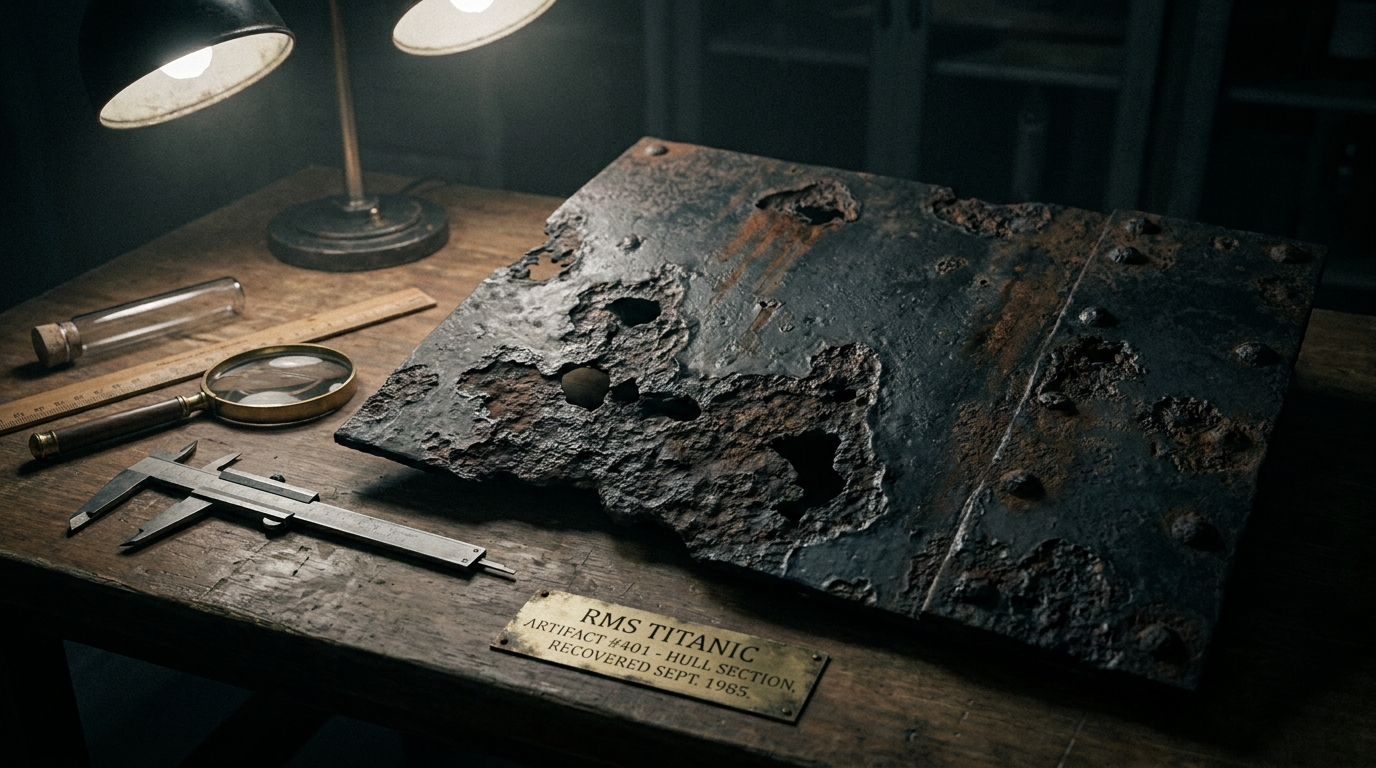
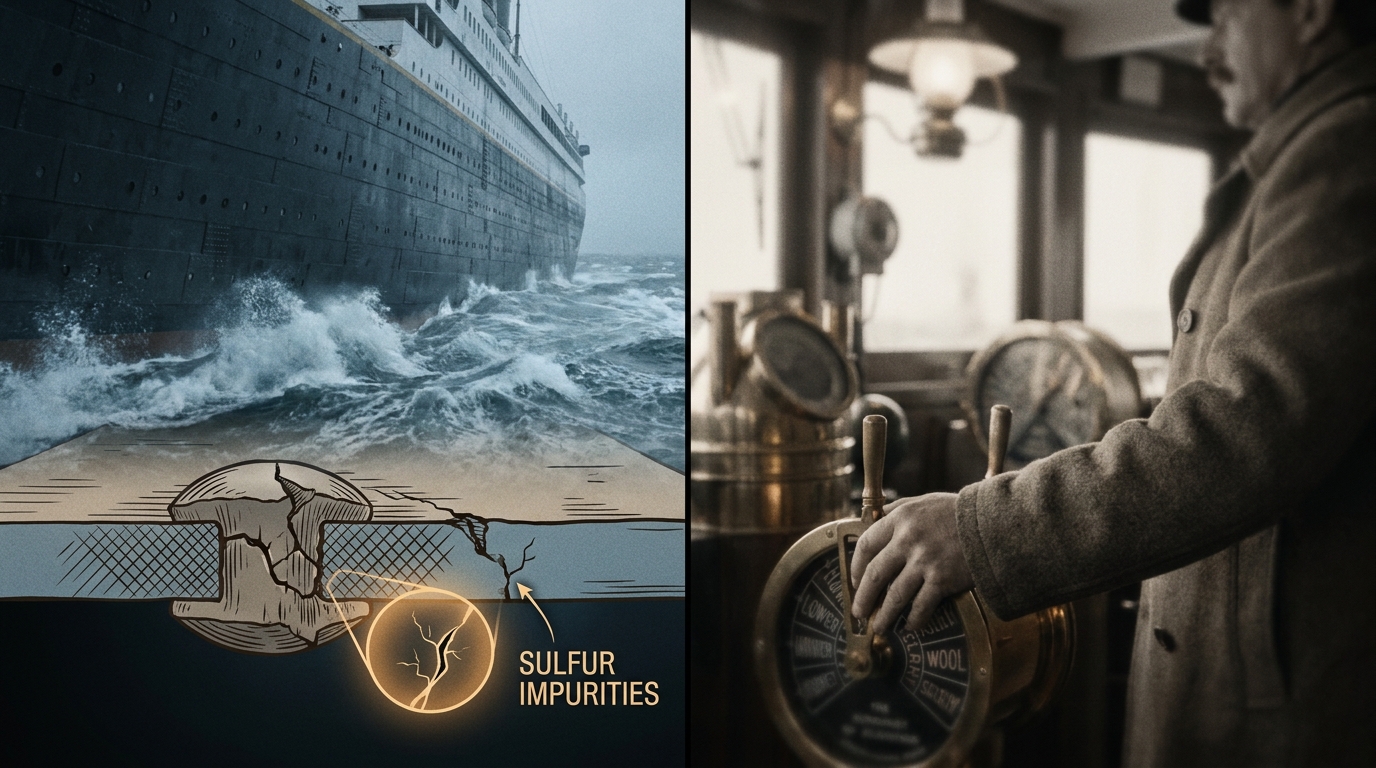
The Titanic sinking wasn't caused by the iceberg alone—it was the high-sulfur wrought iron rivets that shattered on impact instead of bending. This video reveals the metallurgical evidence showing how cost-cutting decisions and brittle fracture in freezing water turned a glancing blow into a fatal gash that doomed the unsinkable ship. Chapters: 00:00 The fatal gash 00:16 The Impact 00:32 Built to be Unsinkable 00:48 Forging the Giant 01:04 The Hidden Flaw 01:20 Why did the rivets shatter? 01:36 The rivets snap, the hull opens 01:52 The steel was waiting to fail 02:08 The cost-cutting order 02:24 The arrogance of unsinkable 02:40 Testing the steel of tomorrow 02:56 Why the rivets failed 03:12 The unsinkable myth Sources & further reading: • The Role of Metallurgy in the Sinking of the Titanic — A study by Hooper and McCarty (2012) analyzing the metallurgical properties of the Titanic's hull and rivets. • Encyclopedia Titanica — https://www.encyclopedia-titanica.org/ • Titanic: The Real Story of the Construction of the World's Most Famous Ship — A book by Anton Gill that details the construction and materials used. • The Titanic: The Extraordinary Story of the 'Unsinkable' Ship — A documentary by National Geographic that includes metallurgical analysis. • Materials Science and Engineering: An Introduction — A textbook by William D. Callister that explains brittle fracture and sulfur's effect on steel. • The Sinking of the Titanic: The Mystery Solved — A documentary that explores the metallurgical evidence and its implications.
From the video
More from Wings & Wrecks

Why Pilots Land Too Heavy on Purpose
Where Lightning Goes When It Hits an Airliner
Vasa Ship Stability Test That Proved She Would Capsize
The Ferry That Capsized in a Calm Harbor
WOULD YOU SEE THE TAPE?
WHY IS YOUR WINDOW ROUND?
How SS El Faro's Engine Stopped in a Hurricane