Who Actually Pays a Tariff? Follow One Washing Machine to Find Out
The importer writes the check to customs — that's the law. But the cost doesn't stop there. Here's how a tariff migrates to whoever has the least leverage, traced through one $800 washing machine.
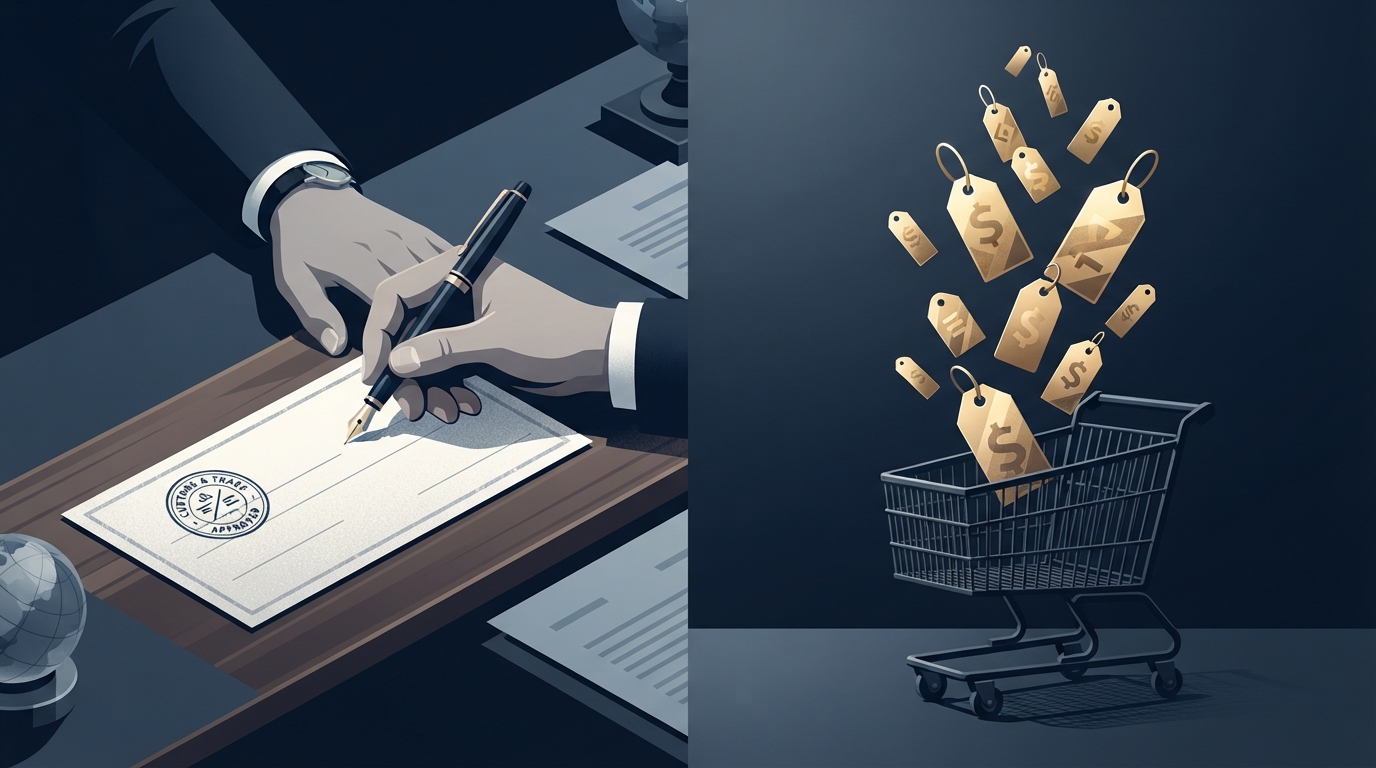
When a tariff is imposed, the importing company writes a check to customs — that's the law. Yet walk into a store afterward and the price tags have quietly climbed. The importer paid, but your wallet got lighter.
Follow the washing machine
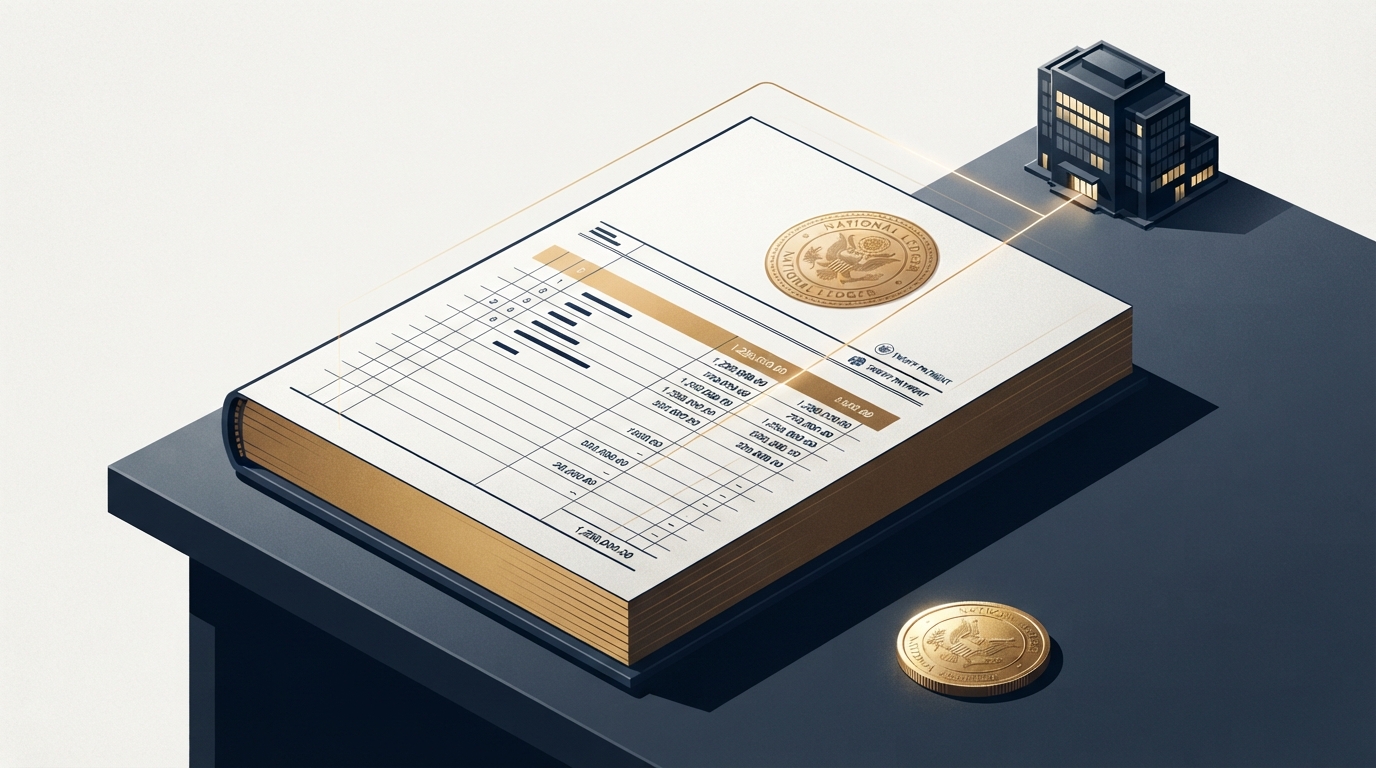
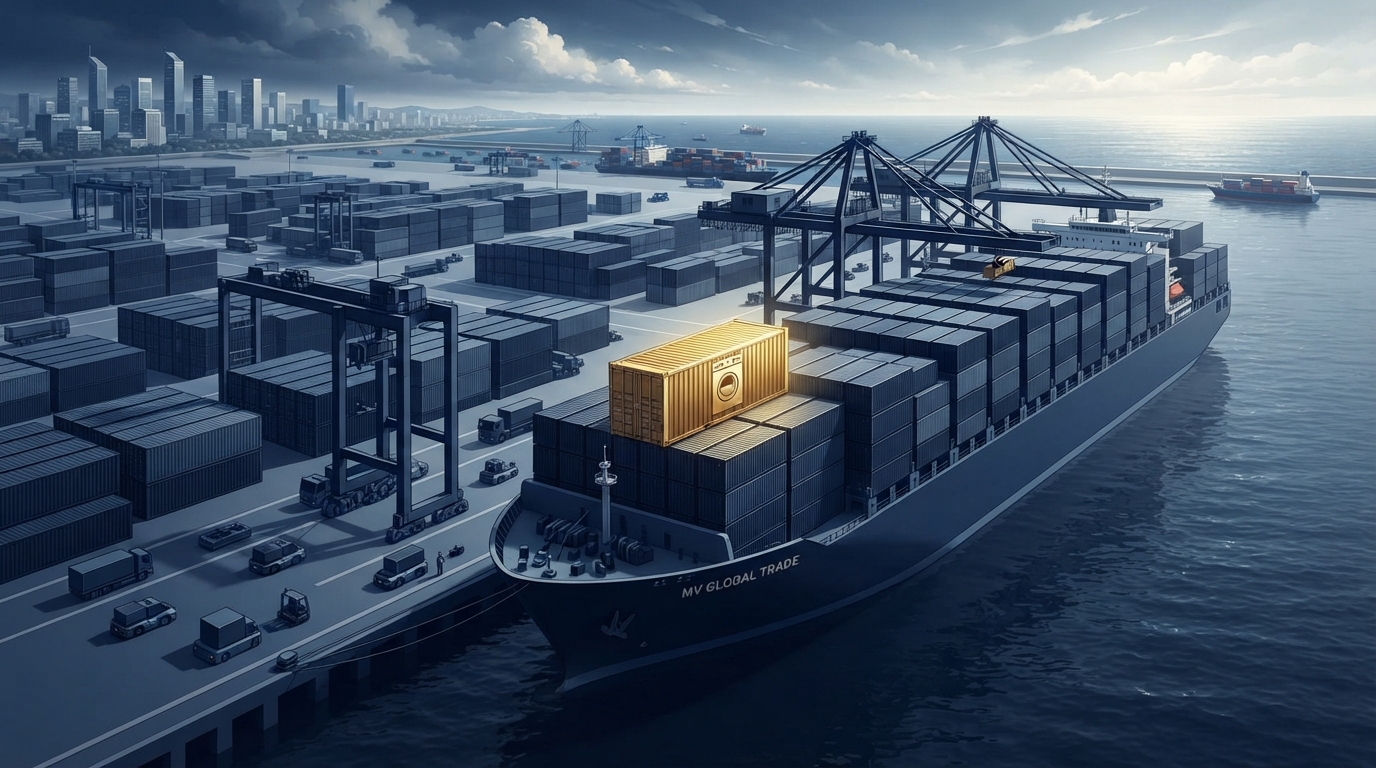
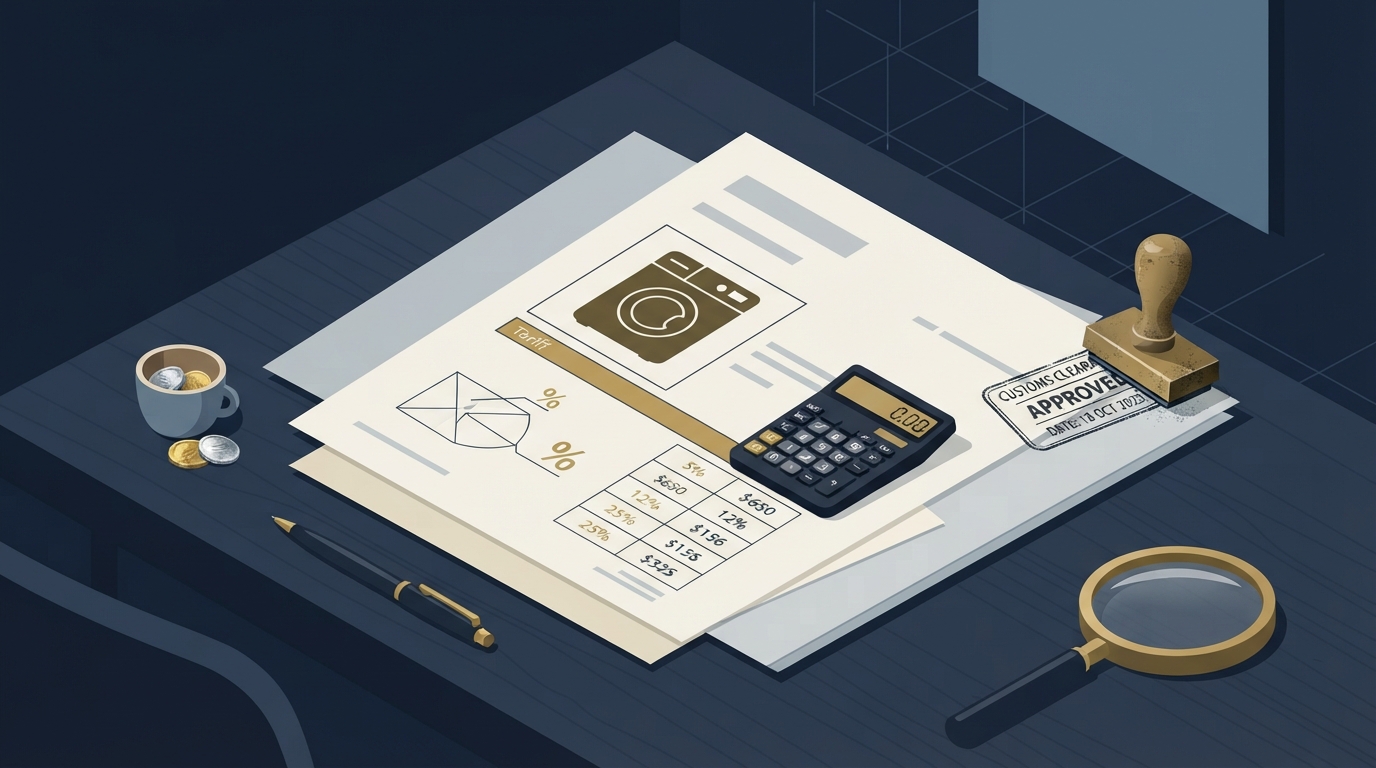
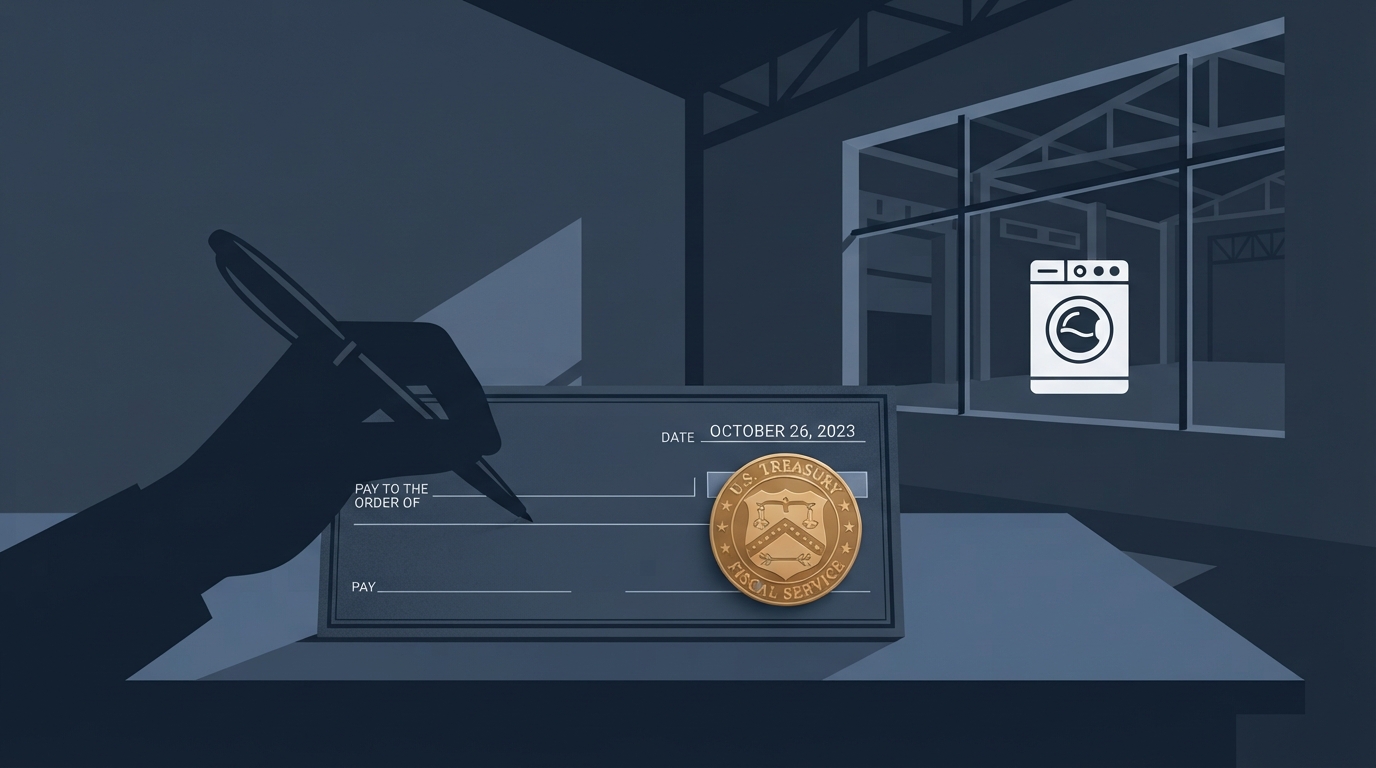
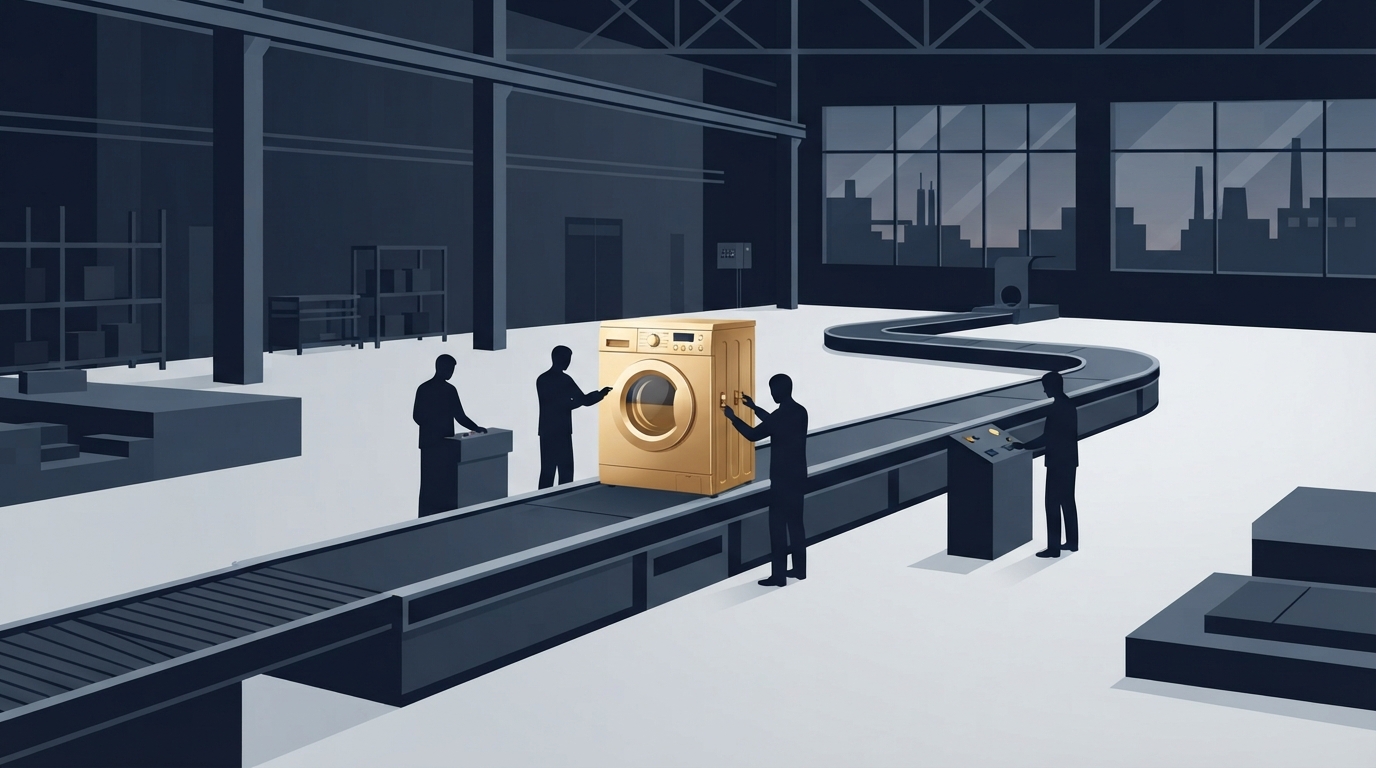
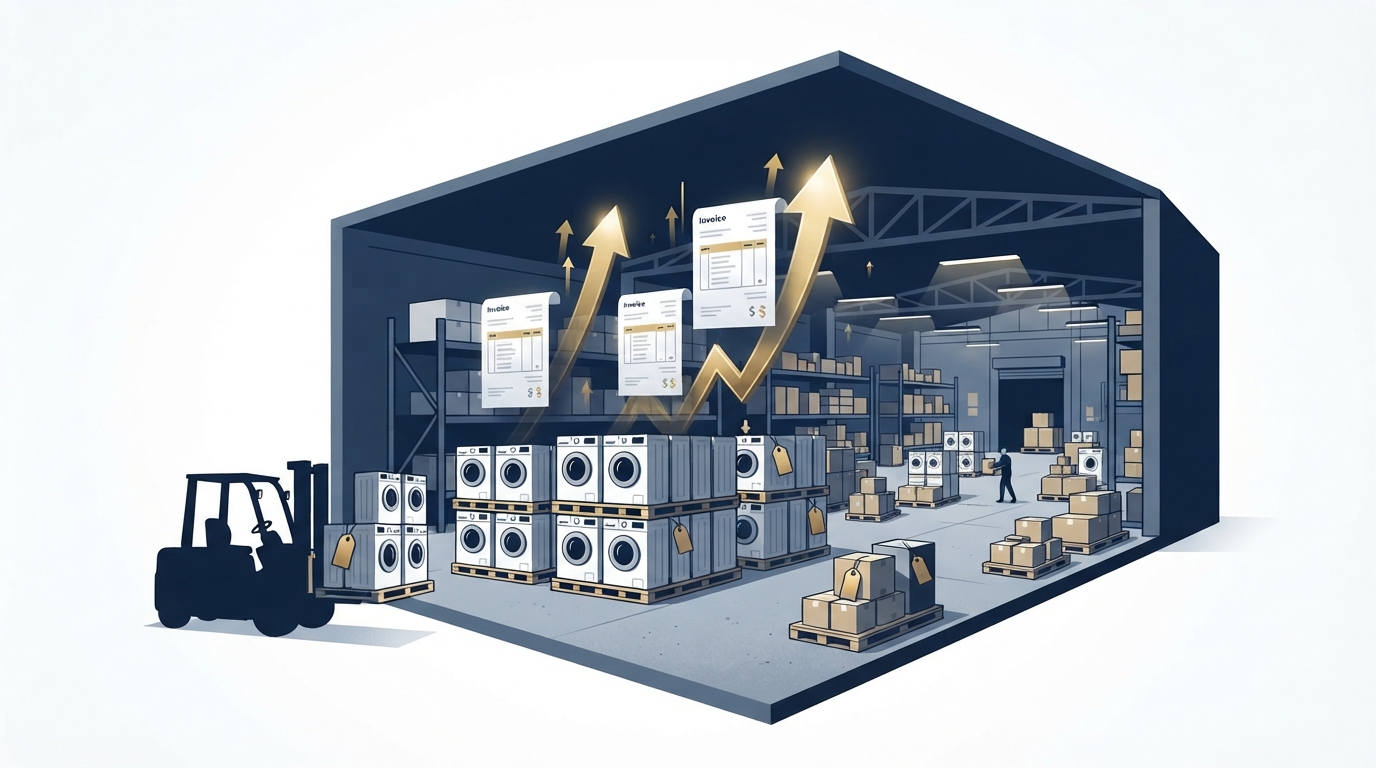
A washing machine arrives at the Port of Los Angeles from South Korea. Before the importer can take delivery, Customs calculates the duty — say 25% of the declared value — and the importer writes a check to the Treasury. No payment, no release.
Notice who did not pay: the Korean manufacturer. It was paid when it loaded the ship, and is out of the fight before the tariff even lands. This is a tax on the American importer.
Three doors, one tax
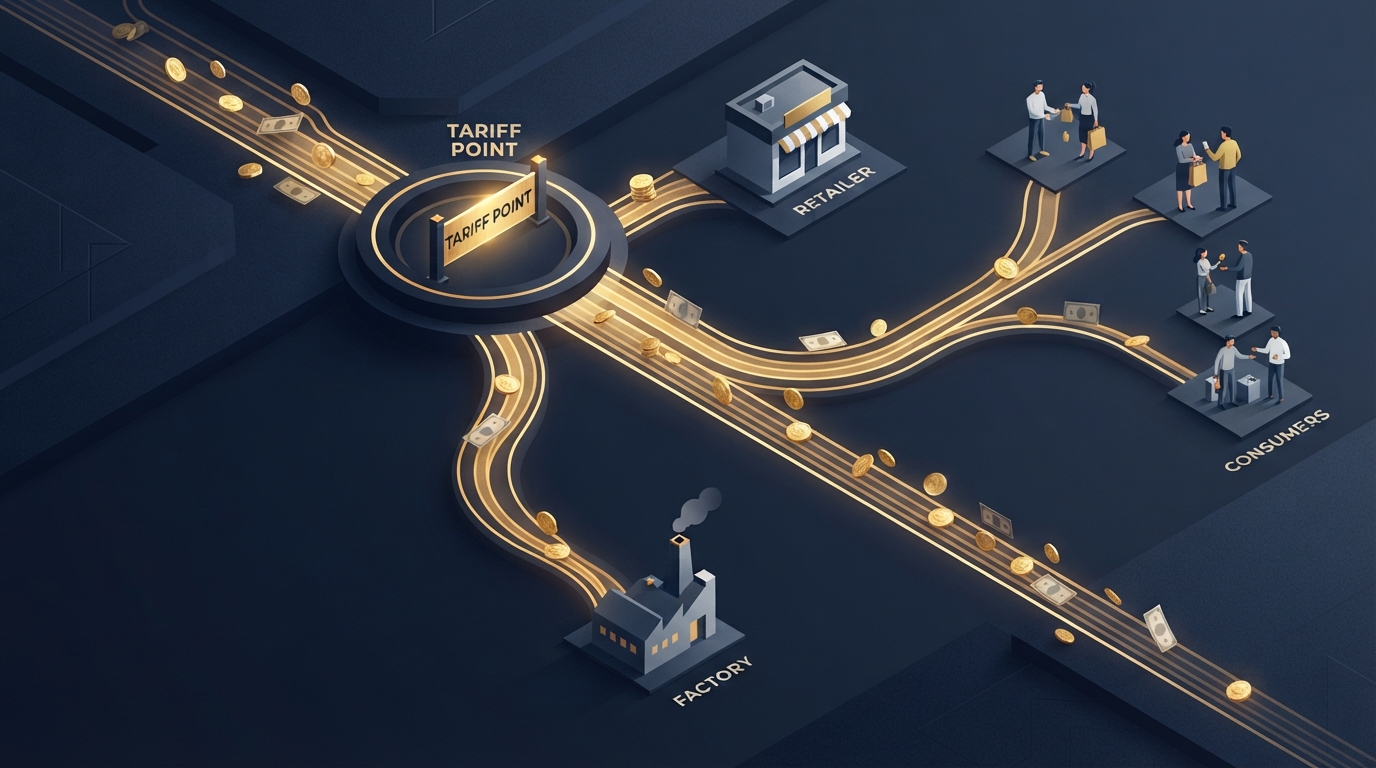
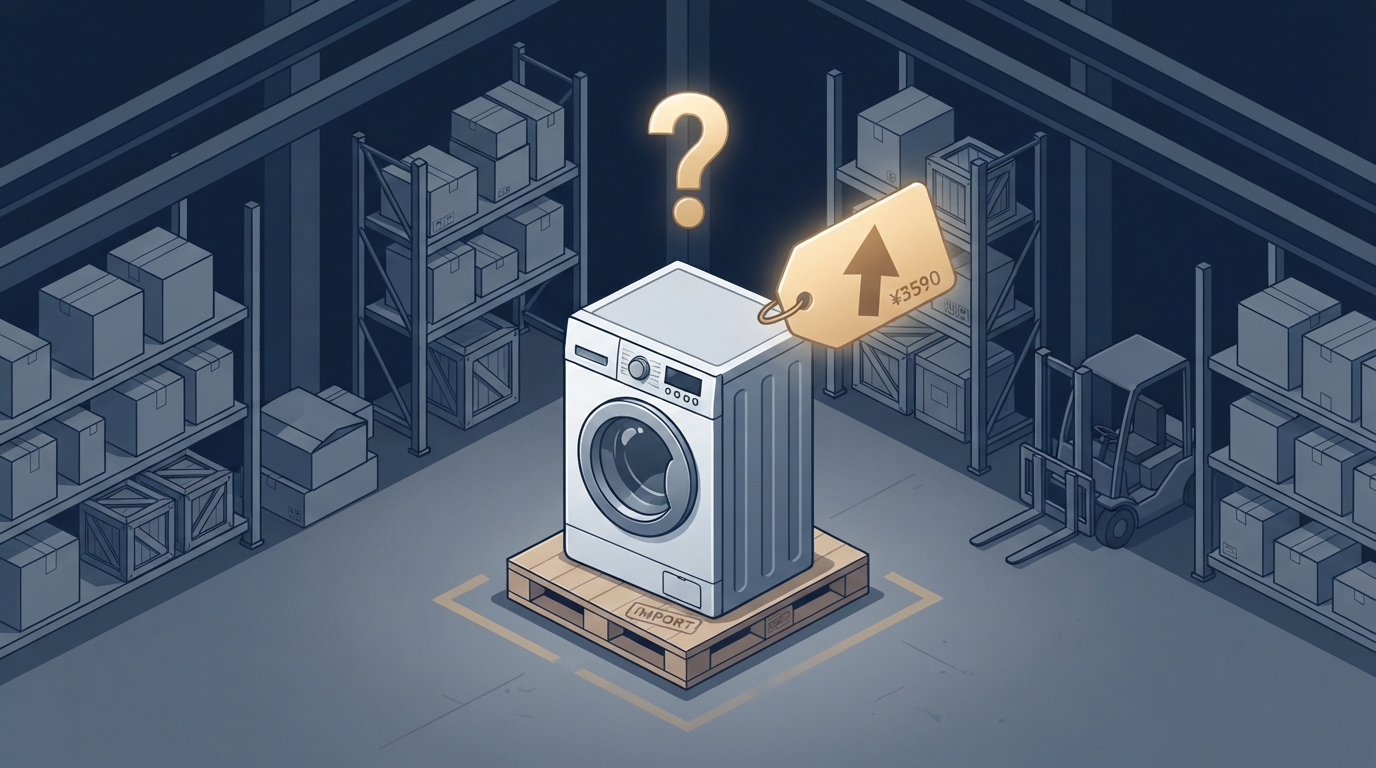
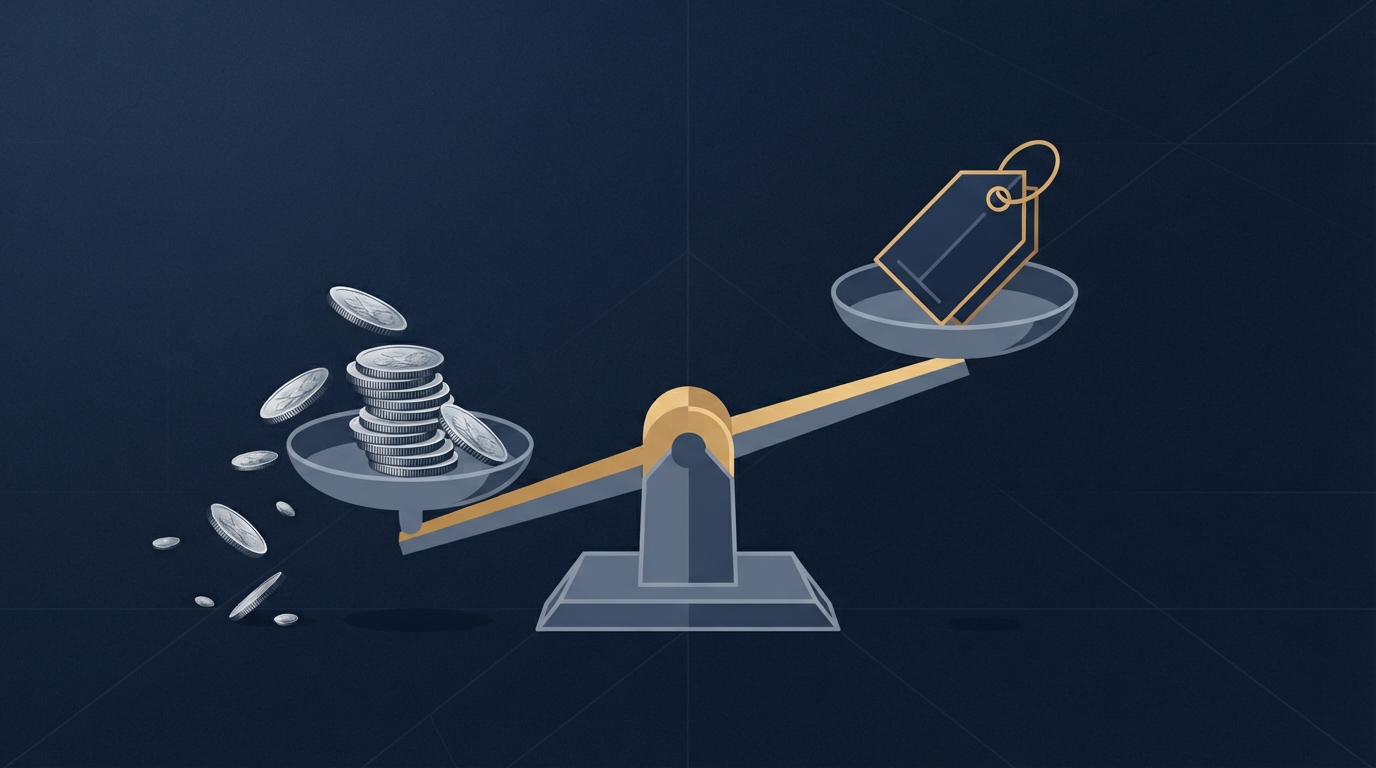
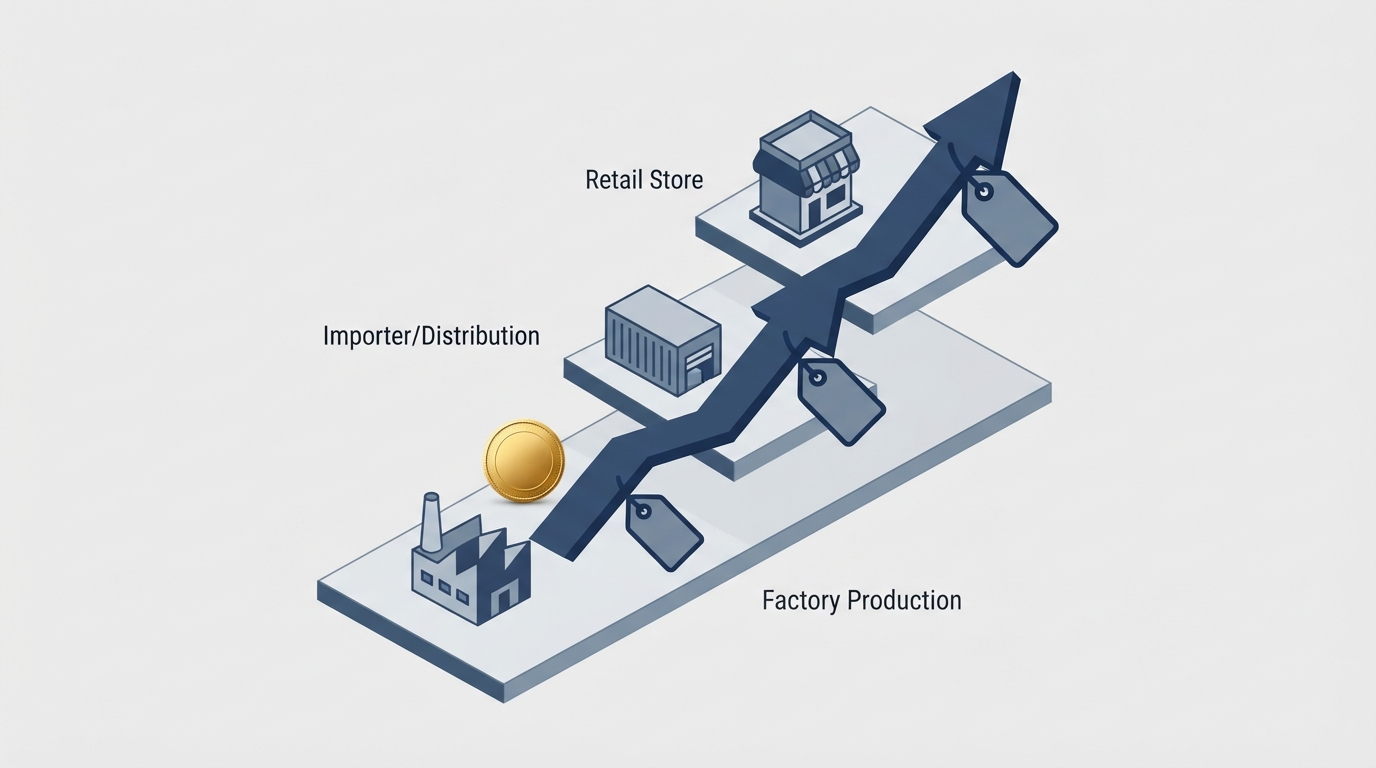
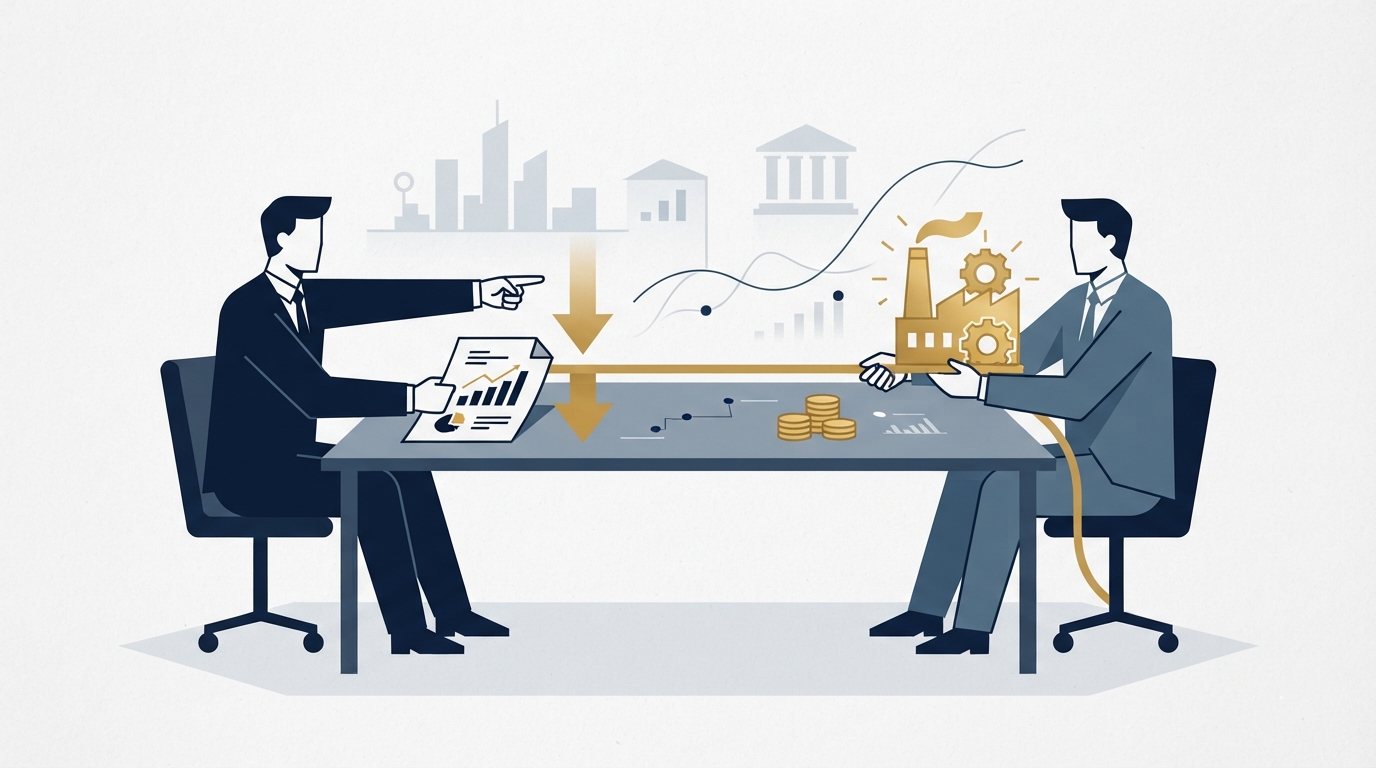
The importer now owns a machine that just became 25% more expensive to acquire, and has three choices: absorb the cost by cutting its own margin, pass it through to the retailer and consumer, or push it back by demanding a lower export price from the supplier.
This is a tax on the American importer, not the Korean manufacturer. The foreign company already got paid when it loaded the ship — it's out of the fight before the tariff even lands.
Watch at 01:00
Common questions
- Do foreign countries pay the tariffs?
- Generally no. The importer of record — a domestic company — pays customs. A foreign exporter only bears part of the cost if it agrees to lower its export price, which happens when it faces stiff competition and cannot afford to lose the sale.
- Why do tariffs usually raise consumer prices?
- Because pass-through is the path of least resistance. Unless the importer has fat margins to absorb the duty or enough leverage to force a supplier discount, the extra cost travels down the chain to the sticker price.
- If the importer pays, why do economists dislike tariffs?
- Because the burden lands somewhere regardless — on profit, suppliers, or consumers — and the friction reduces total trade. Retaliation and supply-chain rerouting add further costs that a single duty figure hides.
From the video
More from Macro Plainly
Japan Bought 5 Trillion Yen of Foreign Assets in Two Weeks: Why Now?
Why Mass Layoffs Boost Stock Prices Instantly
Rent as a Recession Warning

The 2020 Negative Oil Freakout

Insurance Exits Erase Home Value

The $250 Tariff Mystery: Why Retail Prices Don't Jump
Why Unemployment Drops But You Still Feel It
