Understanding Quantitative Easing: How Central Banks Buy Bonds and Control Inflation
About this video
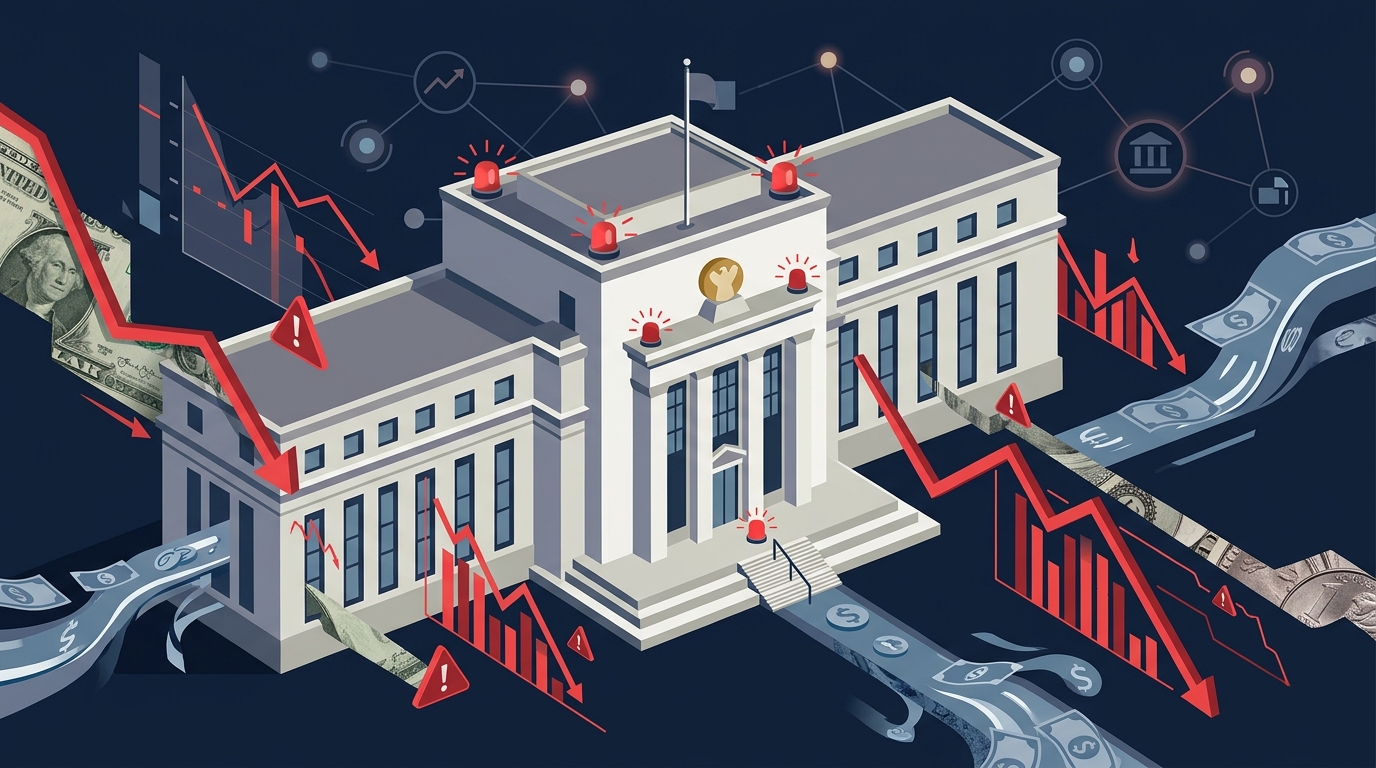
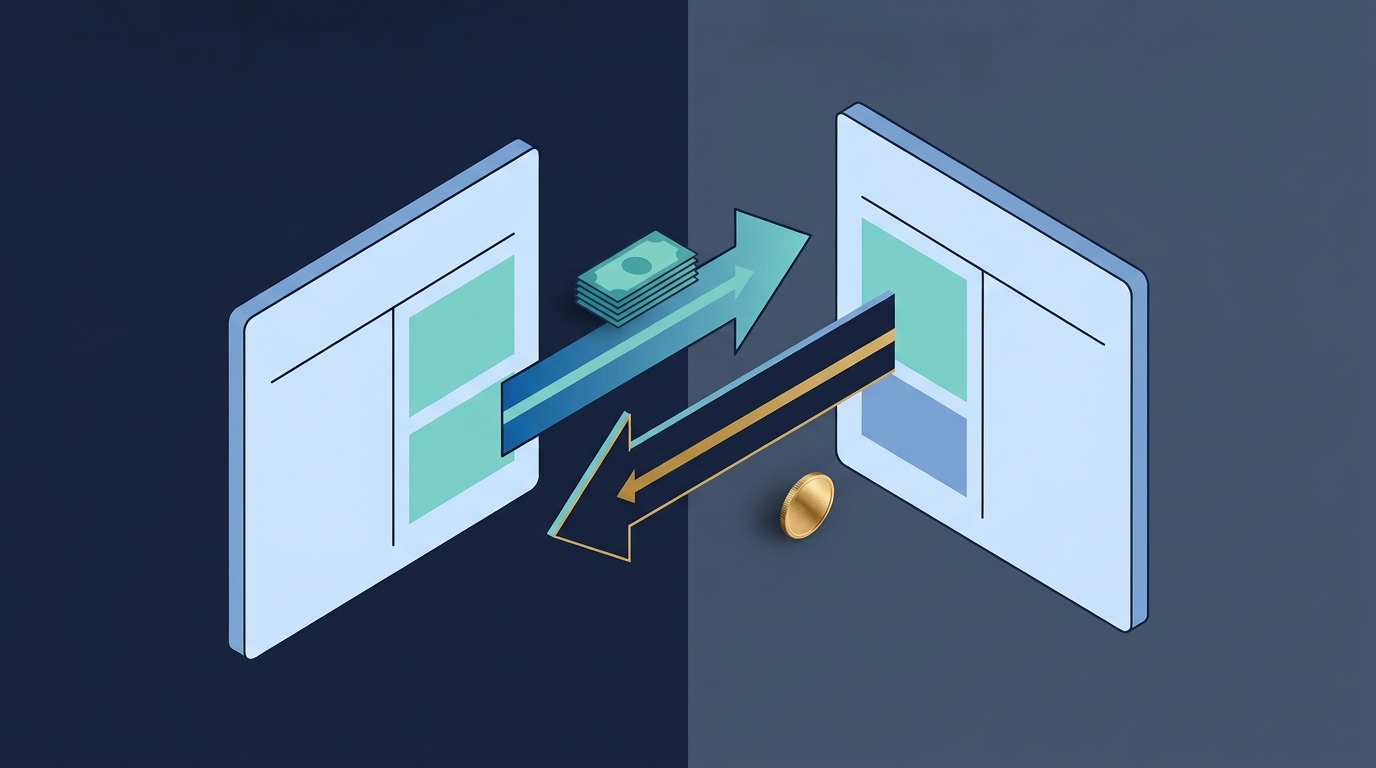
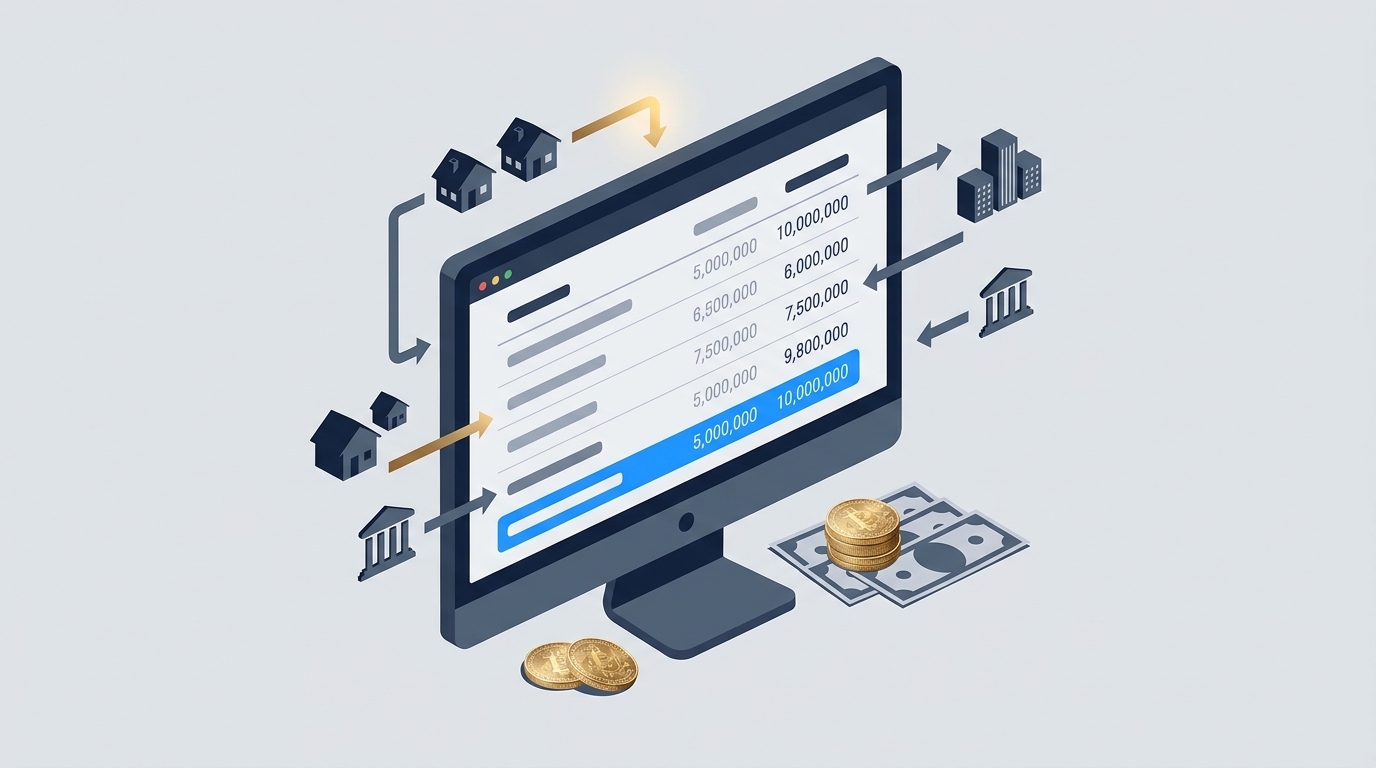
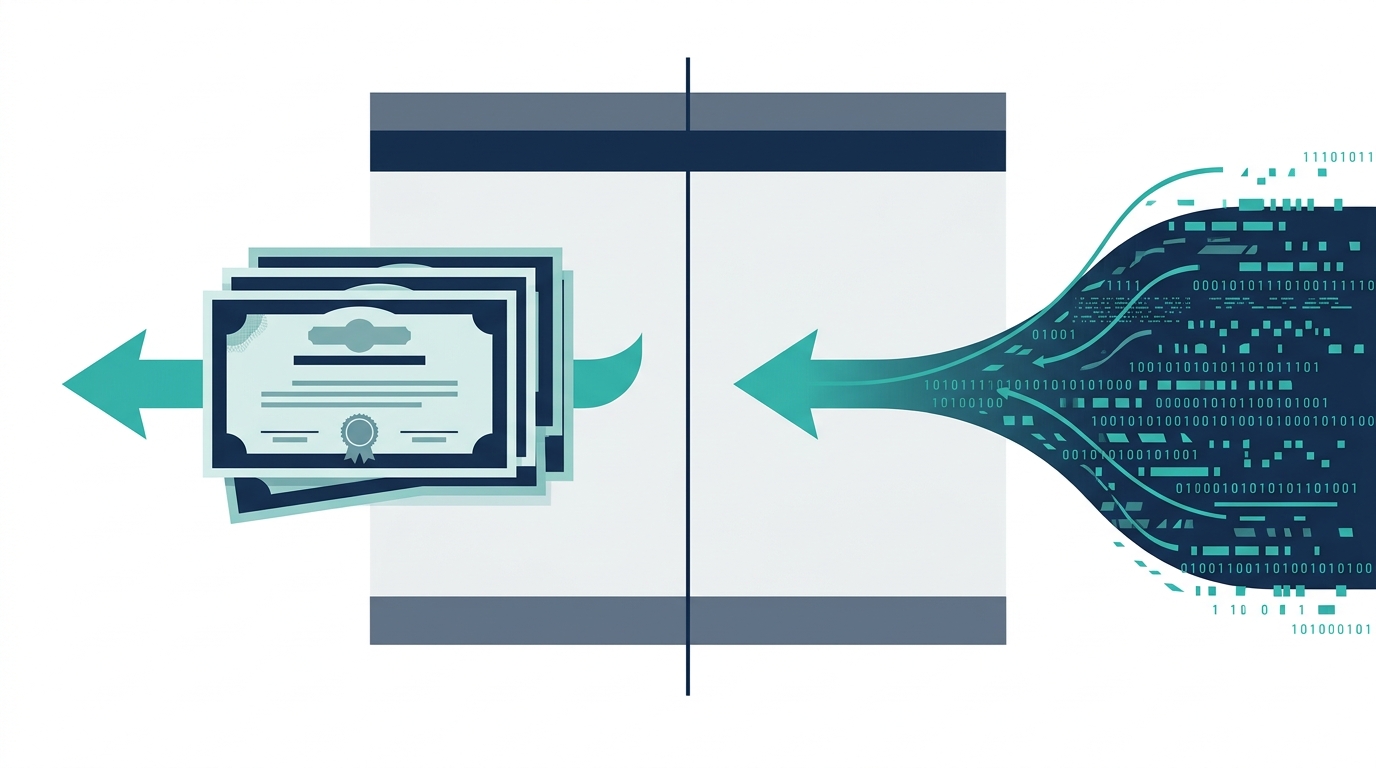
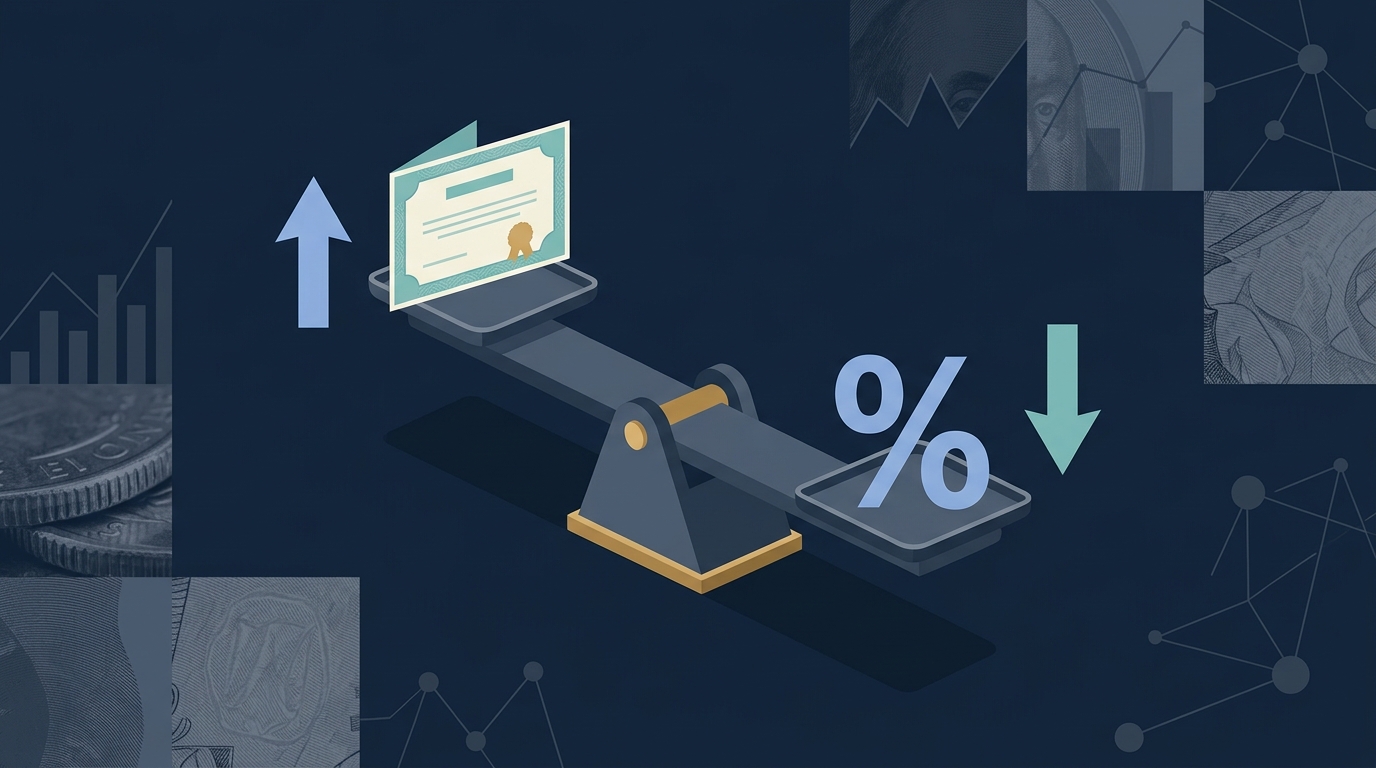
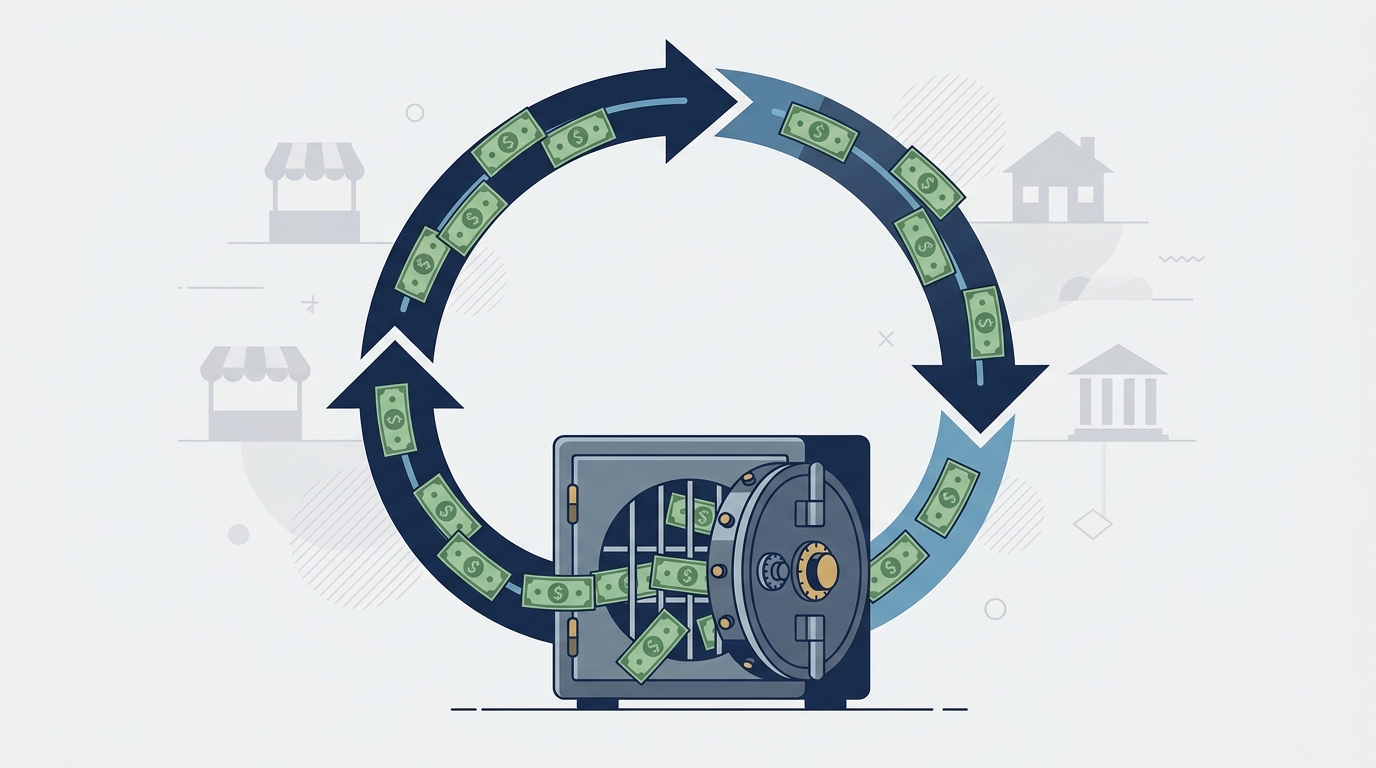
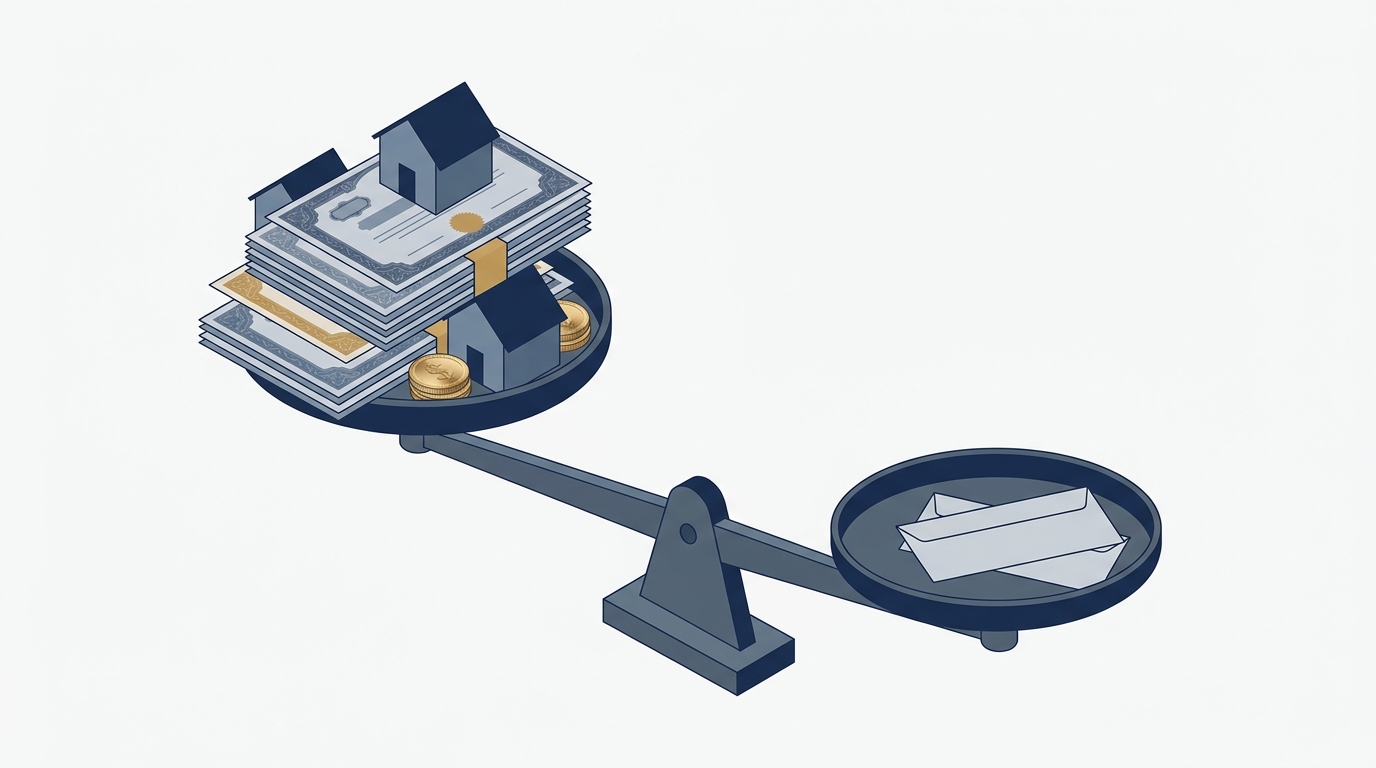
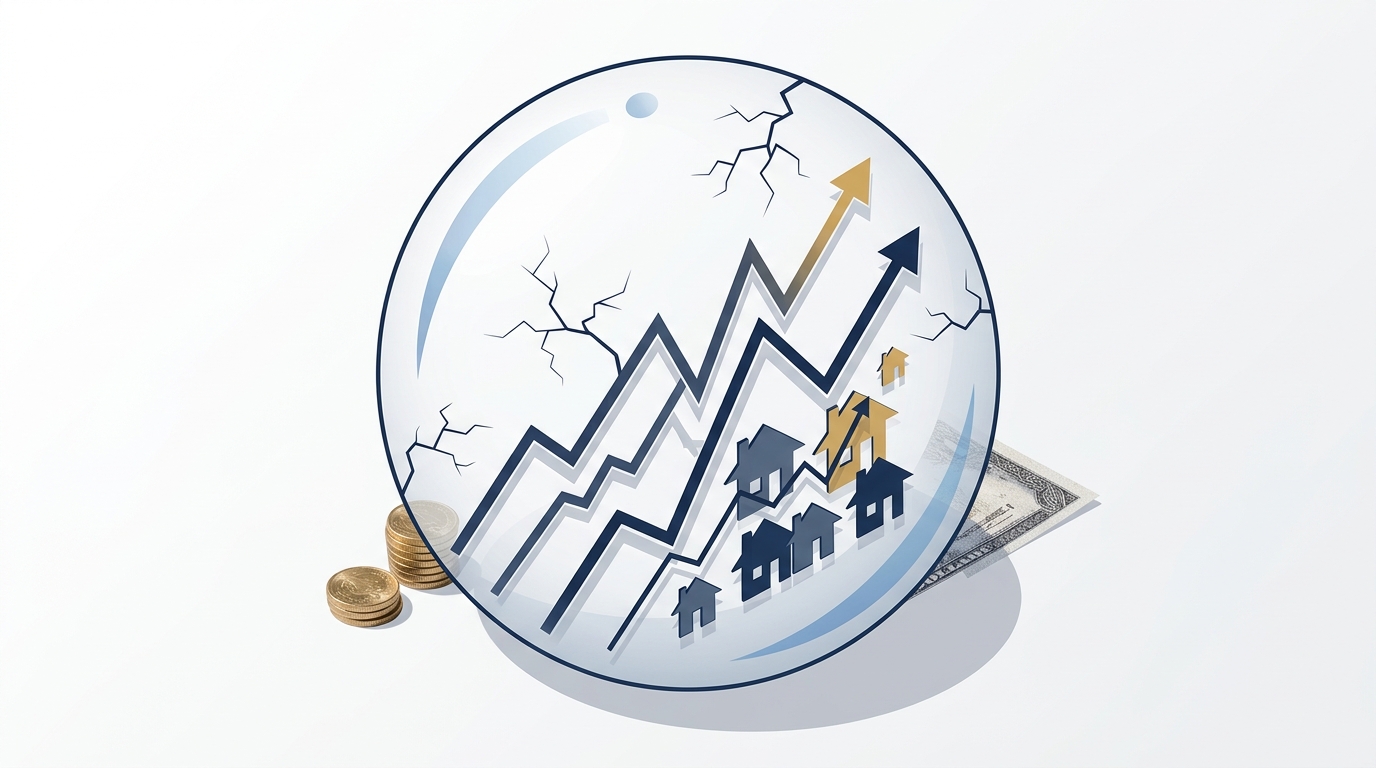
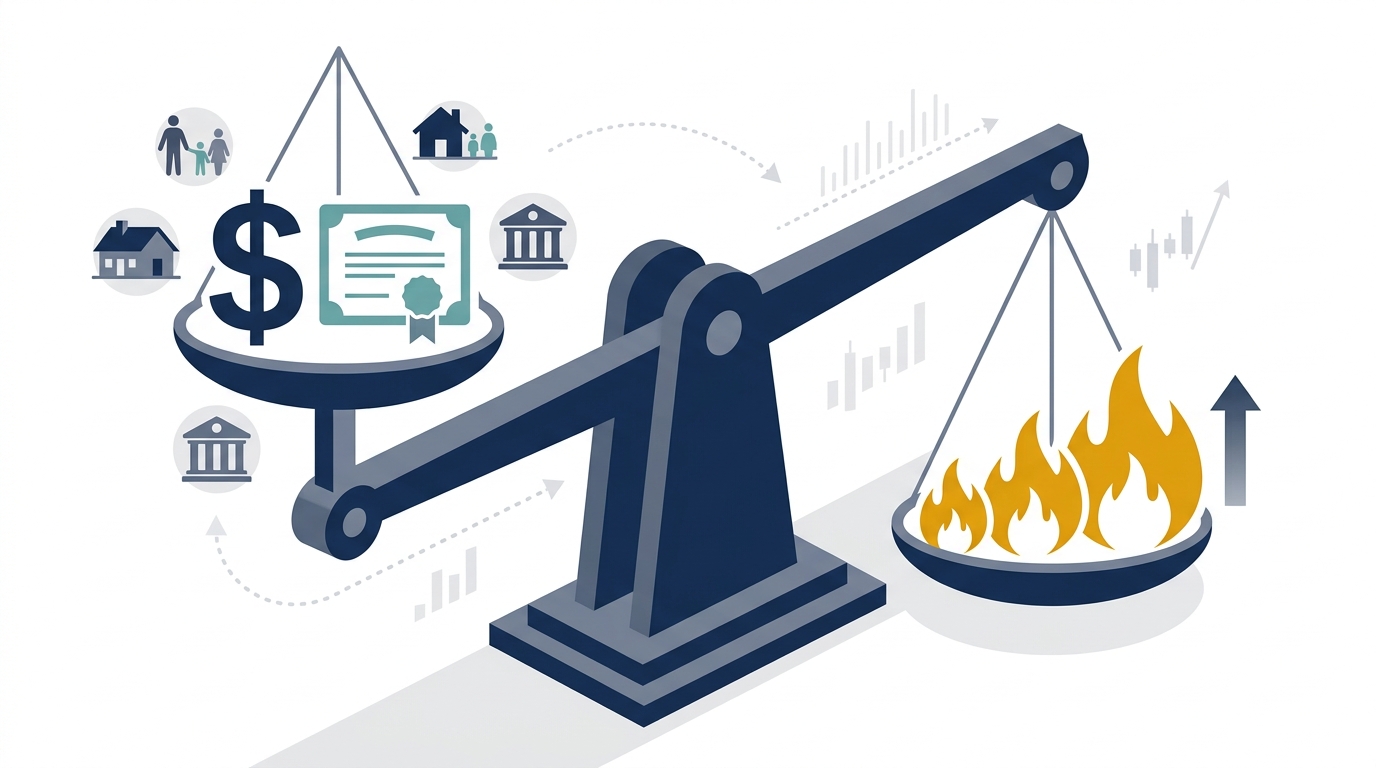
Quantitative easing, or QE, involves central banks buying government bonds to inject money into the economy. This video explains how QE works, why it doesn't cause immediate inflation, and its impact on interest rates. Discover the mechanics behind this financial tool and its role during economic crises. Chapters: 00:00 Crisis Playbook 00:10 Why No Collapse? 00:26 The Asset Swap 00:42 The Digital Transaction 00:58 The Asset Swap 01:14 The Price Shift 01:30 Borrowing Costs Plunge 01:46 The Velocity Factor 02:02 QE Goes Worldwide 02:18 QE Programs Compared 02:34 QE Winners by Asset Class 02:50 The Hidden Costs 03:06 No Easy Exit Sources & further reading: • Federal Reserve — https://www.federalreserve.gov • Bank of England — https://www.bankofengland.co.uk • Bank of Japan — Early adopter of QE, with extensive research on its effects. • European Central Bank — https://www.ecb.europa.eu • Bank for International Settlements — Research on the broader economic effects of QE. • IMF — https://www.imf.org
From the video

More from Macro Plainly
Japan Bought 5 Trillion Yen of Foreign Assets in Two Weeks: Why Now?

Why Mass Layoffs Boost Stock Prices Instantly

Rent as a Recession Warning

The 2020 Negative Oil Freakout

Insurance Exits Erase Home Value

The $250 Tariff Mystery: Why Retail Prices Don't Jump

Why Unemployment Drops But You Still Feel It
