They Sealed a Box on the Seafloor. Oxygen Rose.
About this video
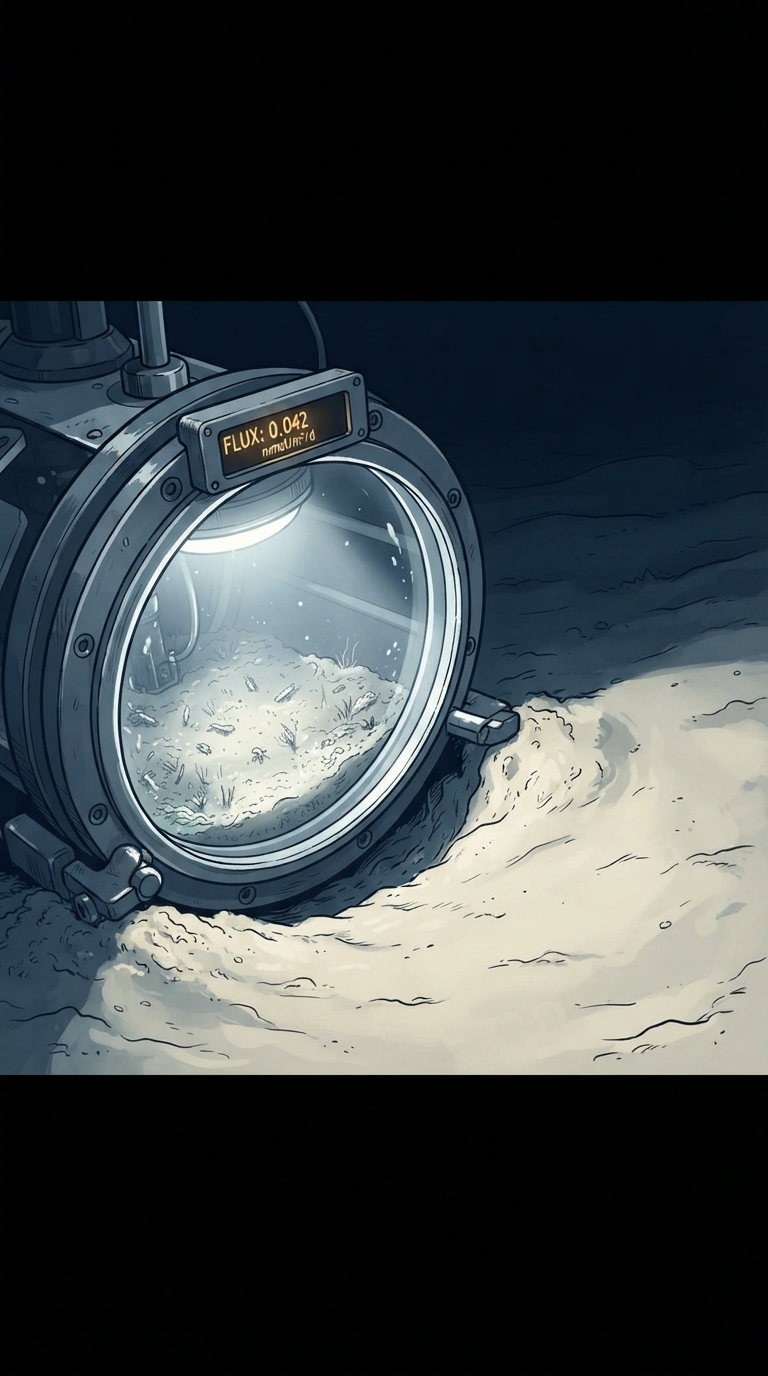
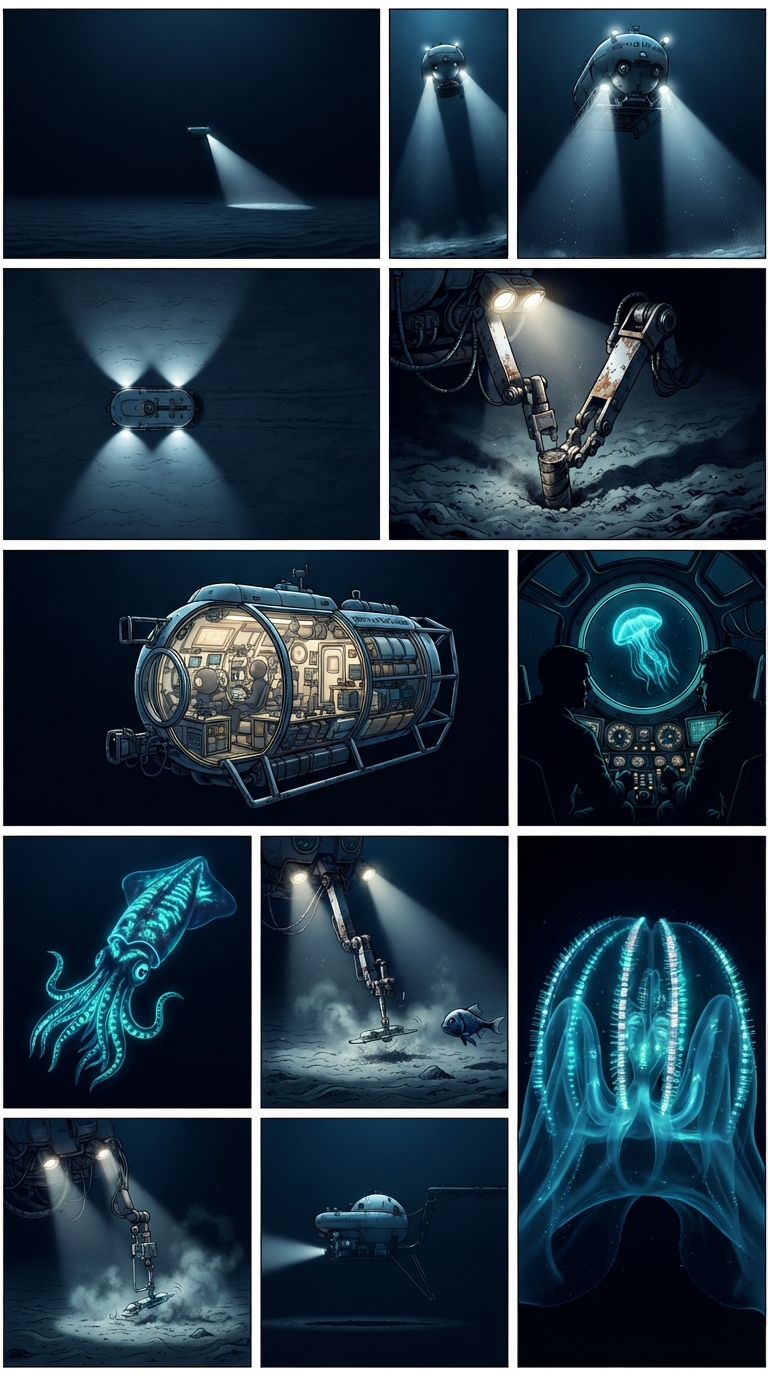
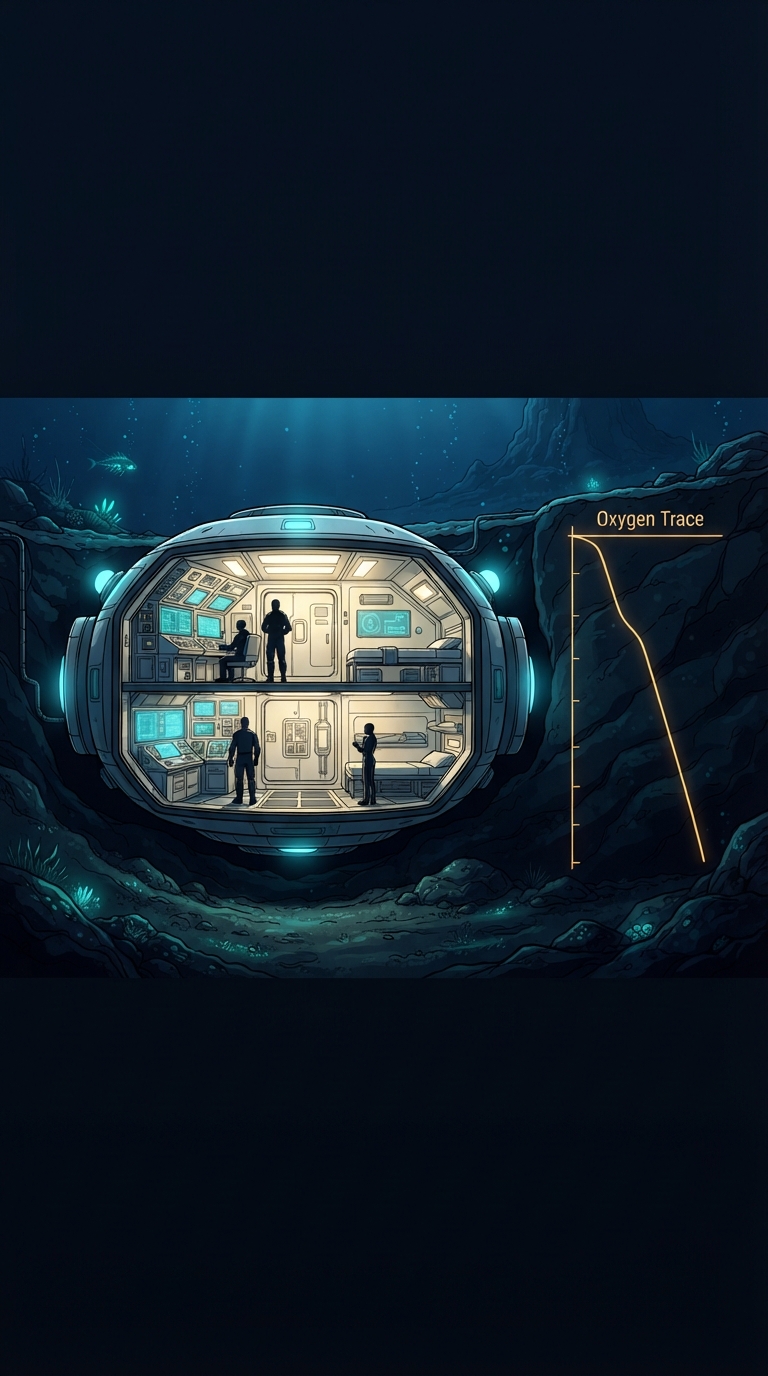
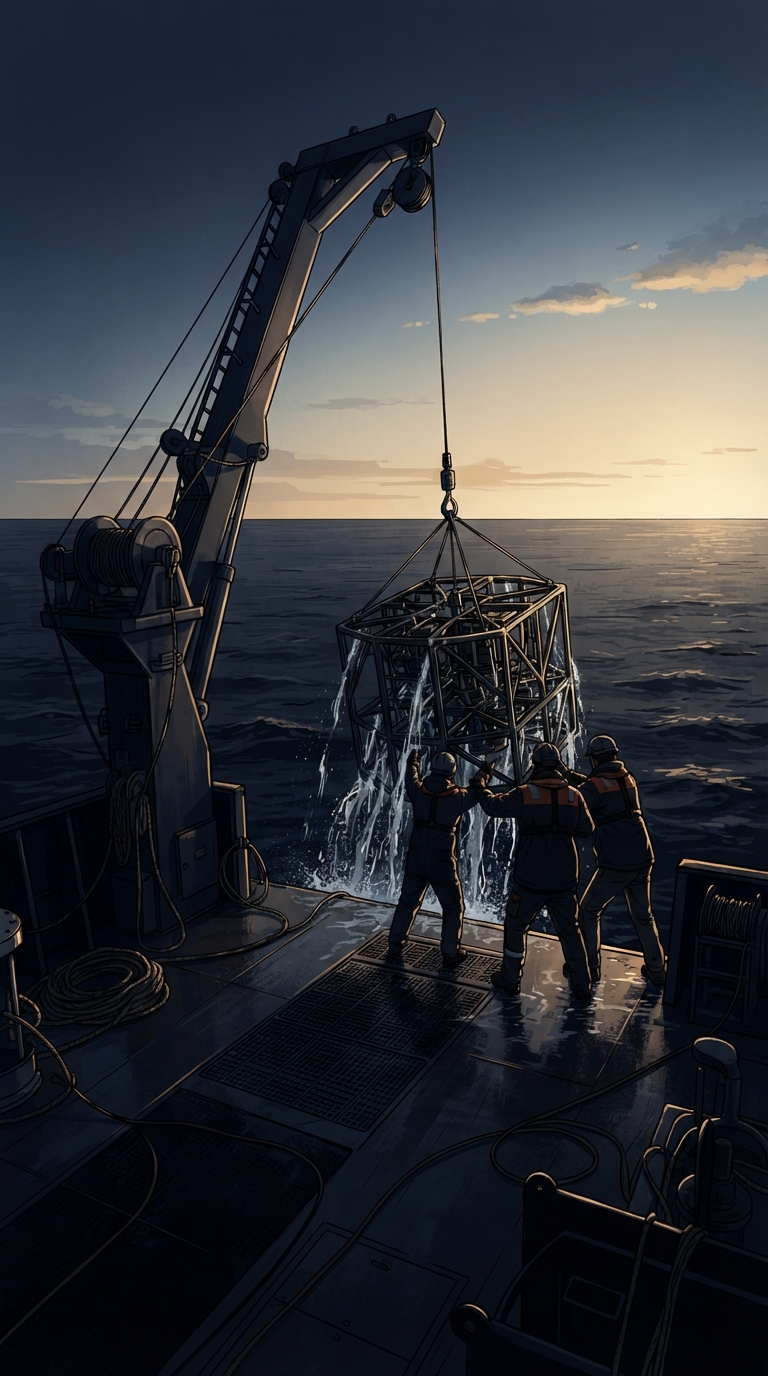
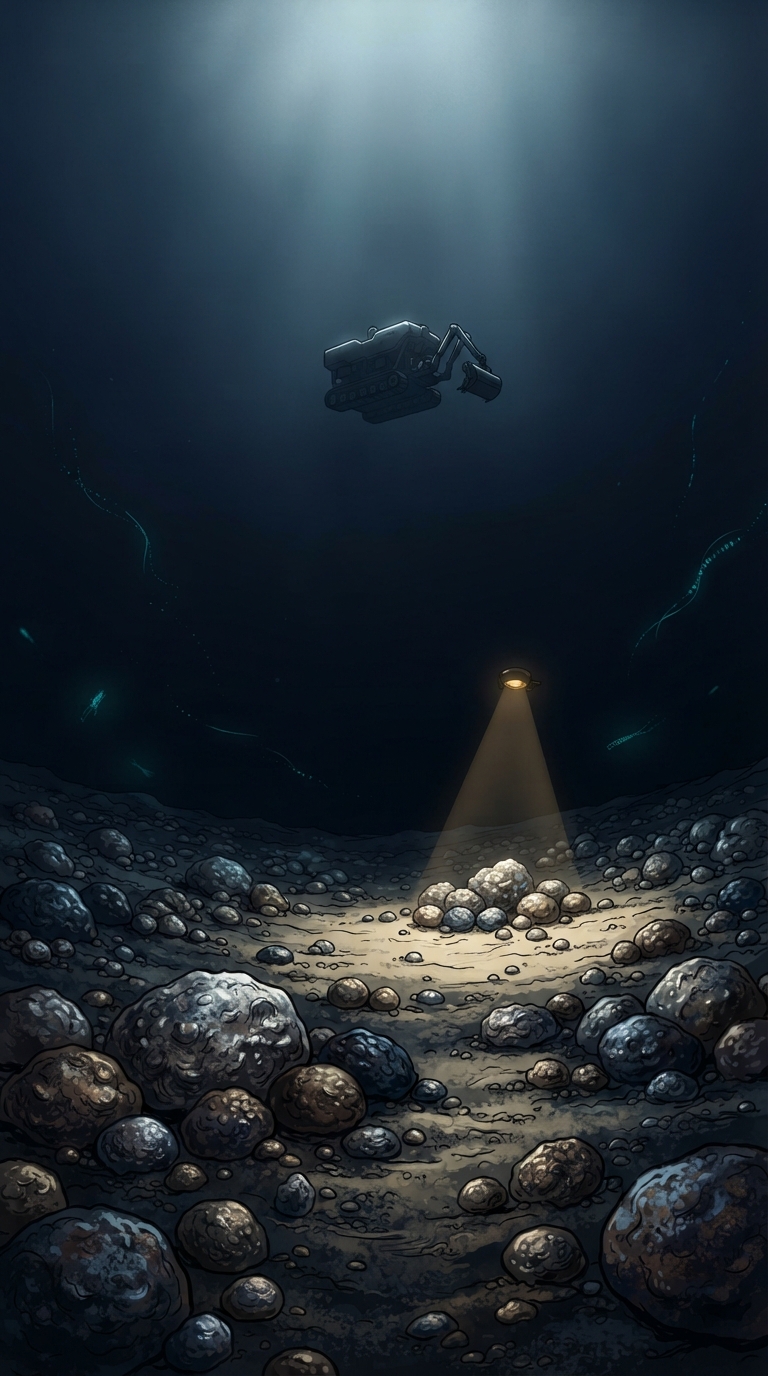
Four thousand metres down, in permanent darkness, a team sealed chambers on the seabed to measure how fast deep-sea life uses up oxygen. You watch the level fall - that is the entire experiment. The level rose instead. Slowly, steadily, in every chamber. They assumed the sensors were broken, recalibrated, switched to a completely different measuring method, and ran it again. It rose again. The leading explanation is that the metal nodules lying across that seabed behave like batteries, splitting seawater into hydrogen and oxygen. Measured, published, and still disputed - and those nodules are exactly what deep-sea mining wants to take.
From the video


More from Still Unexplained

The Sun Gets Hotter as You Move Away From It

Science Finally Caught a Ghost

Nobody Has Reached the Bottom of This Blue Hole

The Patch of Sky Where GPS Quietly Lies

Scientists Still Argue About How Sleep Works
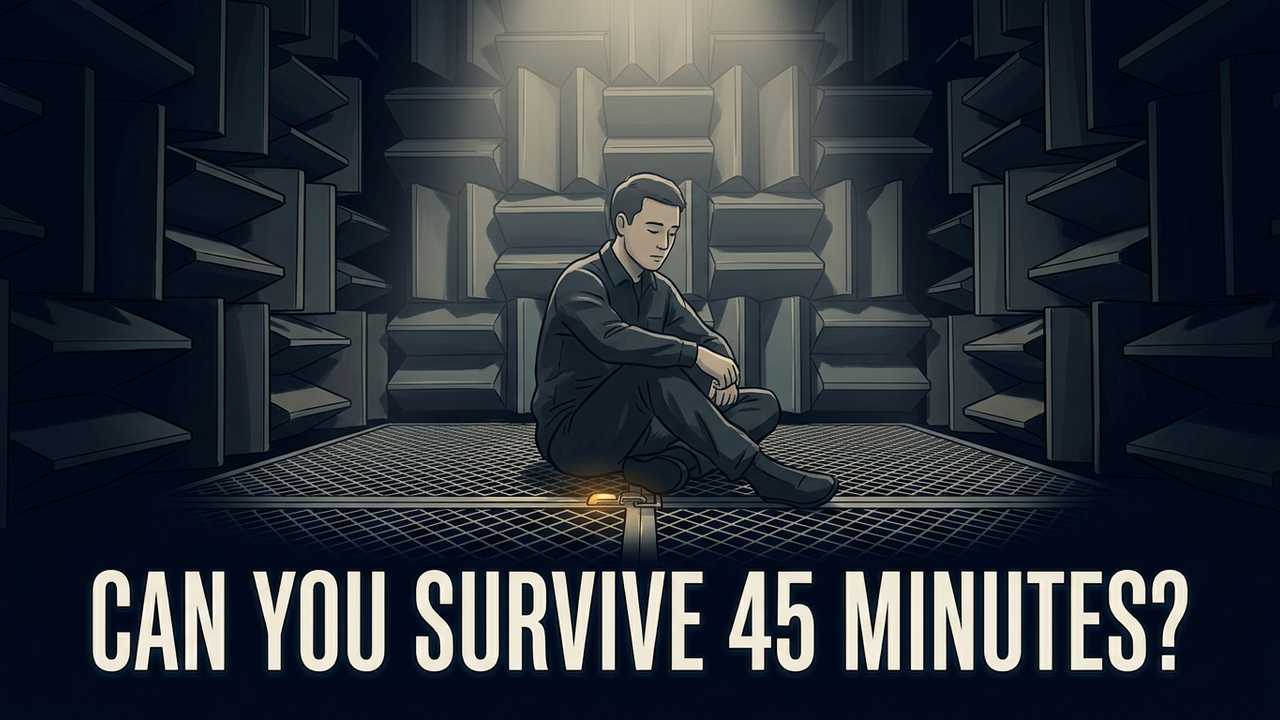
The Quietest Place Humans Have Ever Built

What Happens If You Fall Into a Black Hole