Your Receipt and the CPI Are Both Right — The Gap Is the Story
Food prices have outrun headline inflation since 2020. The gap isn't a flaw in the statistics — it's the difference between what the CPI basket is built to measure and what you actually buy.
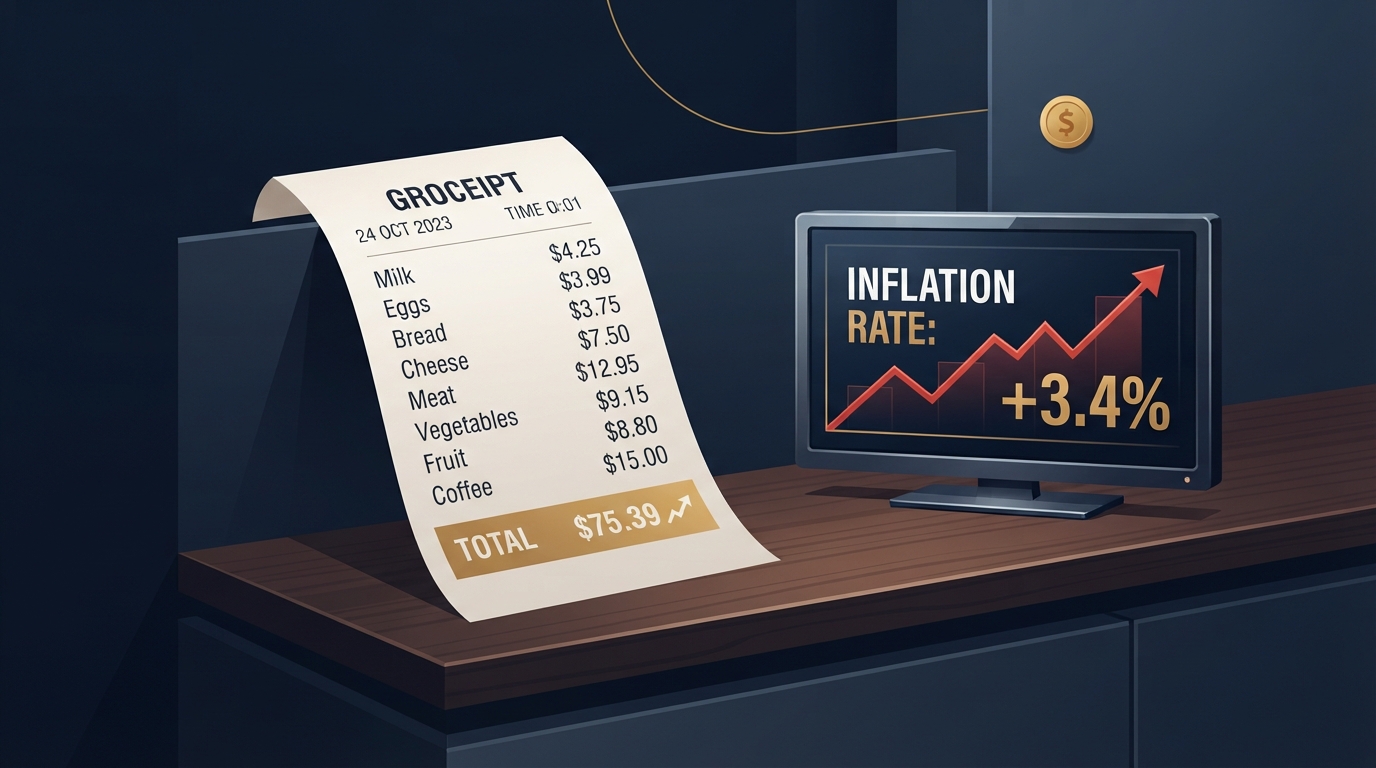
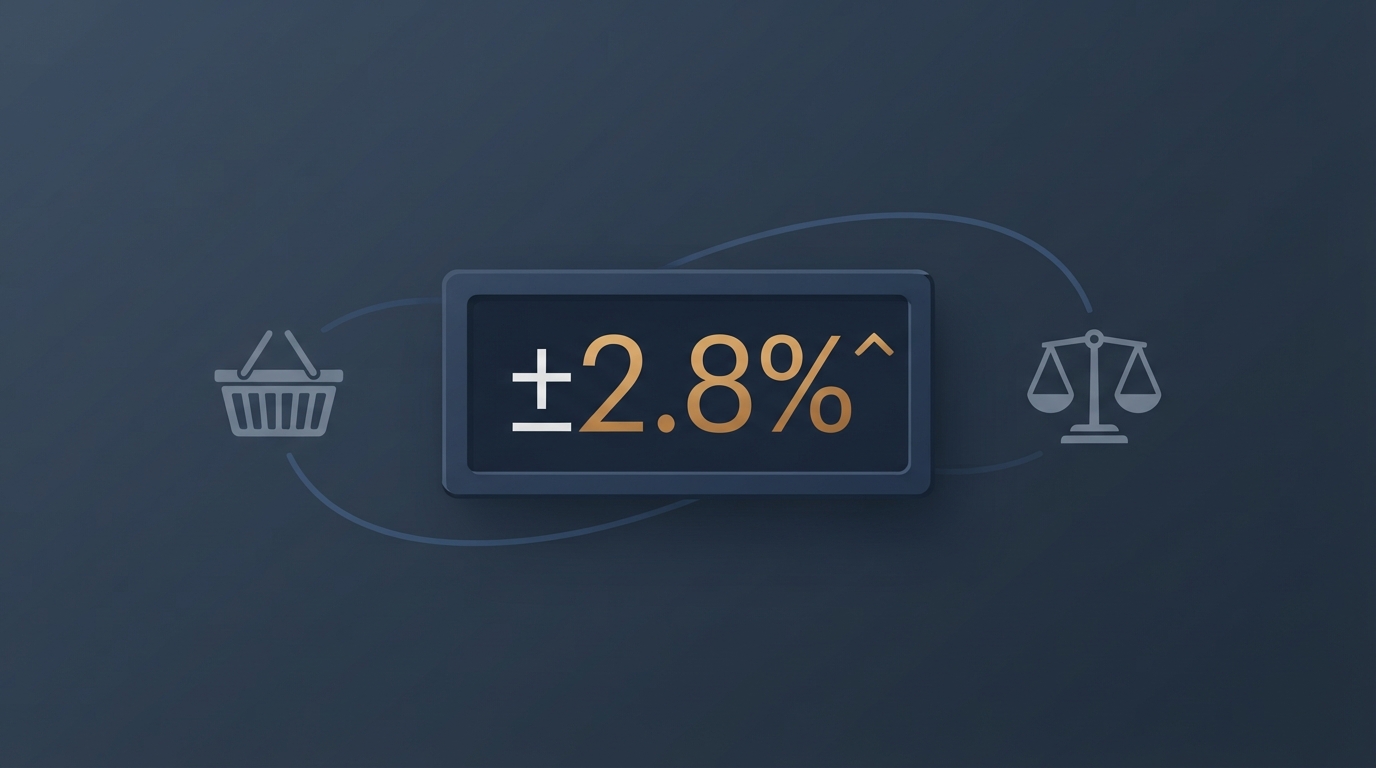
You stand at the checkout watching the total climb, and the receipt says thirty-eight dollars for what cost twenty-five two years ago. The news says inflation is three percent. Both are true. They are measuring two different things.
How the official number is built
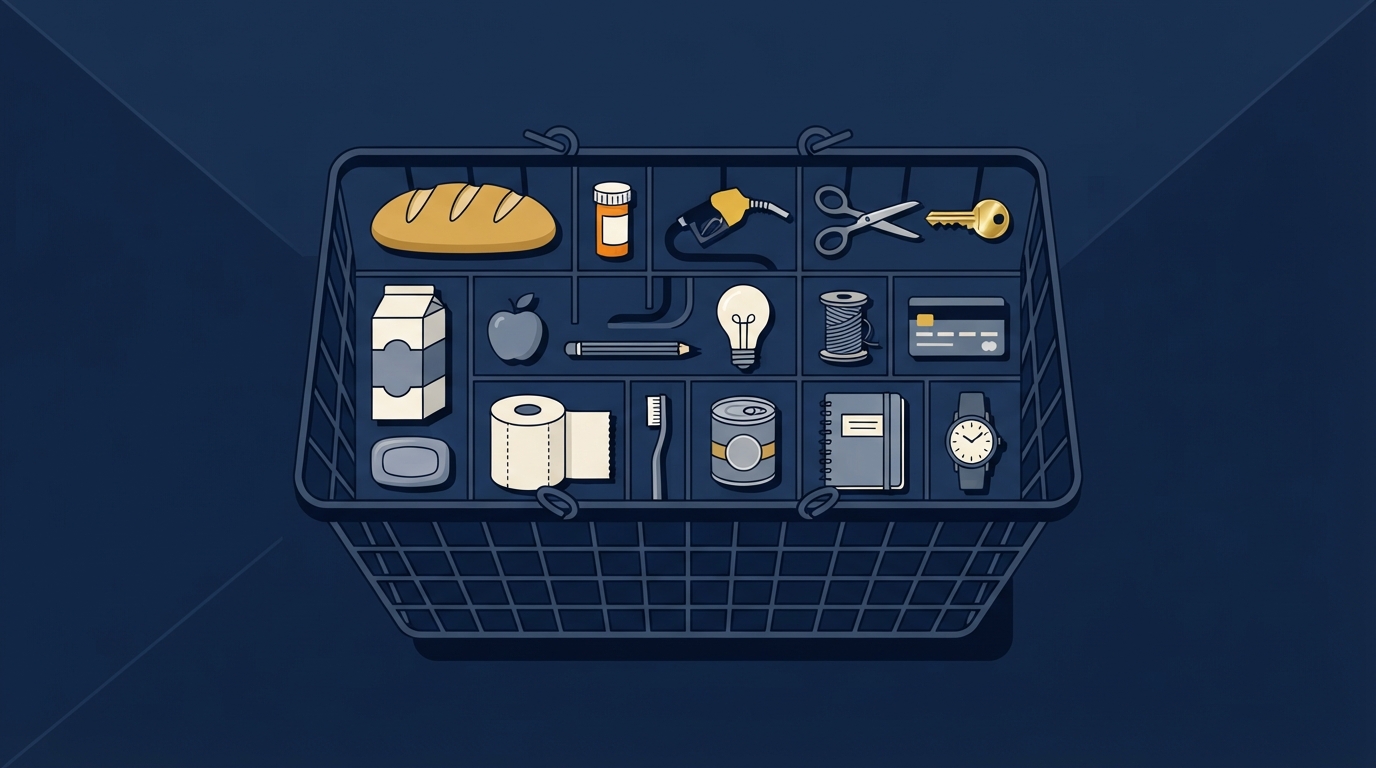
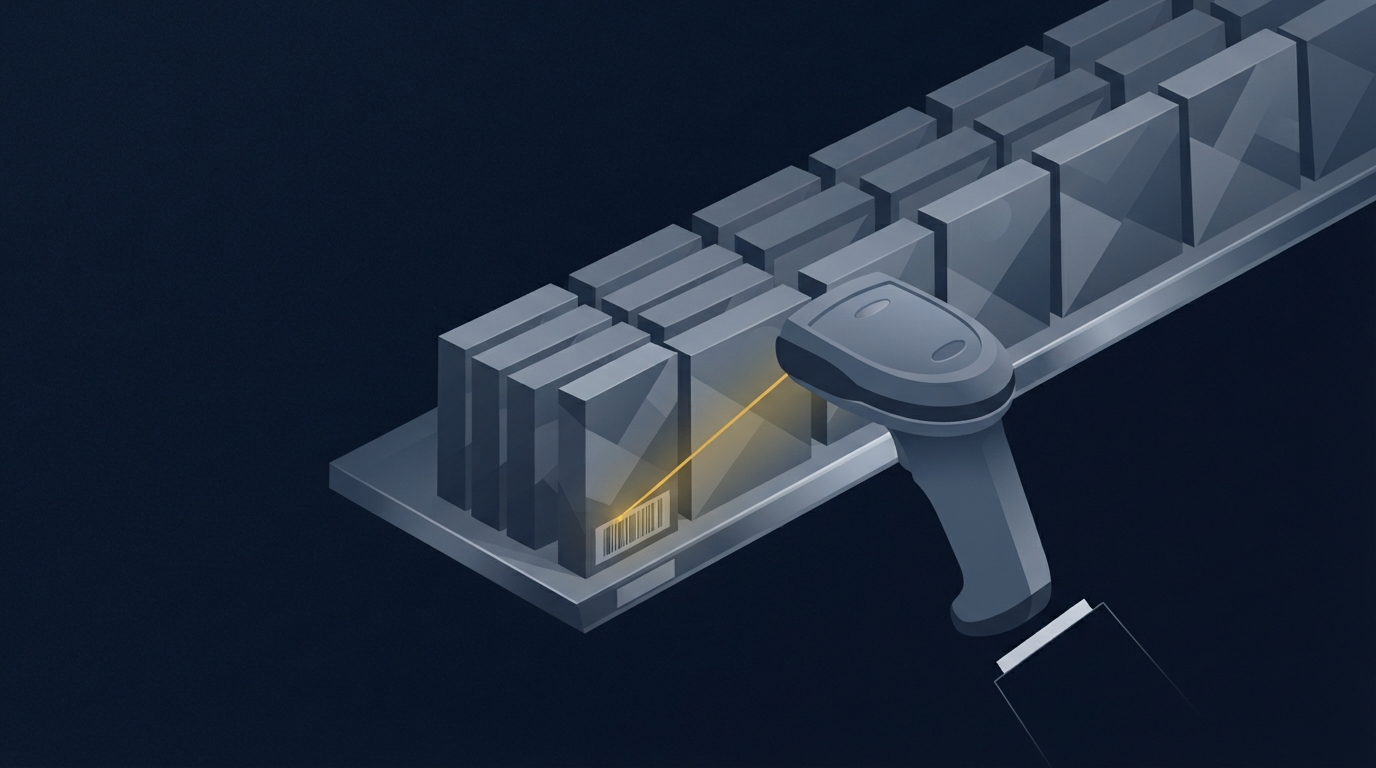
The CPI starts with a basket — about 400 items, surveyed across 80 urban areas, thousands of price checks a month. Bread, rent, gasoline, haircuts, prescription drugs. Field agents record the price of the same white bread in Cleveland, the same unleaded in Phoenix, month after month.
But not every item counts equally.
The substitution assumption
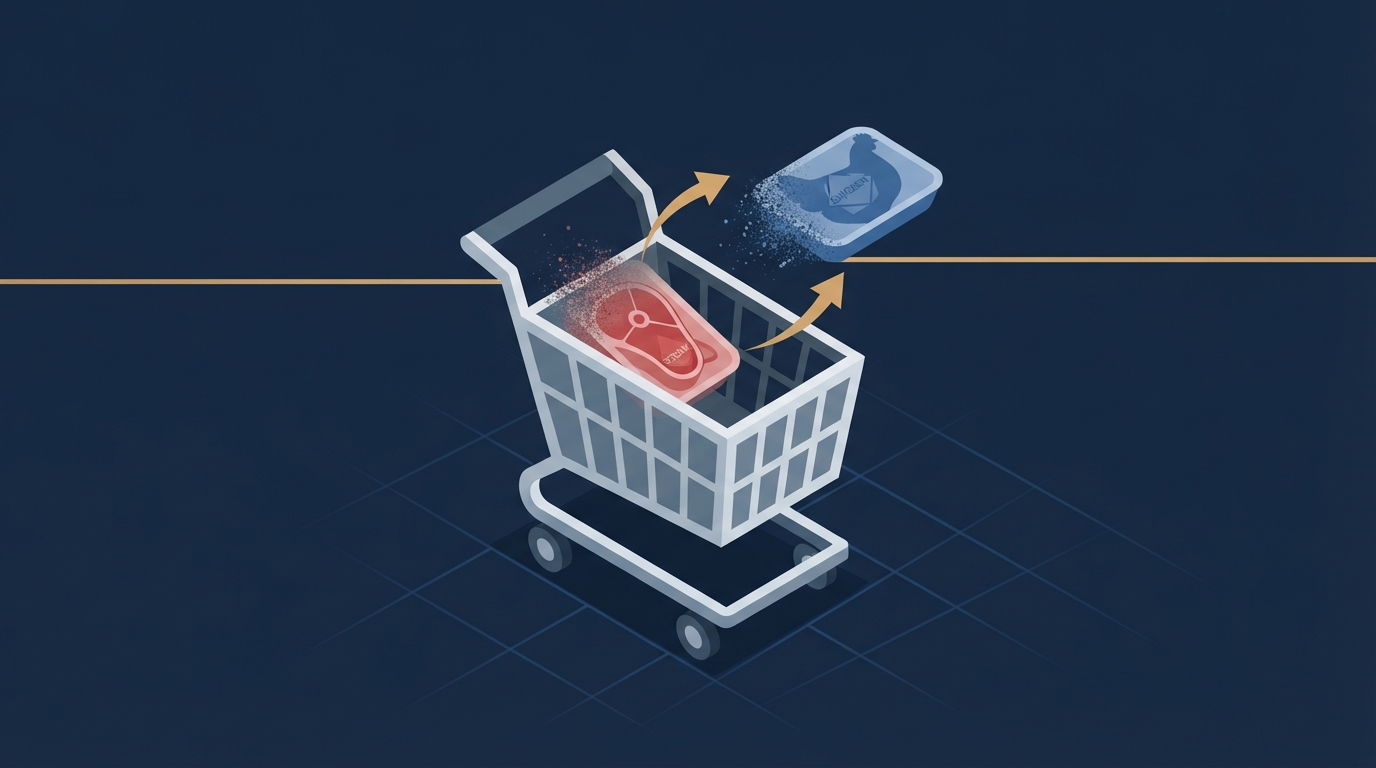
Here is the first catch. CPI assumes you will substitute. When steak spikes, the formula expects you to switch to chicken. Name-brand cereal too expensive? You buy generic. That assumption is reasonable on average — and it quietly lowers the measured rate.
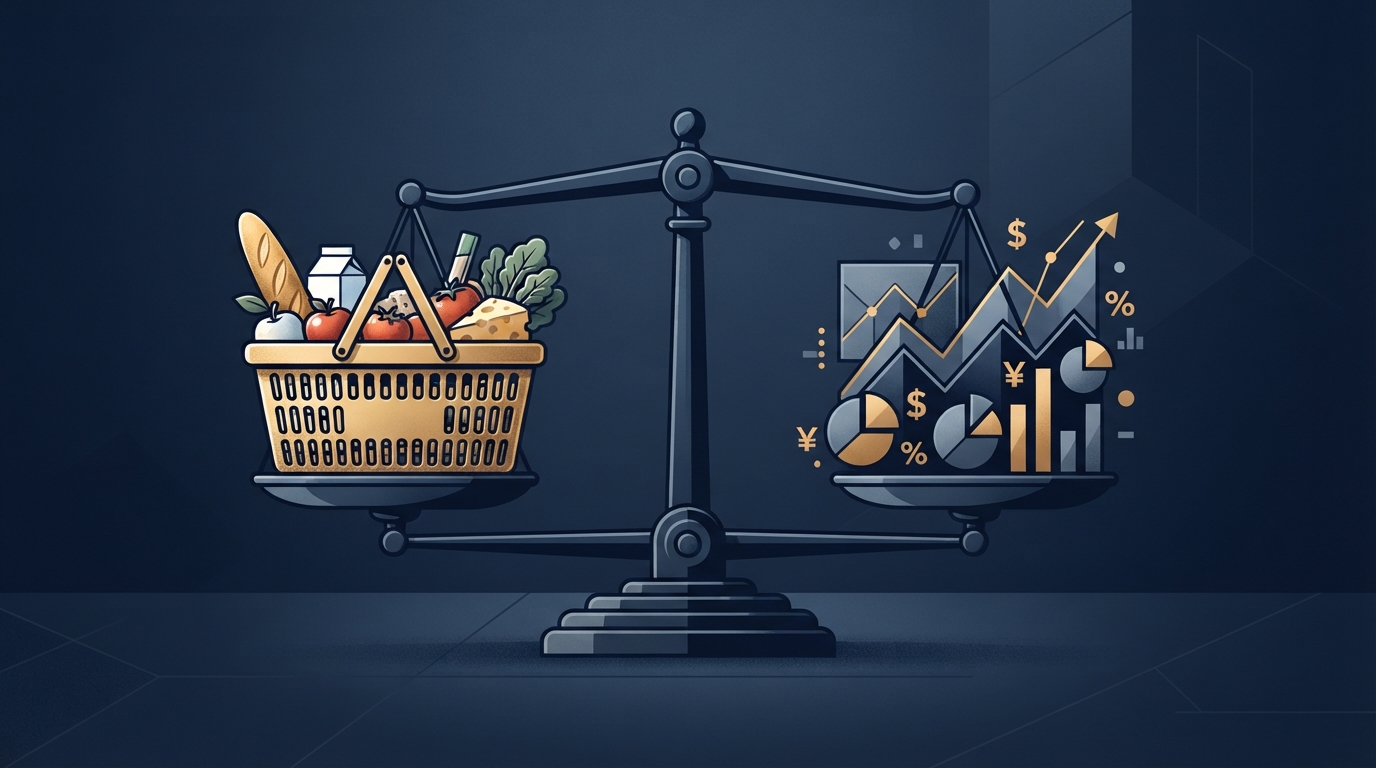
Both are true — but they're measuring two different realities.
Watch at 00:14
Common questions
- Is the CPI deliberately understated?
- No. It measures a defined basket with published methodology. The gap you feel comes from weights and substitution rules, not manipulation.
- Why does food feel like the whole story?
- Because you buy it weekly and see the price every time. Rent changes once a year, so it registers less even though it carries more than double the weight.
- Does everyone experience the same inflation rate?
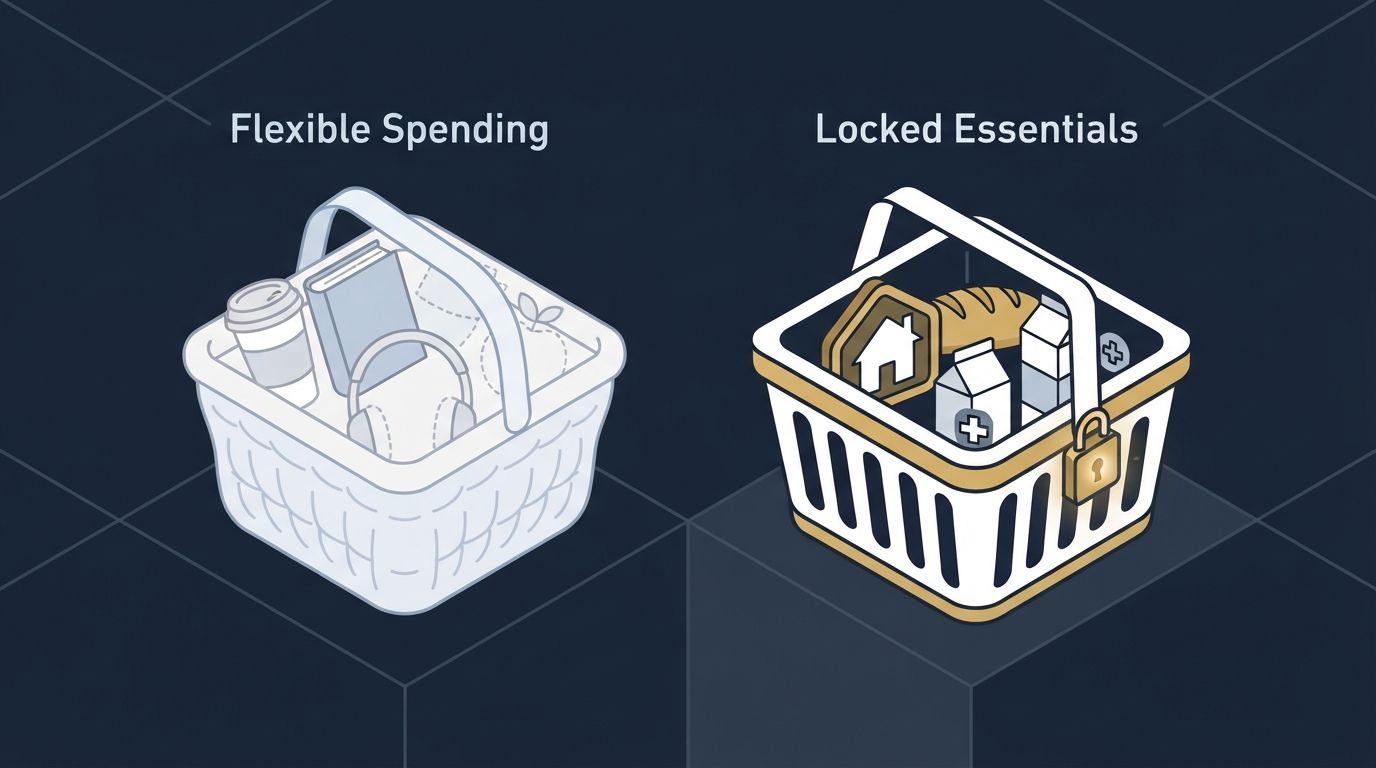
- No. The index reflects average spending. If essentials are a larger share of your budget than average, your lived rate runs higher than the headline.
From the video


More from Macro Plainly
Japan Bought 5 Trillion Yen of Foreign Assets in Two Weeks: Why Now?
Why Mass Layoffs Boost Stock Prices Instantly

Rent as a Recession Warning

The 2020 Negative Oil Freakout

Insurance Exits Erase Home Value

The $250 Tariff Mystery: Why Retail Prices Don't Jump
Why Unemployment Drops But You Still Feel It
