Why Daily HEARTBURN Pills Can Trap You in Rebound Acid
About this video
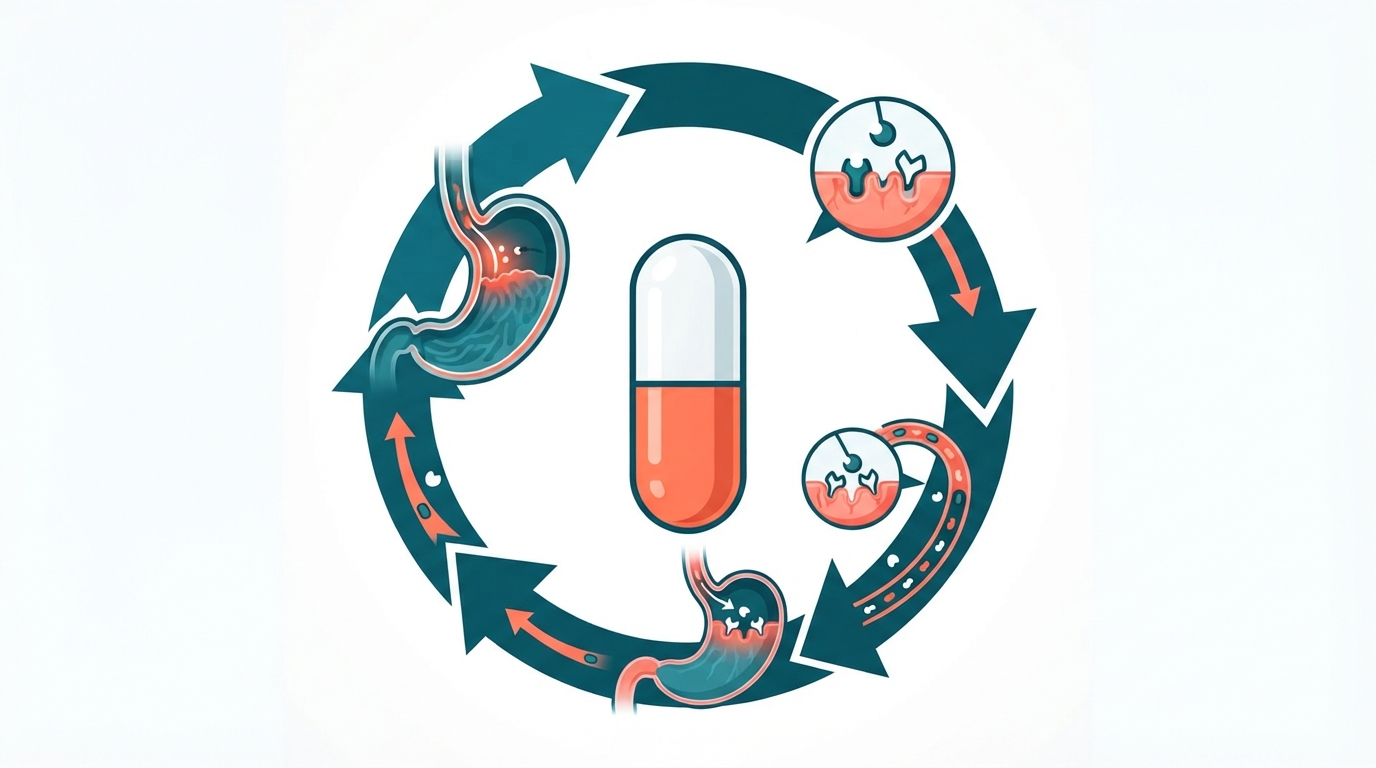
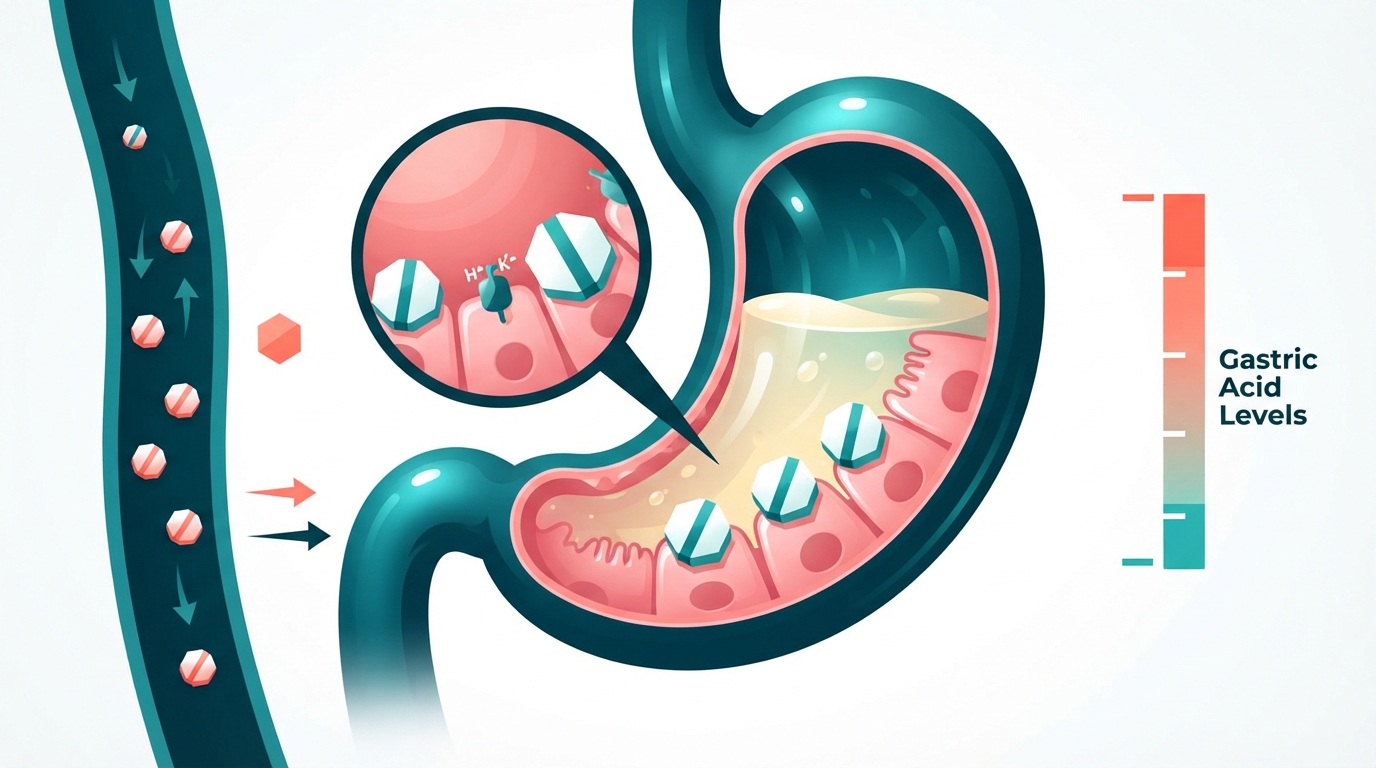
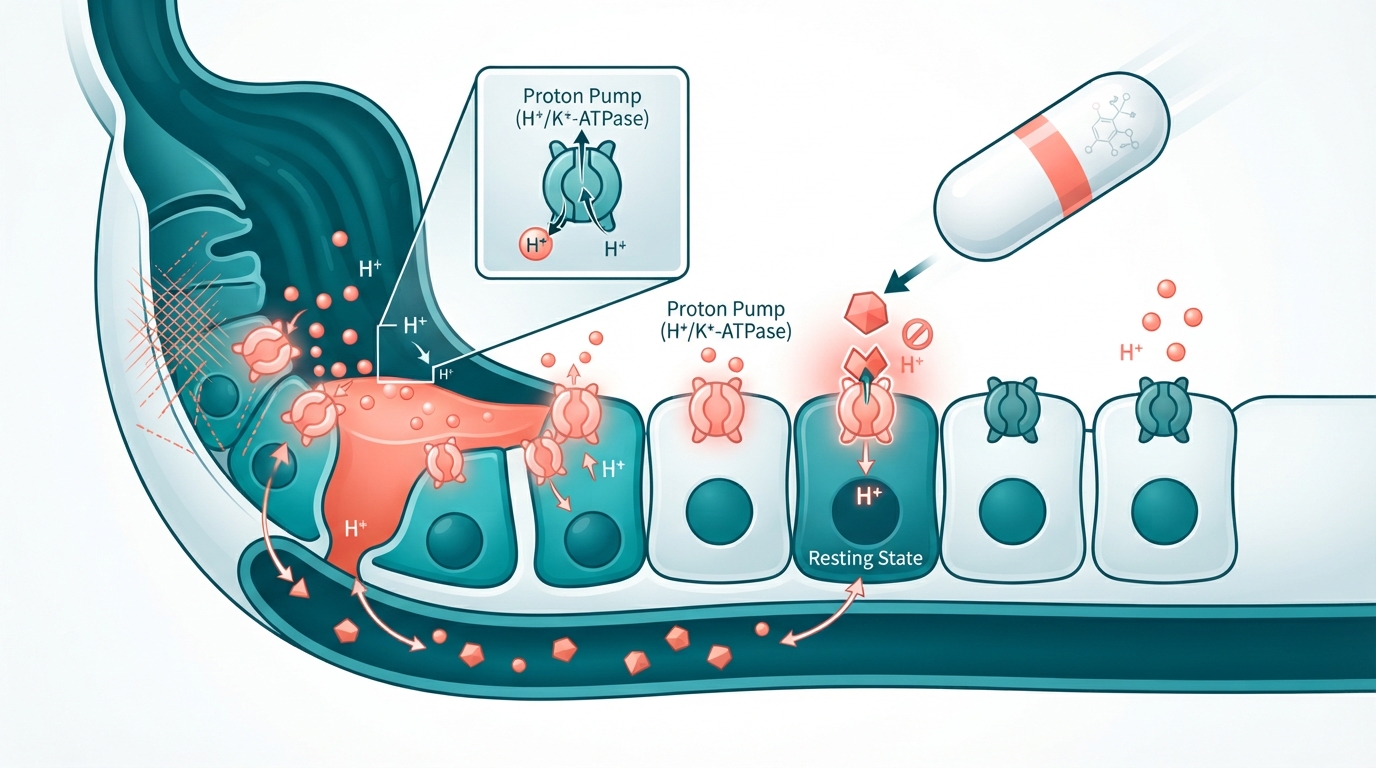
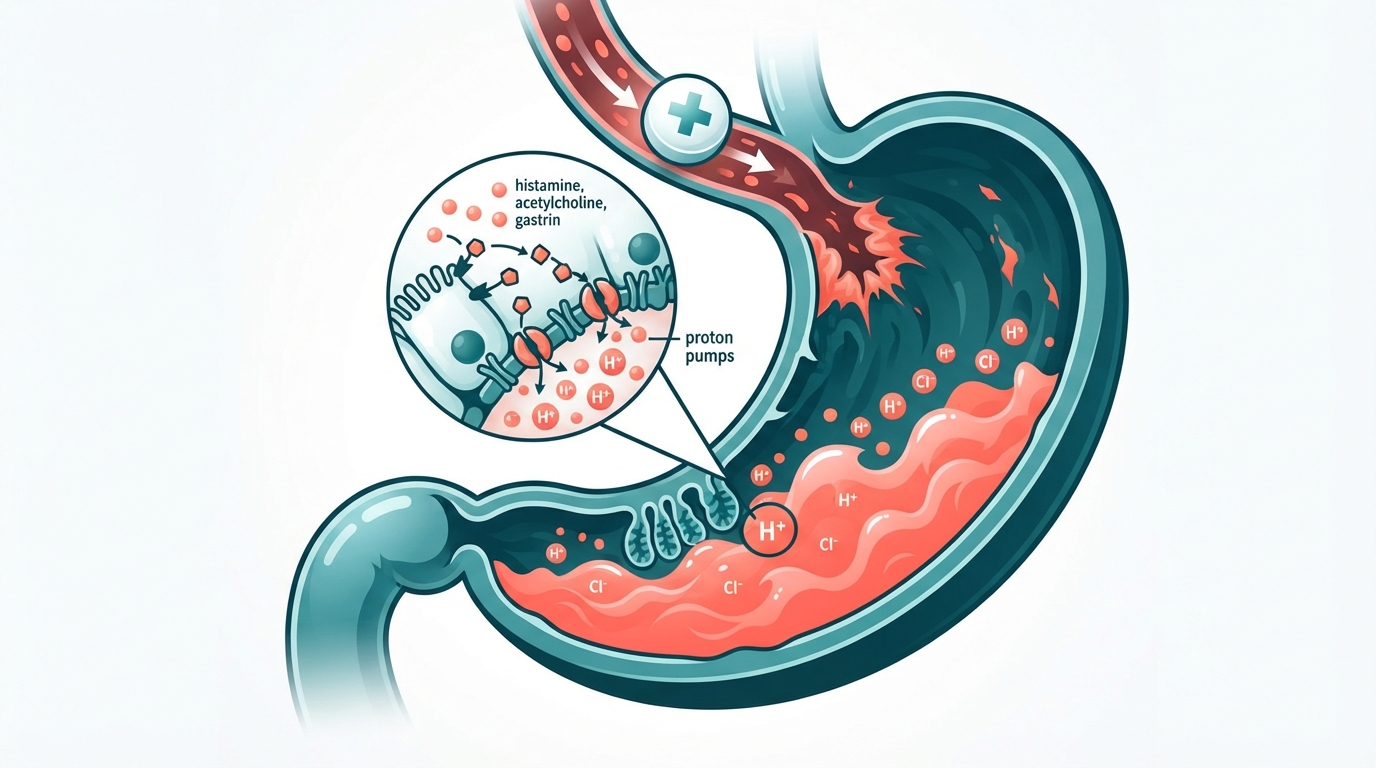
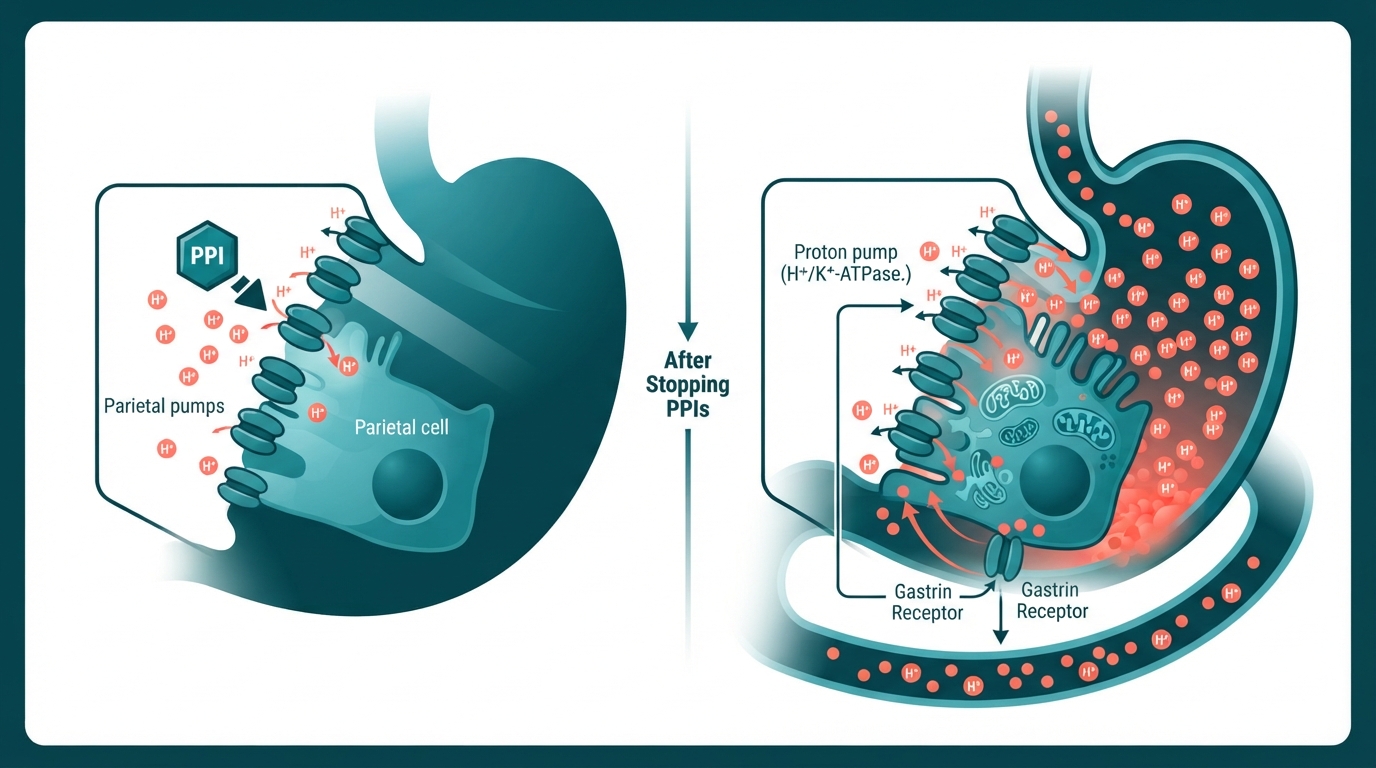
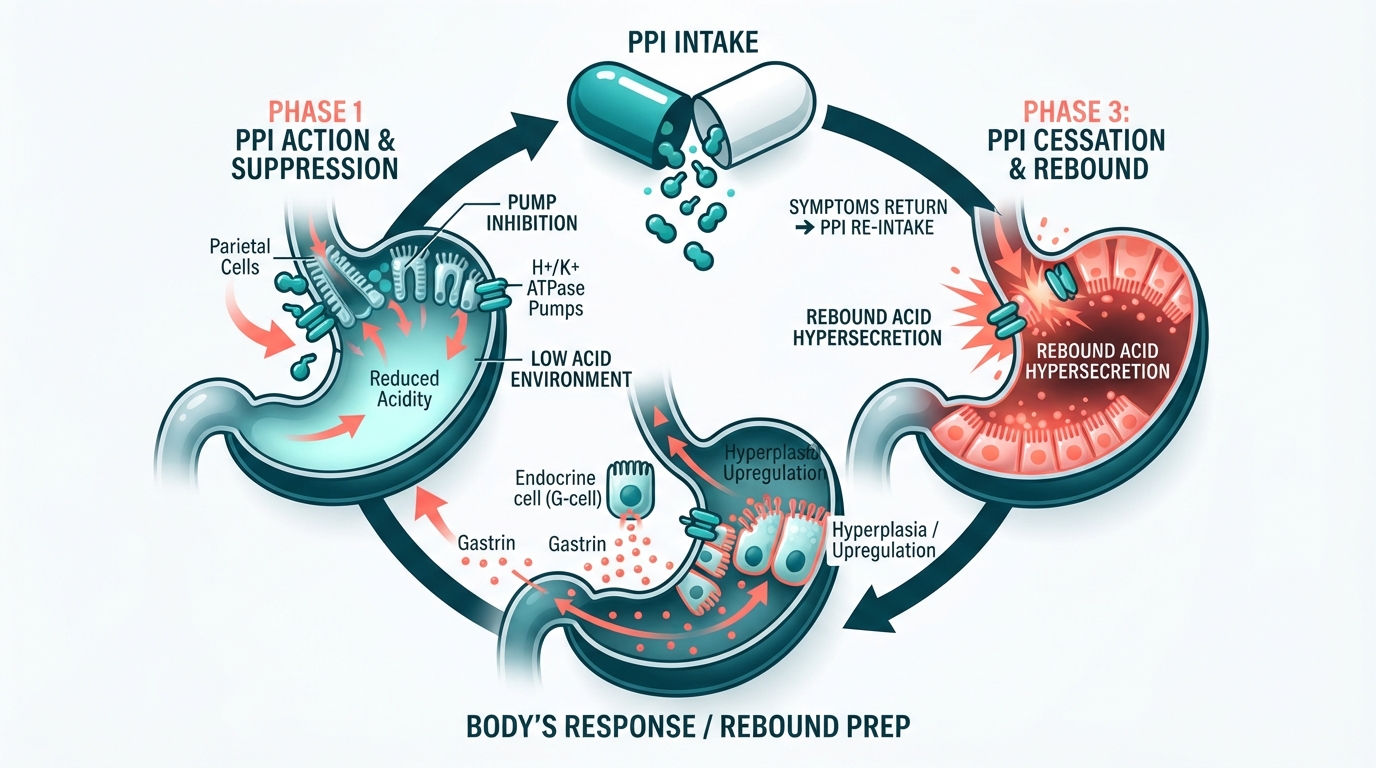
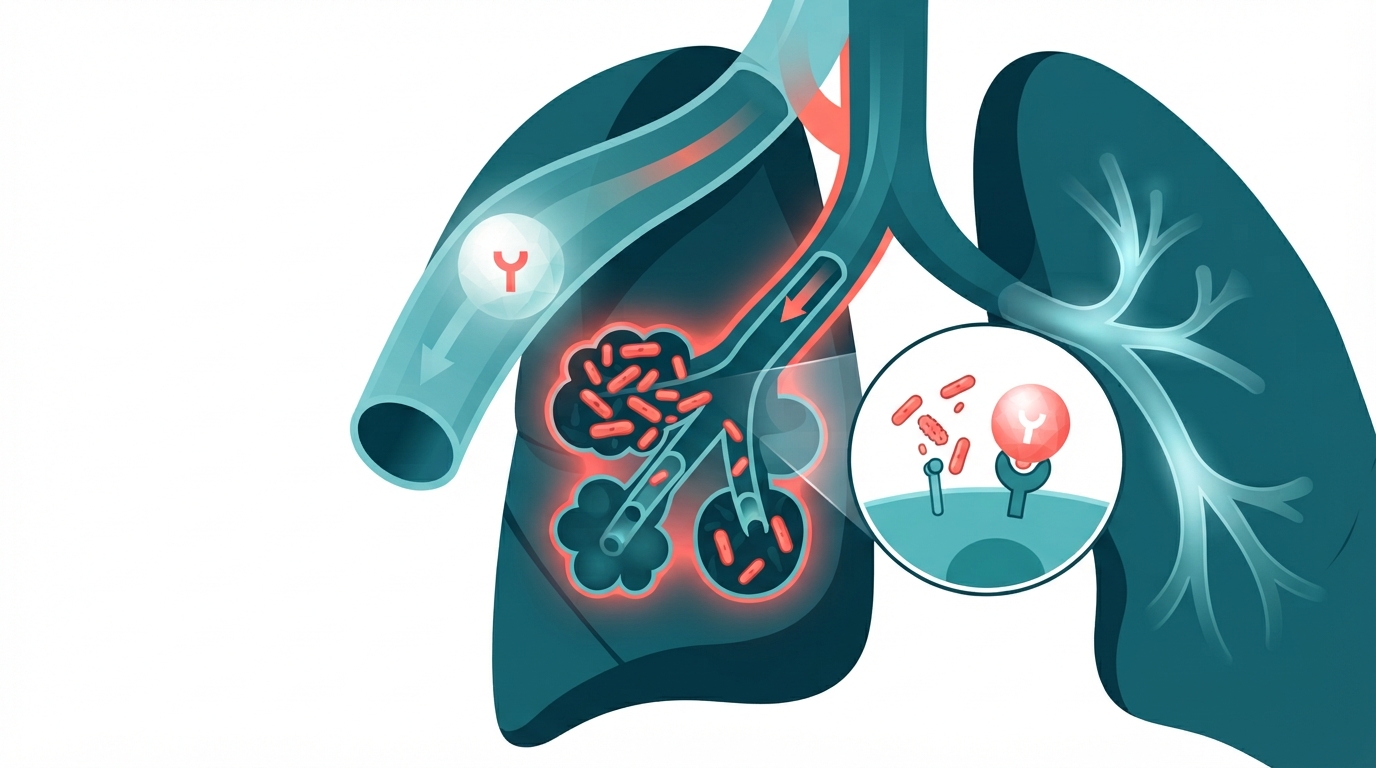
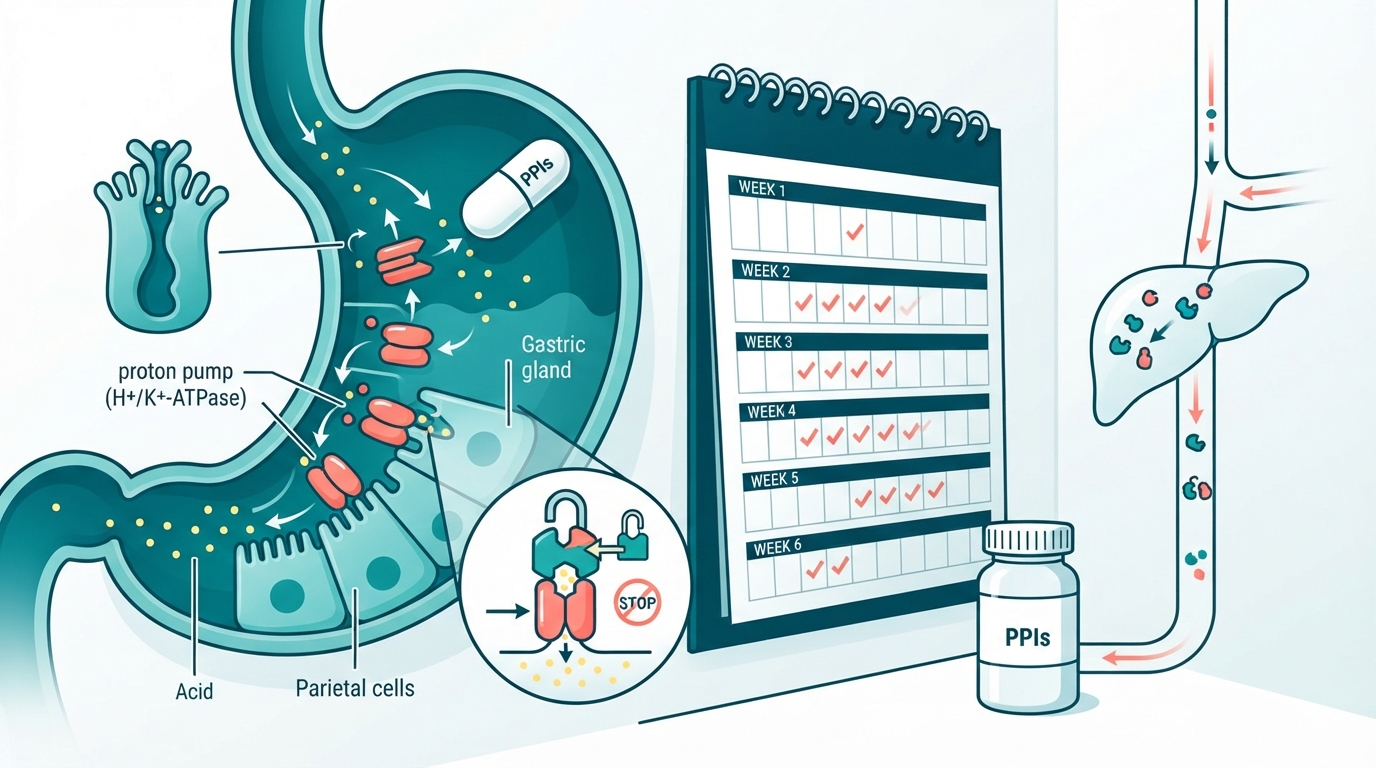
Discover why daily heartburn pills (PPIs) can trap you in rebound acid. This video explains how PPIs work, why stopping them causes hyperacidity, and the long-term risks you should know. Chapters: 00:00 PPI Trap 00:15 Rebound Effect 00:30 How PPIs Work 00:44 Short-term Ulcer Relief 00:58 Acid Production Over Time 01:12 Body Compensates 01:23 Cycle of Dependency 01:36 Hip Fracture Risk 01:52 Altered Gut Flora 02:07 The Over-prescription Twist 02:23 Why Over-prescription? 02:35 Modify Your Diet 02:51 Reduce Stress 03:05 PPIs: Weighing Benefits and Risks 03:21 Potential Risks of PPIs 03:36 Balancing PPI Use 03:51 PPI User's Story 04:07 Balancing Work and Health 04:23 Doctor-Patient Conversations 04:39 Digestive Health 04:55 Healthy Bones 05:11 Alternative Therapies 05:27 Personalized Health Plan 05:43 Magnesium and Vitamin B12 05:59 Colorful Nutrient-Rich Foods 06:15 Mindful Lifestyle Choices Sources & further reading: • Mayo Clinic — https://www.mayoclinic.org • American Journal of Gastroenterology, 2009 — Study on rebound acid hypersecretion • JAMA, 2006 — Study on PPI use and hip fracture risk • Journal of the American Medical Association, 2004 — Study on PPI use and pneumonia risk • FDA, 2011 — Warning on PPIs and magnesium levels • Nature Reviews Gastroenterology & Hepatology, 2015 — Study on PPIs and gut microbiota changes
From the video
More from Dose & Effect
Why Grapefruit Turns One Statin Into Several: CYP3A4, Furanocoumarins, and the 1989 Discovery
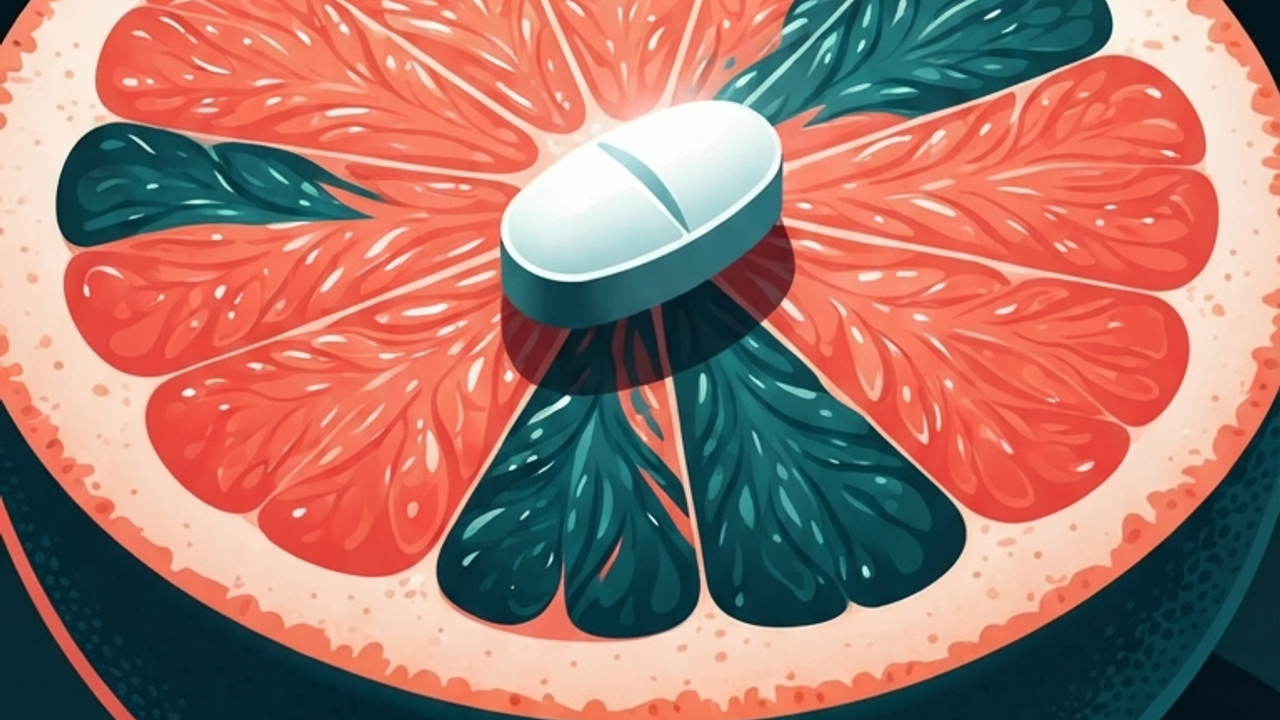
Why Does Grapefruit Turn One Statin Into Several? CYP3A4 & Furanocoumarins
Why OZEMPIC Silences Your Brain's Food Noise
Why Does Grapefruit Turn One Statin Into Several? CYP3A4 and Furanocoumarins Explained

How the Birth Control Pill Fools Your Body Into Thinking You're Pregnant
PPI Rebound Acid Hypersecretion Explained: Why Stopping Omeprazole Causes Heartburn
Why Does GRAPEFRUIT Turn One STATIN Into Several?